
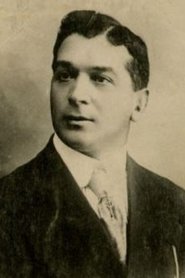
Romeo Bosetti
Actor & Director
- Active
- 1911-1911
Films 2
About Romeo Bosetti
Romeo Bosetti was an Italian-born performer and filmmaker associated with the European silent-comedy tradition of the early 1910s, a period when short comic films depended heavily on physical business, brisk pacing, and instantly readable character types. He is documented as the director of Rosalie and Léontine Go to the Theatre (1911), placing him among the many early cinema craftsmen who helped define the grammar of screen comedy in the years before feature-length narrative became dominant. Available film records suggest that his screen work was concentrated in the silent era and that he was active at least by 1911, though surviving documentation on his broader career is limited. Bosetti appears to have worked within the comic-film world associated with recurring screen personae and theatrical farce, likely in the same production environment that fostered many of the era's short, gag-driven pictures. Because of the scarcity of biographical records, many personal details such as his birth and death information remain uncertain in standard reference sources. Even so, his credit on an early comic title links him to the formative years of international screen comedy and the transitional moment when cinema was moving from novelty to a more structured popular art form. His surviving filmography is small in modern databases, but that very scarcity is typical of many pioneers whose work was produced quickly, circulated widely, and later lost or only partially documented.
More about Romeo Bosetti
Behind the camera
Bosetti's directing, as far as can be inferred from the surviving credit, belongs to the early silent-comedy mode: short-form, visually driven, and centered on escalating situations rather than dialogue. Films of this type typically relied on clear staging, fast visual setup, and carefully timed physical comedy, and Bosetti's credited title suggests work in that tradition. The likely emphasis was on theatrical comic beats translated into screen language, with emphasis on entrances, exits, misunderstandings, and the controlled build of a gag sequence. Because only limited surviving documentation is available, a more specific stylistic profile cannot be stated with confidence.
In film history
Romeo Bosetti's cultural significance lies less in a long surviving filmography than in what his credit represents: the rapidly expanding world of early European comedy, where directors, performers, and specialty filmmakers helped invent the conventions of screen farce. By the early 1910s, comic shorts were among the most internationally popular forms of cinema, and filmmakers like Bosetti contributed to the refinement of visual timing, episodic storytelling, and recurring comic personas. His association with a title built around Léontine and Rosalie places him within the tradition of character-based comedy that was essential to silent-era audience appeal. Although he is not widely remembered by the general public, his work belongs to the foundational layer of cinema history that made later slapstick and situation comedy possible.
Later reputation
Bosetti's legacy is that of an early silent-era director whose surviving credit preserves a trace of the international comedy culture that flourished before feature films became dominant. Even when the films themselves are lost or little seen today, the historical record of names like Bosetti helps scholars reconstruct the collaborative and transnational nature of early filmmaking. His career underscores how many pioneers worked in short-form production and then slipped from popular memory despite having participated in the medium's formative years. For historians of silent comedy, every verifiable credit from this period is valuable evidence of how screen humor developed across Europe and how recurring comic figures were used to build audience familiarity. Bosetti therefore occupies a small but meaningful place in film history as part of the generation that helped define the practical language of early comic cinema.
Influence
Direct influence is difficult to document because surviving records on Bosetti are sparse, but his work belonged to a filmmaking tradition that shaped later comic directors and performers. The visual strategies common to early silent shorts, such as gag escalation, physical business, and brisk scene construction, became central to the slapstick vocabulary later perfected by filmmakers across Europe and the United States. In that sense, Bosetti participated in the same broad creative stream that influenced later comedy craftsmanship, even if specific mentorship links are not known. His enduring influence is therefore historical and structural rather than personal: he is part of the body of early filmmakers whose collective experimentation laid the groundwork for the genre.
Off screen
Very little reliably documented information survives about Romeo Bosetti's personal life in standard film references. His family background, marital history, and private life are not clearly established in the available historical record. This lack of detail is common for early silent-era personnel, especially those whose work was brief, specialized, or attached to short comic films that were not heavily preserved. No well-supported biographical account of spouses, children, or domestic life is readily available from the surviving record used here.
Credits
- Directed the silent comic short Rosalie and Léontine Go to the Theatre (1911)
- Worked in the early European silent-comedy environment of the 1910s
- Contributed to the development of recurring-character film comedy during the formative years of cinema
- Represents an early generation of filmmakers whose work helped establish screen farce and gag-based storytelling
- His credit survives in film-history records despite the general scarcity of documentation on his life
Films
Notes
- Romeo Bosetti is chiefly documented today through a single surviving directing credit in early silent cinema databases.
- His known film work is associated with a 1911 comic short, a very common format in the pre-feature era.
- He is one of many early filmmakers whose careers are difficult to reconstruct because records from the silent period are incomplete.
- The title Rosalie and Léontine Go to the Theatre suggests a comic scenario built around recognizable recurring characters.
- Bosetti's work belongs to the period when European comedy was experimenting with screen-specific gag timing and visual storytelling.
- He is identified in historical records as Italian, connecting him to the international nature of early European cinema.
- Because of limited documentation, he is far better known to film historians than to the general public.
Questions
Who was Romeo Bosetti?
Romeo Bosetti was an Italian silent-era filmmaker best known as a director associated with early comic cinema. The surviving record is limited, but he is credited with directing Rosalie and Léontine Go to the Theatre (1911), placing him among the pioneers of European screen comedy.
What films is Romeo Bosetti best known for?
He is primarily known for Rosalie and Léontine Go to the Theatre (1911), the directing credit most consistently associated with his name. Because his documented filmography is very small in modern databases, this title remains his key surviving work.
When was Romeo Bosetti born and when did he die?
Reliable birth and death dates are not clearly established in the accessible historical record used here. Many early silent-era filmmakers are incompletely documented, and Bosetti appears to be one of those figures whose personal details have not been firmly preserved in standard references.
What awards did Romeo Bosetti win?
No awards or formal honors are documented for Romeo Bosetti in the available record. This is not unusual for early filmmakers from the silent era, when industry awards were either nonexistent or not consistently recorded in the way they are today.
What was Romeo Bosetti's directing style?
His directing style can be inferred as early silent comedy: visual, fast-paced, and centered on physical gags and clear situational humor. Films of this type relied on staging, comic timing, and easily understood action rather than dialogue or complex psychological characterization.
What is Romeo Bosetti's legacy in film history?
Bosetti's legacy is as part of the small group of early filmmakers who helped establish the language of comic cinema in the silent era. Even though his surviving record is brief, his credit contributes to the broader history of how screen comedy developed in Europe.