Rosalie and Léontine Go to the Theatre
Plot
Rosalie and Léontine Go to the Theatre is a brief silent comic sketch built around two familiar popular-cinema comic figures, Rosalie and Léontine, as they make a theater outing into a storm of exaggerated feeling and social embarrassment. The film follows the pair into the auditorium, where the ordinary rituals of a stage performance are transformed by their highly expressive reactions, inappropriate enthusiasm, and general inability to behave with restraint. What begins as a simple night at the theater quickly becomes a comic escalation of melodramatic responses, with the women swept away by the emotions of the play and by their own chaotic behavior in the audience. Like many one-reel-era comic shorts, the humor comes less from plot complexity than from timing, performance, and visual escalation, turning a respectable cultural setting into a playground for satire. The result is a compact farce that plays on the contrast between refined theatrical culture and the unruly antics of the title characters.
Director
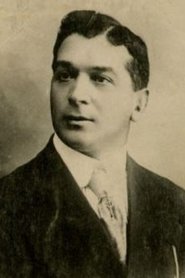
Romeo BosettiCast
About the Production
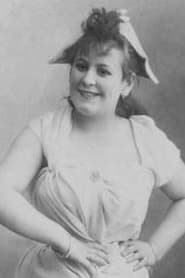
This is a very early French comedy short associated with the Pathé production system and the recurring screen persona Léontine, played by Sarah Duhamel. As with many films from 1911, it was made as a concise one-reel style comic scenario, relying on a strong visual gag premise rather than elaborate sets or narrative complexity. The film belongs to the cycle of Léontine comedies that exploited the popularity of recurring characters and familiar social situations, a major strategy in early cinema for attracting audiences. Detailed surviving production documentation is limited, so precise information about camera setup, crew, or shooting schedule is not generally available in standard references.
Historical Background
The film was produced in 1911, a formative moment for world cinema when the medium was rapidly evolving from short novelty attractions into a more systematic commercial entertainment industry. In France, Pathé Frères was one of the major forces shaping international film distribution, and comedy shorts were among its most dependable products. The era also saw the rise of recurring screen characters, recognizable performers, and situation comedy rooted in ordinary social life, all of which helped cinema become familiar and repeatable for audiences. Theatergoing itself was a socially resonant subject in 1911 because it represented modern urban leisure and respectability, making it a ripe target for gentle parody in a culture already accustomed to class-based social comedy. The film matters historically as part of the lineage of early screen comedy that developed visual character types before longer narrative features became dominant. It also reflects the industrial logic of Pathé's output, where efficient, quickly produced shorts could be distributed widely and sold through recognizable star personas. In this sense, the film is valuable not necessarily as a landmark of technique, but as evidence of how early cinema built audience loyalty and comedic language through repetition, persona, and concise scenario design.
Why This Film Matters
Although not a major canonical title, the film is culturally significant as an example of how early French cinema translated theatrical and social habits into comic screen material. By placing Léontine in the theater, it turns a space associated with refinement and performance into a site of unruly audience behavior, a joke that would have been immediately legible to contemporary viewers. The film also contributes to the history of female comic performance in cinema, since Sarah Duhamel’s work helped define a recurring comic female identity in early French shorts. More broadly, it illustrates the transitional moment when cinema was learning to build popularity through recognizable characters and repeatable comedic situations, laying groundwork for later screen comedy traditions.
Making Of
Rosalie and Léontine Go to the Theatre was made during the period when French companies such as Pathé were producing large numbers of short comic films for broad exhibition markets. The film’s humor almost certainly depended on performance style, with Sarah Duhamel’s established comic persona doing much of the work to establish audience expectations quickly. Romeo Bosetti’s direction would have emphasized clear staging and readable physical actions, which were essential in early silent comedy where narratives had to be understood immediately by mixed audiences. As with many films of this era, detailed behind-the-scenes records such as shooting reports, cast call sheets, or on-set anecdotes are scarce, so the most reliable reconstruction comes from the film’s place within the broader Pathé comic production environment.
Visual Style
The cinematography would have been characteristic of early 1911 silent shorts: a mostly fixed camera, clearly arranged tableau staging, and emphasis on readable action in a confined space. Because the comedy depends on audience interaction with a theater setting, the visual design would have needed to keep the performers legible while allowing the background of the auditorium or stage event to remain comprehensible. Early French comic films often relied on frontal compositions and carefully timed movement across the frame, and this film likely follows that tradition. The style would have prioritized clarity over camera movement, ensuring that the physical reactions of Rosalie and Léontine remained the center of attention.
Innovations
The film does not appear to be associated with major technical innovations. Its significance lies instead in the refinement of early comic storytelling, especially the use of a recurring character, a simple social premise, and clean visual staging to deliver immediate humor. In that sense, it demonstrates the early cinema technique of compressing recognizable social behavior into a short, efficient screen performance. The film is also representative of Pathé's industrial-era ability to produce marketable entertainment quickly and consistently across a large distribution network.
Music
As a silent film, there is no original synchronized soundtrack. Like most films of the period, it would have been accompanied in exhibition by live music selected by local theaters, often a pianist or small ensemble improvising or drawing from popular repertory. No documented original score is generally associated with the film in standard reference materials. Modern presentations, if available, may use newly commissioned accompaniment or archive-generated music depending on the source print and restoration context.
Memorable Scenes
- Rosalie and Léontine entering the theater and immediately becoming conspicuous through their overblown reactions.
- The escalating audience-side comedy as the women become emotionally swept up in the performance.
- The contrast between the respectable theater environment and the characters' exaggerated, disruptive behavior.
Did You Know?
- The film is part of the early French comic tradition centered on recurring stock characters rather than isolated one-off stories.
- Sarah Duhamel was a notable comic performer of the silent era and was closely identified with the character Léontine in a number of shorts.
- The title suggests a satire of bourgeois theatergoing, a common comic subject in early cinema because it allowed filmmakers to parody fashionable behavior in a recognizable social setting.
- Romeo Bosetti was active as both a filmmaker and comic performer in early French cinema, and his work often emphasized broad physical humor and situation-based farce.
- The film is silent, so the comedy depended entirely on gestures, facial expression, and intertitles if used, rather than spoken dialogue.
- Because it is a 1911 short, it was likely exhibited as part of a mixed program rather than as a standalone feature.
- Léontine was a popular comic screen figure in French cinema, making this film part of a larger character-driven series culture that prefigured later film serial branding.
- The film's survival and access history is limited compared with later studio-era works, which is typical for many early Pathé shorts.
- Its premise reflects the early cinema fascination with everyday spaces, especially public leisure spaces such as theaters, cafés, and streets, as settings for visual comedy.
What Critics Said
Contemporary reviews specific to this short are not widely documented in readily available modern reference sources, which is typical for many early silent comedies. At the time, films of this type were generally consumed as part of a steady stream of popular entertainment rather than treated as prestige cultural objects, so detailed critical discourse was often limited. Modern scholars and archivists tend to regard such films as important evidence of early comic form, star persona, and industrial production practices rather than as major artistic milestones. Where discussed today, the film is usually appreciated for its place in the Léontine cycle and for what it reveals about early French humor and performance conventions.
What Audiences Thought
Audience response is not specifically documented in surviving standard sources, but the existence of recurring Léontine films strongly suggests that the character had proven popular enough to sustain a series. Early audiences often responded enthusiastically to expressive physical comedy, familiar social satire, and repeated comic types they could recognize immediately. A premise involving exaggerated theater behavior would likely have appealed to viewers because it mocked pretension while remaining broadly accessible. The film likely functioned as a crowd-pleasing interlude within a varied program of shorts, newsreels, and other attractions.
Film Connections
Influenced By
- French stage farce and vaudeville traditions
- Early Pathé comic shorts
- Recurring character comedy in pre-World War I cinema
This Film Influenced
- Later recurring-character silent comedies
- Audience-satire comedies set in theaters and cinemas
- French situation comedies featuring comic female leads
You Might Also Like
More Comedy Films
View allFilm Restoration
The film is an early silent short whose surviving availability is limited and may depend on archive holdings or curated online film heritage sources. It is not widely circulated as a mainstream home-video title, but it is documented in film databases and archival references. Specific restoration status is not prominently documented in general reference sources, so its preservation should be considered partial or archive-dependent rather than broadly commercially available.