
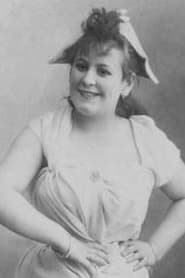
Sarah Duhamel
Actor
- Active
- 1911-1911
Films 1
About Sarah Duhamel
Sarah Duhamel was a French silent-film performer best remembered for her comic appearances in early French cinema, especially in the popular Léontine series. She was active during the formative years of screen comedy, when short films and recurring characters helped define audience expectations for motion-picture entertainment. Duhamel is credited in surviving film records for Rosalie and Léontine Go to the Theatre (1911), a title that places her squarely in the world of early screen farce and domestic comedy. Because film documentation from this era is often incomplete, many details of her personal life and full career remain obscure, but her screen persona clearly belonged to the tradition of lively, expressive performers who translated stage-inspired humor into silent visual storytelling. Her work is associated with the French pre-war period of filmmaking, when short comedies circulated widely and helped establish recognizable archetypes for female comic characters. She appears to have been one of the many early silent-era actors whose contributions were important to the medium’s development even though later fame did not preserve extensive biographical records. Her name endures primarily through film histories and surviving catalog entries rather than a large extant body of work.
More about Sarah Duhamel
On screen
Sarah Duhamel’s acting style is best understood in the context of early silent comic performance: highly physical, visually legible, and built around gesture, reaction, and character type rather than spoken dialogue. In films like the Léontine comedies, performers had to communicate class, temperament, embarrassment, and mischief quickly and with precision, often through broad but controlled movement. Her work likely relied on expressive facial reactions and brisk comic timing, qualities essential to silent-era farce. Because few details and perhaps only limited footage survive, her style cannot be described in the same granular way as later stars, but she clearly belonged to the school of early cinematic comedians who translated everyday situations into readable screen humor.
In film history
Sarah Duhamel’s cultural impact lies less in modern name recognition and more in her participation in one of the foundational currents of silent comedy: recurring female comic characters in short-form films. The Léontine films were part of the pre-war European comic tradition that helped establish the appeal of serialized character humor, a format that later flourished in many national cinemas. Performers like Duhamel contributed to a cinematic vocabulary in which women could be central agents of mischief, confusion, and social satire rather than mere supporting figures. Her work also reflects the international importance of French film comedy in the years before Hollywood became dominant. Even though she is not widely known today, she remains historically significant as part of the generation that gave silent cinema its early comic rhythms and archetypes.
Later reputation
Her legacy is preserved chiefly in film history references, catalog records, and the study of early French screen comedy. Sarah Duhamel is emblematic of the many silent-era actors whose influence was substantial at the time but whose careers were only partially documented by later standards. For historians, she matters because she belongs to the lineage of performers who helped shape the short comedic film as an art form and establish the recurring-character model used across early cinema. Her name also serves as a reminder of how much silent-film history remains dependent on fragmentary evidence, surviving titles, and production records. In that sense, her legacy is both artistic and archival: she represents the creative energy of early French film and the fragility of its historical memory.
Influence
Duhamel’s influence is best understood indirectly through the broader comic tradition she helped embody. Performers in the Léontine cycle contributed to a mode of visual comedy that influenced later screen clowns, character comedians, and serialized film personas in Europe and beyond. Her work demonstrates how female comic leads could anchor short narrative films through personality and physical expressiveness. While no direct mentorship line is documented, her screen presence belongs to the early model that influenced how silent comedy would use gesture, type, and recurring characterization. The surviving record suggests importance by example rather than by celebrity: she helped define what early screen comedy could look like.
Off screen
No reliable biographical record has been found that clearly identifies Sarah Duhamel’s family background, marriages, children, or private life. Like many performers from the first decade of French cinema, she is documented more through surviving film credits than through personal archives or later retrospective interviews. Her public identity is therefore primarily that of an early screen comedian rather than a well-documented celebrity figure. Any attempt to reconstruct her private life beyond the existing filmographic record would be speculative.
Credits
- Appeared in Rosalie and Léontine Go to the Theatre (1911), one of the surviving credited references to her work
- Associated with the Léontine comic-film cycle, a notable early French silent comedy tradition
- Worked during the crucial formative period of European screen comedy before the First World War
- Contributed to the development of recurring-character humor in short silent films
- Represents the many early cinema performers whose work helped shape audience taste despite limited surviving documentation
Roles
- Léontine in the Léontine comic series
Films
Collaborators
- The creators and performers associated with the Léontine series
- Early French silent-film comedy ensembles
Notes
- She is closely associated with the Léontine comic film series, one of the early recognizable recurring-character formats in French cinema.
- Her documented filmography is extremely small in surviving records, which is common for performers from the first years of silent cinema.
- Rosalie and Léontine Go to the Theatre (1911) places her in the tradition of theatrical satire and domestic comedy.
- She is an example of a silent-era performer whose historical significance exceeds the amount of surviving biographical information.
- Her career falls entirely within the pre-World War I era, when short films dominated exhibition practices.
- Because many early film records are incomplete, some details of her life may have been lost to time rather than unrecorded.
- She represents the important role women played in early comic filmmaking, even when later histories favored more famous names.
- Her name is preserved in film databases largely through archival cataloging and historical research rather than through extensive modern publicity.
Questions
Who was Sarah Duhamel?
Sarah Duhamel was a French silent-film actor active in the early 1910s. She is best remembered for appearing in comic films connected to the Léontine series, including Rosalie and Léontine Go to the Theatre (1911).
What films is Sarah Duhamel best known for?
She is primarily known for Rosalie and Léontine Go to the Theatre (1911) and for her association with the Léontine comic-film cycle. Surviving records suggest her career was brief or at least only sparsely documented.
When was Sarah Duhamel born and when did she die?
Her birth date and death date are not currently confirmed in readily available historical records. She is documented mainly through her early film work rather than through detailed biographical sources.
What awards did Sarah Duhamel win?
No awards or formal honors are currently documented for Sarah Duhamel in the surviving historical record. This is not unusual for silent-era performers from the earliest years of cinema, when awards culture had not yet developed in the modern sense.
What was Sarah Duhamel's acting style?
Her acting style would have been characteristic of early silent comedy: physical, expressive, and centered on visual storytelling. Performers in this period used gesture, facial expression, and timing to communicate humor clearly without dialogue.
What is Sarah Duhamel's legacy in film history?
Her legacy lies in her contribution to the development of early French screen comedy and recurring-character films. She is remembered as part of the generation of silent-era performers who helped establish the visual language of cinematic farce.