Ray Kellogg
Director
Born: November 15, 1905 in Council Bluffs, Iowa, USA Died: July 6, 1976 Active: 1930s-1976 (Director: 1959)
Films
1 film
About Ray Kellogg
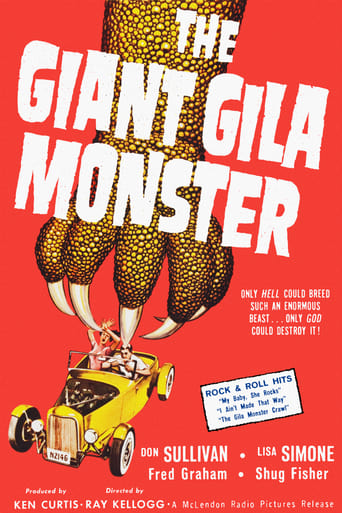
Made his mark during the golden age of B-movies in the 1950s. Beginning his career in Hollywood as a special effects expert, Kellogg spent many years working behind the scenes at major studios, particularly 20th Century Fox, where he contributed to numerous productions with his technical expertise. His transition to directing came in 1959 when he helmed two now-infamous monster films, 'The Giant Gila Monster' and 'The Killer Shrews,' both produced by Gordon McLendon and shot on location in Texas. These films showcased his practical effects background and ability to create entertaining creature features on minimal budgets. Despite his brief directing career spanning only one year, Kellogg's films have achieved cult status and are now regarded as quintessential examples of 1950s drive-in cinema. After his directing stint, he returned to his roots in special effects work, continuing to contribute to the film industry until his death in 1976. His legacy remains that of a craftsman who successfully transitioned from technical work to creative direction, leaving behind memorable monster movie classics.
The Craft
Behind the Camera
Kellogg's directing style was characterized by practical efficiency and a focus on visual spectacle derived from his special effects background. He employed straightforward, no-frills storytelling that prioritized monster sequences and action set pieces. His approach emphasized creating maximum impact with minimal resources, using creative camera angles and practical effects to bring his creatures to life. Kellogg's films typically featured fast pacing and maintained audience engagement through regular appearances of the titular monsters, reflecting his understanding of drive-in movie audiences' expectations.
Milestones
- Long career as special effects artist at 20th Century Fox
- Directed 'The Giant Gila Monster' (1959)
- Directed 'The Killer Shrews' (1959)
- Pioneered low-budget monster movie techniques
- Contributed to numerous Hollywood films as special effects supervisor
Best Known For
Must-See Films
Accolades
Special Recognition
- Cult film recognition for monster movie contributions
Working Relationships
Worked Often With
Studios
Why They Matter
Impact on Culture
Ray Kellogg's work represents an important chapter in American B-movie history, particularly the monster movie boom of the late 1950s. His films captured the zeitgeist of Cold War-era anxieties manifested in giant creature features, providing entertainment for drive-in theater audiences across America. 'The Giant Gila Monster' and 'The Killer Shrews' have become touchstones of cult cinema, frequently referenced in discussions of 1950s horror and science fiction films. These movies exemplify the resourceful filmmaking techniques that defined low-budget genre cinema of the era, showing how creativity could overcome financial limitations to produce memorable entertainment.
Lasting Legacy
Ray Kellogg's legacy endures through the cult status of his two directorial efforts, which continue to be screened at revival theaters and film festivals celebrating B-movie cinema. His films are studied as examples of efficient low-budget filmmaking and have influenced generations of horror and science fiction directors working with limited resources. The enduring popularity of his monster movies demonstrates the lasting appeal of practical effects and creature-driven storytelling. Kellogg represents the journeyman filmmaker who, despite a brief time in the director's chair, left an indelible mark on genre cinema.
Who They Inspired
Kellogg's practical approach to monster movie effects influenced subsequent generations of low-budget horror filmmakers. His techniques for creating convincing creatures with minimal resources have been studied and emulated by directors in the independent film scene. The success of his films demonstrated the commercial viability of regional monster movie production, encouraging similar projects across the United States. His work continues to inspire modern filmmakers who value practical effects over digital alternatives.
Off Screen
Ray Kellogg maintained a relatively private personal life throughout his career in Hollywood. His primary focus was on his technical work in the film industry, and he was known more for his behind-the-scenes contributions than for public appearances. Details about his family life and personal relationships remain largely undocumented in film histories.
Education
Educational background not extensively documented, likely self-taught in special effects through industry experience
Did You Know?
- Both of Kellogg's directorial efforts were filmed back-to-back in Texas
- The Giant Gila Monster featured a real Gila monster for close-up shots
- The Killer Shrews used dogs dressed as shrews for many scenes
- Both films were produced by radio station owner Gordon McLendon
- The Giant Gila Monster was featured on Mystery Science Theater 3000
- Kellogg's special effects experience helped him create convincing monster effects on tiny budgets
- Both films were shot in approximately one week each
- The Killer Shrews featured a unique premise about chemically-altered shrews
- These films were part of the late 1950s giant monster movie craze
- Kellogg returned to special effects work after his directing career
In Their Own Words
We had to make the monsters look terrifying with almost no budget - that's where creativity comes in
Drive-in audiences wanted action and monsters, and that's exactly what we gave them
In special effects, you learn that the simplest solution is often the best one
Frequently Asked Questions
Who was Ray Kellogg?
American on YTB.my.' He worked extensively in Hollywood as a special effects expert before transitioning to directing, bringing his technical expertise to create memorable creature features on minimal budgets.
What films is Ray Kellogg best known for?
Titles linked here include The Giant Gila Monster (1959), The Killer Shrews (1959).
When was Ray Kellogg born and when did he die?
Born November 15, 1905; died July 6, 1976.
What awards did Ray Kellogg win?
Ray Kellogg did not receive major industry awards during his career, though his films have gained significant cult recognition and appreciation among B-movie enthusiasts. His contributions to special effects and monster cinema are celebrated in genre film circles and retrospectives of 1950s cinema.
What was Ray Kellogg's directing style?
Kellogg's directing style emphasized practical efficiency and visual spectacle, drawing from his extensive special effects background. He focused on creating engaging monster sequences with minimal resources, using straightforward storytelling and regular creature appearances to maintain audience interest, particularly for drive-in theater crowds.