Films
3 films
About Max Landa
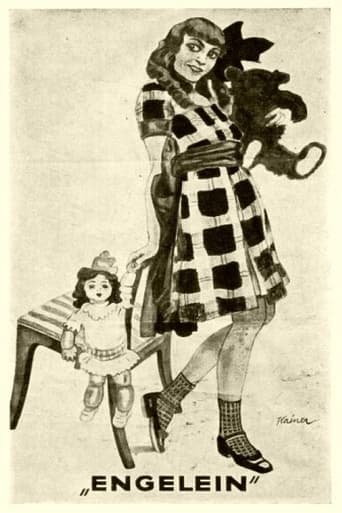
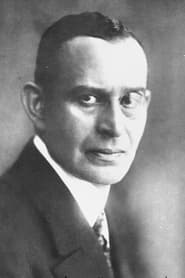
Max Landa worked on one surviving credit: Little Angel (1914). His career, though brief, coincided with the formative years of European cinema when the art form was still establishing its language and techniques. Landa appeared in the 1914 film 'Little Angel' (German title likely 'Kleiner Engel' or similar), which represents his known film work. As with many actors from this era, detailed records of his complete filmography and career trajectory are sparse, as many films from this period have been lost and documentation was not as systematic as in later decades. His work in 1914 places him among the generation of performers who helped establish the foundations of screen acting before the transition to sound. The fact that he was working in Austrian or German cinema during this period suggests he was part of the vibrant European film industry that was producing innovative works before World War I disrupted production across the continent.
The Craft
On Screen
As a silent era actor, Landa would have employed the exaggerated physical gestures and facial expressions characteristic of early screen acting, where performers needed to convey emotion and story without the benefit of synchronized dialogue. His style would have been influenced by theatrical traditions, which dominated early film performance techniques before more naturalistic cinematic acting styles developed in the 1920s.
Milestones
- Starred in 'Little Angel' (1914)
- Active during the era of European silent cinema
Best Known For
Iconic Roles
Must-See Films
Why They Matter
Impact on Culture
Max Landa represents the countless actors who participated in cinema's earliest years but whose contributions have been largely obscured by time. As an actor working in 1914, he was part of the foundational generation that helped establish the language of film performance. While his individual impact may be difficult to trace due to limited documentation, he contributed to the development of Austrian/German cinema during its formative period, which would later influence international film movements. His work in 'Little Angel' adds to the historical record of early European film production during a crucial transitional period just before World War I would dramatically alter the landscape of European cinema.
Lasting Legacy
Max Landa's legacy is primarily historical, serving as a representative example of the many actors who worked during cinema's silent era but whose careers were brief or poorly documented. His existence in the historical record, even with limited information, helps illustrate the scale and scope of early European film production. For film historians and researchers, figures like Landa are important pieces in understanding the full picture of cinema's development, reminding us that many contributors to film history remain relatively unknown despite their role in building the foundation of the medium.
Who They Inspired
Given the limited documentation of Max Landa's career and the brevity of his known film work, it's difficult to trace specific influences he may have had on other performers or filmmakers. However, like all actors working during this period, he contributed to the evolving vocabulary of screen acting that would influence subsequent generations of performers, even if his direct influence cannot be specifically documented.
Off Screen
Very little documented information exists about Max Landa's personal life, which is typical for many actors from the earliest days of cinema who were not major stars. The lack of detailed records makes it difficult to piece together his family background, marital status, or personal relationships outside of his brief film career.
Did You Know?
- Appeared in films during the very early days of European cinema in 1914
- His active years covered only one documented year, making him representative of many actors with brief film careers
- Worked during the pre-World War I period when European cinema was flourishing
- His film 'Little Angel' (1914) represents a typical production from the early silent era
- As an Austrian actor, he was part of the robust German-language film industry of the period
- Like many actors from this era, most biographical details have been lost to time
- His career coincided with the transition from short films to feature-length productions
- The year 1914 marked both his active period and the beginning of World War I, which disrupted European film production
Frequently Asked Questions
Who was Max Landa?
Austrian silent film with credits in this catalog.' He represents one of the many actors from cinema's earliest years whose careers were brief but contributed to the development of European film during its formative period.
What films is Max Landa best known for?
Titles linked here include Little Angel (1914).
When was Max Landa born and when did he die?
Unfortunately, specific birth and death dates for Max Landa are not documented in available historical records, which is common for many actors from the earliest era of cinema. We know he was Austrian and active as an actor in 1914, but further biographical details remain unknown.
What awards did Max Landa win?
Max Landa did not receive any documented awards or nominations during his brief career in 1914. The formal award systems for cinema, including the Academy Awards, would not be established until many years after his active period in film.
What was Max Landa's acting style?
As a silent era actor from 1914, Max Landa would have employed the theatrical and exaggerated performance style typical of early cinema, where actors relied heavily on physical gestures and facial expressions to convey emotion without synchronized dialogue. This style was common before more naturalistic film acting techniques developed in the 1920s.