Films
4 films
About Adele Reuter-Eichberg
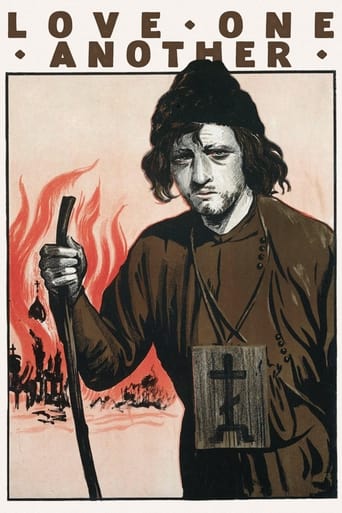
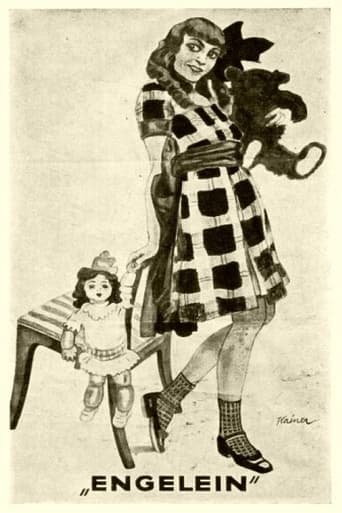
German actress who worked during the silent film era, primarily in the 1910s and early 1920s. Her screen career ran from 1914 to 1922, placing her firmly in the golden age of German silent cinema. Adele appears in 'Little Angel' in 1914, which was likely one of her early film roles during the burgeoning years of German cinema. Her most notable surviving film credit is 'Love One Another' from 1922, which came during the peak of German expressionist cinema. Like many actors of her era, her career was relatively brief and centered in the German film industry before the transition to sound. Details about her life beyond her film work remain scarce, which is common for supporting actors from this period who were not major stars. Her filmography, while limited, represents the type of character roles that were essential to the storytelling of silent films.
The Craft
Milestones
- Film debut in Little Angel (1914)
- Appearance in Love One Another (1922) during German expressionist cinema era
Best Known For
Must-See Films
Why They Matter
Impact on Culture
Adele Reuter-Eichberg represents the countless character actors and supporting players who were essential to the fabric of silent cinema but whose contributions have been largely lost to history. Her work during the pivotal years of German silent film (1914-1922) places her within the important period when German cinema was establishing itself as a major artistic force. While not a major star, actors like her formed the backbone of film productions, bringing depth and authenticity to the stories that defined early 20th century cinema.
Lasting Legacy
The legacy of Adele Reuter-Eichberg lies in her participation in the early German film industry during its formative years. Her appearance in films from 1914 to 1922 means she worked through the transformative period of World War I and into the golden age of German expressionist cinema. Though her individual contributions may be difficult to trace, she represents the generation of actors who helped establish the foundations of European cinema that would influence filmmakers worldwide for decades to come.
Who They Inspired
As a supporting actor from the silent era, Adele Reuter-Eichberg's direct influence on subsequent generations of performers is difficult to trace due to limited documentation of her work and career. However, her participation in German cinema during its artistic peak means she contributed to the films and techniques that would later influence international cinema, particularly in the realm of visual storytelling and character development in silent film.
Off Screen
Very little is documented about Adele Reuter-Eichberg's personal life, which is typical for many supporting actors from the silent era who were not major celebrities. Historical records from this period often focused primarily on stars and directors, leaving many character actors with minimal biographical documentation.
Did You Know?
- Her active years covered exactly eight years, from 1914 to 1922
- She worked during the height of German expressionist cinema
- Her film 'Love One Another' (1922) was released during the same year as other German classics like 'Nosferatu' and 'Dr. Mabuse the Gambler'
- Like many silent era actors, her career ended around the time sound films began to emerge
- Her birth name appears to be the same as her stage name, which was uncommon for the era
- The limited documentation of her career is typical for supporting actors of the silent era
Frequently Asked Questions
Who was Adele Reuter-Eichberg?
German actress who worked in silent films during the early 20th century, active from 1914 to 1922. She appeared in films including 'Little Angel' (1914) and 'Love One Another' (1922), representing the many character actors who were essential to German cinema during its formative years.
What films is Adele Reuter-Eichberg best known for?
Titles linked here include Little Angel (1914), Love One Another (1922).
When was Adele Reuter-Eichberg born and when did she die?
Unfortunately, specific birth and death dates for Adele Reuter-Eichberg are not available in historical records, which is common for supporting actors from the silent era who were not major celebrities. We only know she was active as an actress between 1914 and 1922.
What awards did Adele Reuter-Eichberg win?
There are no documented awards or honors for Adele Reuter-Eichberg, which was typical for many character actors of the silent era. Award systems for film performances were not as established during her active years as they would become later in cinema history.
What was Adele Reuter-Eichberg's acting style?
While specific details about her acting style are not documented, as a German silent film actress she would have employed the exaggerated gestures and facial expressions characteristic of silent era performance. Her work in the early 1920s would have coincided with the more naturalistic acting styles emerging in German expressionist cinema.