Harry d'Abbadie d'Arrast
Director
- Born
- May 6, 1891, Buenos Aires, Argentina
- Died
- March 17, 1968
- Active
- 1910s-1930s
Films directed 1
About Harry d'Abbadie d'Arrast
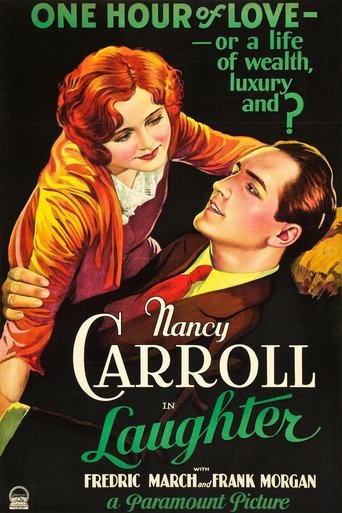
Harry d'Abbadie d'Arrast was a French-born filmmaker who became one of the more intriguing cosmopolitan figures of the early Hollywood sound era. Born into a patrician Argentine-French background, he was educated in Europe and came to the film industry with the polish of an international gentleman as well as the sensibility of a sophisticated satirist. He entered filmmaking during the silent period and made his mark in the late 1920s and early 1930s, most notably as a director of witty, elegant comedies and urbane social films. His best-known Hollywood credit is the 1930 comedy Laughter, a stylish and acerbic picture associated with the sophisticated tone that distinguished the work of many European émigré talents in early talkies. D'Arrast also worked as a writer and collaborator in the film industry, and his career intersected with major figures of the period, including Charles Chaplin, though much of his later life unfolded away from sustained mainstream studio prominence. Although his screen output was relatively limited, he is remembered as a refined, internationally minded director whose career exemplified the cross-cultural exchange that shaped early sound cinema. His reputation today rests less on a long commercial filmography than on the sophistication, rarity, and historical interest of his surviving work.
More about Harry d'Abbadie d'Arrast
Behind the camera
D'Arrast's directing style is associated with elegance, wit, and a polished cosmopolitan sensibility rather than broad slapstick or heavily melodramatic staging. His work on Laughter suggests an interest in social satire, conversational rhythm, and the delicate observation of upper-class behavior and emotional restraint. He favored a controlled visual approach that supported character interaction and tonal sophistication, fitting the transitional early talkie period when filmmakers were still discovering how to balance movement, dialogue, and performance. His background and career path suggest an international perspective that helped his films feel urbane and modern for their time. Though his surviving body of work is limited, he is remembered for bringing a refined, continental flavor to Hollywood filmmaking.
In film history
Harry d'Abbadie d'Arrast occupies a small but meaningful place in film history as part of the generation of internationally educated filmmakers who helped shape early Hollywood's sophistication. His work is emblematic of the period when American cinema was absorbing European artistic influences and adapting them to the new demands of synchronized sound. Laughter in particular stands as a representative artifact of early talkie refinement, showing how comedy could be witty, adult, and socially observant rather than purely broad or physical. Although he was not a prolific studio director in the mold of the era's major commercial craftsmen, his name remains of interest to scholars because he represents a cosmopolitan strand in classic cinema that linked Paris, Buenos Aires, and Hollywood. His career also illustrates how some directors of the transitional sound era contributed a distinctive tone and taste even when their filmographies were brief.
Later reputation
D'Arrast's legacy lies in the rarity and character of his surviving work, especially his association with Laughter and the sophisticated early-1930s comedy style. He is remembered by film historians as a minor but distinctive figure who helped embody the internationalism of early Hollywood, when filmmakers from Europe and elsewhere brought new manners, rhythms, and sensibilities to American productions. His career is also important as a reminder that film history is not made only by the most prolific directors; sometimes a small number of works can preserve a unique artistic personality. Today, his name appears most often in classic cinema reference works, scholarly discussions of Chaplin's circle, and studies of the transition from silent cinema to talkies. As such, his lasting legacy is one of elegant rarity: a director whose limited output still helps define the texture of early sound-era sophistication.
Influence
D'Arrast influenced the perception of what a sophisticated comedy director could look like in early Hollywood: refined, international, and attentive to social nuance. His work demonstrated that dialogue-driven comedy could still retain subtlety and visual intelligence during the industry's transition to sound. While he is not usually cited as a major originator of a broad school, he contributed to the atmosphere that later directors and writers drew upon when crafting urbane screen comedy. His career also reflects the broader influence of European émigré filmmakers on American studio style and narrative tone.
Off screen
Harry d'Abbadie d'Arrast came from a socially prominent background and moved in elite international circles, which shaped both his outlook and his access to artistic communities. He was connected personally and professionally with important figures of the era, including Charles Chaplin, and his life is often discussed in relation to that wider expatriate and cosmopolitan milieu. Detailed public documentation of his marriages, children, and domestic life is limited in standard film histories, and much of his personal story is overshadowed by his brief but notable film career. He is generally remembered more for his creative associations and aristocratic bearing than for a highly public celebrity life.
Education
He was educated in Europe, though detailed institutional records are not consistently cited in standard film references. His upbringing was shaped by an international, upper-class environment that likely contributed to his fluency in multiple cultural settings and his polished artistic sensibility.
Credits
- Directed the 1930 comedy Laughter, his best-known Hollywood feature and the film most often cited in studies of early sound-era sophistication.
- Worked within the international artistic circle surrounding Charles Chaplin and was part of the broader transatlantic exchange of talent in the early film industry.
- Built a reputation for stylish, urbane, and socially observant filmmaking during the transition from silent cinema to talkies.
- Established himself as a figure of interest in classic cinema history despite a comparatively small surviving filmography.
- Contributed to the early development of sophisticated comedy and conversational screen dialogue in the sound era.
Films
- Laughter (1930)
Collaborators
- Charles Chaplin
- Actors and writers associated with early Hollywood sophisticated comedy
Studios
- United Artists
- Paramount Pictures
Notes
- He is best remembered today for directing Laughter (1930), a title often discussed in histories of early sound comedy.
- His career is closely associated with the international artistic milieu surrounding Charles Chaplin.
- He was born in Buenos Aires but is generally identified as French in nationality and cultural background.
- Despite his aristocratic-sounding name and cosmopolitan background, his filmography in mainstream cinema was relatively small.
- He worked during the delicate transition from silent filmmaking to synchronized sound, a period that challenged many directors.
- His surname is often noted for its unusual spelling and aristocratic styling, making him memorable in film reference lists.
- He is one of the many early cinema figures whose importance rests more on influence, context, and surviving key titles than on volume of output.
- His Hollywood work is associated with a polished, European-inflected tone rather than slapstick or action-oriented spectacle.
Questions
Who was Harry d'Abbadie d'Arrast?
Harry d'Abbadie d'Arrast was a French-born film director and writer associated with the silent era and early talkies. He is best known for directing Laughter (1930), a sophisticated comedy that reflects the cosmopolitan style of early sound cinema.
What films is Harry d'Abbadie d'Arrast best known for?
He is most closely identified with Laughter (1930), which remains his most notable Hollywood credit. Because his surviving mainstream filmography is limited, this title is the one most frequently cited in classic cinema references.
When was Harry d'Abbadie d'Arrast born and when did he die?
He was born on May 6, 1891, in Buenos Aires, Argentina, and died on March 17, 1968. Although born in Argentina, he is generally regarded as French in nationality and cultural identity.
What awards did Harry d'Abbadie d'Arrast win?
There are no major film awards or nominations widely documented for him in standard reference sources. His reputation rests more on historical significance and the stylistic quality of his work than on formal awards recognition.
What was Harry d'Abbadie d'Arrast's directing style?
His directing style is associated with elegance, wit, and a refined continental sensibility. He appears to have favored social observation and polished dialogue rather than broad comedy or heavy melodrama, especially in the early sound era.
What is Harry d'Abbadie d'Arrast's legacy in film history?
His legacy lies in being a distinctive, internationally minded filmmaker from the transitional period between silent cinema and talkies. Even with a limited body of work, he remains significant for the sophistication and historical interest of Laughter and for his connection to the wider artistic circle of the era.