Laughter
Plot
Peggy, a glamorous former Ziegfeld Follies beauty, has married the older, prosperous C. Morton Gibson in what appears to be a comfortable and socially respectable match. Yet the quiet routine of married life quickly leaves her restless, especially when her long-time friend Ralph Le Saint, a passionate and unpredictable sculptor, continues to circle her with openly emotional devotion. Peggy resists Ralph’s advances and instead tries to preserve the calm stability of her marriage, even though she is increasingly aware of how emotionally empty it feels. Her situation becomes more complicated with the arrival of pianist Paul Lockridge, who has returned from Paris and urges Peggy to abandon convention and flee with him to France for a life of adventure and freedom. The tensions among Peggy’s desire for excitement, her obligations to her husband, and the pull of personal happiness intensify further when Gibson’s attractive daughter enters the picture, forcing Peggy to confront the emotional consequences of the life she has chosen.
About the Production
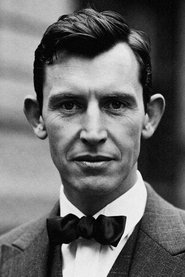
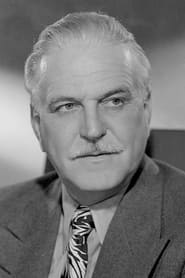
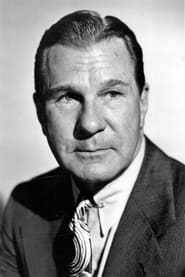
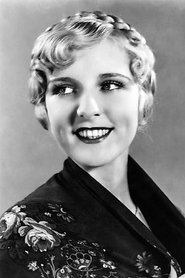
Laughter was produced at Metro-Goldwyn-Mayer during the first wave of Hollywood sound cinema, when studios were adapting prestige stage and literary material into sophisticated talkies for adult audiences. The film is notable for being directed by Harry d'Abbadie d'Arrast, a filmmaker associated with polished, cosmopolitan production values, and for pairing Nancy Carroll with Fredric March and Frank Morgan in a romantic comedy-drama built around class, marriage, and emotional dissatisfaction. As with many early sound-era MGM productions, the emphasis was on dialogue, drawing-room interaction, and star performances rather than elaborate action set pieces. Precise budgetary records and box-office totals are not readily documented in accessible modern references, but the film was made as a mainstream studio release intended for national exhibition.
Historical Background
Laughter was made and released in 1930, a pivotal moment in American film history. The industry had just undergone the seismic transition from silent cinema to synchronized sound, and studios were racing to prove that talkies could be elegant, literate, and commercially appealing. This was also the early pre-Code period, before strict enforcement of Production Code morality, which allowed stories to engage more openly with marriage, desire, flirtation, social mobility, and the emotional costs of respectability. In the broader culture, the country was entering the Great Depression, and films that dealt with wealth, sophistication, and romantic dissatisfaction offered audiences both escapism and a reflection of changing social mores.
Why This Film Matters
Although not among the most famous titles of the early 1930s, Laughter is culturally significant as a representative pre-Code MGM picture that showcases how Hollywood handled adult romantic complications during the first years of sound cinema. Its story centers on a woman negotiating the gap between social comfort and personal fulfillment, a theme that would recur throughout American film but was especially pointed in the years before censorship became more restrictive. The film also offers a snapshot of a studio system in which polished acting, stage-derived dialogue, and urban sophistication were used to market prestige entertainment. For historians, it is valuable as part of the broader evolution of screen drama from silent-era mannerisms to talkie-era psychological realism and social wit.
Making Of
Laughter was mounted as an early sound-era MGM feature, a period when studios were still learning how best to balance spoken dialogue, camera mobility, and performance style. Films of this kind were often adapted to emphasize witty exchanges, emotional nuance, and star persona, and this production appears to have been designed with that polish in mind. Harry d'Abbadie d'Arrast, whose background gave him a reputation for sophistication, was an apt choice for a story about elite social circles, artistic temperament, and romantic tension. While detailed production anecdotes are scarce in readily available sources, the film belongs to that transitional moment when Hollywood was defining what a modern adult drama-comedy could look and sound like in the talkie era.
Visual Style
The film’s visual style likely reflects the cleaner, more static aesthetics of early sound production, when microphones and recording systems initially constrained camera movement. As an MGM production, it would have been photographed with an emphasis on well-lit interiors, elegant costuming, and carefully composed dialogue scenes that highlighted the actors’ faces and social surroundings. The likely visual approach is one of refined studio artifice rather than location realism, with the camera serving the performance and the emotional dynamics of the characters. Early sound-era cinematography often relied on controlled sets and measured framing to preserve audio quality, and Laughter belongs to that transitional style.
Innovations
The film is technically important mainly as an early talkie that demonstrates how MGM handled sophisticated adult drama in the first years of synchronized sound. Rather than relying on overt technical innovation, its value lies in the industrial refinement of early sound staging, dialogue recording, and studio-controlled visual presentation. The production represents the period when filmmakers were adapting performance style and visual rhythm to suit microphones, more constrained camera placement, and the expectations of sound audiences. Its technical significance is therefore historical and transitional rather than groundbreaking in the modern sense.
Music
As an early sound film, Laughter would have relied on synchronized dialogue, incidental musical passages, and MGM’s general musical presentation traditions rather than on a modern composed score in the later sense. No widely documented standalone soundtrack album or composer credit is commonly cited in accessible reference sources for this title. Music in the film would have functioned primarily to support mood, scene transitions, and the cosmopolitan atmosphere suggested by the story’s artists and socialites. In early 1930 cinema, sound was still relatively new enough that spoken exchange itself was a key attraction.
Famous Quotes
No reliably documented quotation from the film is widely established in accessible reference sources.
Memorable Scenes
- Peggy’s increasingly uneasy domestic life after marrying C. Morton Gibson, which establishes the film’s central conflict between comfort and emotional vitality.
- The exchanges between Peggy and Ralph Le Saint, whose volatile devotion underscores the tension between security and passion.
- Paul Lockridge’s arrival from Paris and his plea that Peggy abandon convention and run away with him to France.
- The complication introduced by Gibson’s attractive daughter, which intensifies the emotional and social stakes of Peggy’s choices.
Did You Know?
- The film was released in 1930, right at the beginning of the pre-Code era, when Hollywood films could still explore adult relationships, marital dissatisfaction, and social flirtation with relatively frankness.
- Nancy Carroll had already become a popular screen presence in early sound films, and Laughter fit her image as a glamorous but emotionally complicated heroine.
- Fredric March appears in one of the key supporting romantic roles, a reminder of how quickly he moved between stage-derived prestige dramas and lighter screen material in the early 1930s.
- Frank Morgan, who later became immortal to audiences as the Wizard in The Wizard of Oz, is part of the cast here in an earlier phase of his long MGM career.
- The film reflects the studio’s interest in sophisticated urban melodrama, a genre that often blurred the line between comedy and emotional drama in the early sound period.
- The story’s focus on a woman caught between security, passion, and freedom is characteristic of pre-Code storytelling, which often centered on adult emotional compromise rather than simple moral lessons.
- Harry d'Abbadie d'Arrast was an internationally minded director known for bringing a refined, European sensibility to American studio productions.
- Because surviving documentation on many early MGM productions is uneven, the film is more often discussed through cast lists, plot summaries, and archival catalog records than through extensive modern scholarship.
- The title Laughter is somewhat ironic, since the story is fundamentally about dissatisfaction, desire, and the difficult choices behind social appearances.
What Critics Said
Contemporary critical reception is not extensively preserved in the readily accessible record, but the film was positioned as a stylish MGM romantic comedy-drama rather than a major prestige event. Reviews from the period generally tended to evaluate such pictures on the basis of performance, dialogue, and polish, and Laughter would have been judged alongside many early sound films experimenting with tone and pacing. In later historical view, it is appreciated more as a representative early talkie and a showcase for its cast than as a canonical classic. Modern discussion tends to emphasize its pre-Code sensibility, studio craftsmanship, and the way it reflects the romantic and social preoccupations of the era.
What Audiences Thought
Audience reception is not well documented in surviving mainstream reference materials, but as an MGM release with recognizable stars it was likely intended to appeal to adult moviegoers seeking sophisticated romance and social drama. Early sound audiences were especially attentive to dialogue-heavy productions that featured established stage and screen performers, and the film’s mixture of glamour, emotional entanglement, and light comedy would have fit that demand. Its endurance today seems to depend more on interest from classic-film enthusiasts and archivists than on broad popular memory. Like many early 1930s studio films, it has become a title appreciated by historians rather than a widely circulated mainstream favorite.
Film Connections
Influenced By
- The sophisticated adult comedies and dramas of late silent Hollywood
- Stage-derived drawing-room dramas
- Pre-Code romantic melodramas centered on modern women and marriage
This Film Influenced
- No specific direct influence is firmly documented in accessible sources
- Later pre-Code romantic dramas exploring marriage, desire, and emotional freedom
You Might Also Like
More Romance Films
View allFilm Restoration
The film is not widely considered lost; it is generally regarded as surviving in archival holdings and may be available through specialized classic-film archives or collectors, though it is not broadly circulated in mainstream home-video or streaming catalogs. Exact restoration status is not prominently documented in widely accessible sources.