Charles Halton
Actor
- Born
- March 6, 1881, Cambridge, England, United Kingdom
- Died
- April 16, 1956
- Active
- 1930-1956
Films 1
About Charles Halton
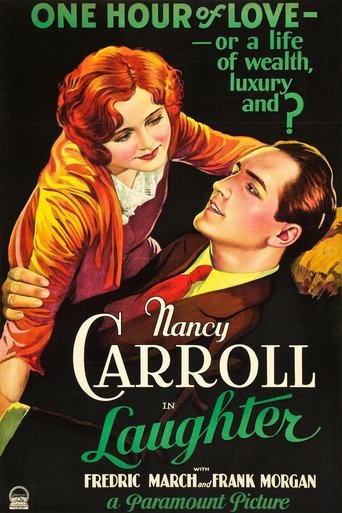
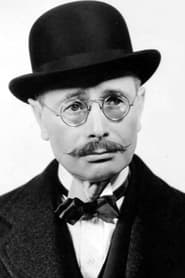
Charles Halton was a distinctive character actor of early Hollywood whose career stretched from the late silent era into the 1950s, even though he is often remembered for his work in the talkies rather than as a leading man. He was born in England and later became associated with American screen acting, where his precise diction, dry manner, and impeccably bureaucratic presence made him especially effective as officials, clerks, scientists, inspectors, and other authority figures. One of his earliest credited film appearances was in the early sound film Laughter (1930), and from there he became a familiar face in supporting roles across studio productions, especially in comedies, melodramas, mysteries, and social dramas. Halton never became a star, but he built a remarkably steady career by specializing in brief yet memorable performances that often supplied exposition, tension, or comic irritation. His screen persona was typically urbane, slightly fussy, and understated, which allowed him to blend naturally into the machinery of studio filmmaking while still standing out to audiences. He was part of the great ecosystem of Hollywood character players whose work gave classic cinema much of its texture and credibility. Halton died in 1956, leaving behind a substantial body of work that continues to be recognized by classic-film fans and historians.
More about Charles Halton
On screen
Halton’s acting style was restrained, exact, and rooted in comic underplay. He specialized in polished, slightly officious authority figures, using careful diction, subtle facial reactions, and a clipped delivery to create an immediate impression. Rather than broad caricature, he often played his roles with a dry realism that made even small parts memorable. His performances frequently carried an undertone of exasperation, mild condescension, or nervous precision, which made him especially effective in social comedies and mystery films.
In film history
Charles Halton’s cultural impact lies in the quintessential function of the classic Hollywood character actor: he helped create believable worlds around stars. His presence in films signaled administrative authority, professional competence, or fussy social control, and he could do so in just a few lines, often without dominating the scene. This kind of supporting work was essential to the studio era, where audiences expected a populated, internally consistent world of experts, bureaucrats, and civic figures. Though not widely known to casual viewers by name, Halton remains a recognizable face to lovers of classic cinema, and his performances are part of the shared visual memory of early and mid-century American film.
Later reputation
Halton’s legacy is that of a consummate studio-system supporting player whose career exemplifies the importance of character actors in classic Hollywood. He represents the kind of performer whose work may be invisible in terms of stardom but indispensable in terms of craft, tone, and narrative function. Modern viewers encountering him often remember his distinctive delivery and authoritative demeanor even when they cannot immediately name him. Film historians value actors like Halton because they reveal how the Hollywood system depended on a stable repertory of reliable performers to support stars and unify genre conventions. His filmography also offers a useful cross-section of early sound cinema, studio comedies, and postwar drama.
Influence
Halton influenced later character-actor traditions by demonstrating how a narrowly defined screen persona could be used with precision across many genres. His style anticipated the modern expectation that a supporting actor can define a role quickly and efficiently while remaining understated. While there is no strong evidence that he mentored famous successors directly, his work belongs to the lineage of character performers whose professionalism and consistency shaped the standard for secondary roles in American cinema. Actors playing bureaucrats, professors, and authority figures in later Hollywood and television continued to draw on the kind of dry, authoritative screen presence he exemplified.
Off screen
Available biographical details about Charles Halton’s private life are limited in standard film-reference sources, as he was primarily documented through his work rather than through publicity around a star persona. He appears to have maintained a relatively private personal life, with no widely publicized scandals or celebrity-driven domestic narrative attached to his name. Like many character actors of his era, his professional identity was shaped more by steady studio employment than by interviews, publicity campaigns, or fan-magazine coverage. Because of this, surviving references tend to emphasize his screen roles rather than family background or personal relationships.
Education
No widely verified public record of formal education is commonly cited in standard film references; specific details are not generally documented.
Credits
- Began appearing in films in the early sound era, with Laughter (1930) among his earliest credited screen roles
- Established himself as a dependable character actor in Hollywood, often cast as officials, doctors, professors, clerks, and other establishment figures
- Appeared in a wide range of studio productions during the 1930s and 1940s, becoming a familiar supporting performer in major releases
- Worked in both comedy and drama, with a knack for delivering dry, precise, and memorable bits of business in limited screen time
- Remained active through the postwar years, contributing to the texture of mid-century American cinema
- Built a long career as one of the industry’s reliable supporting players rather than a marquee star
Roles
- Officials, clerks, and bureaucrats
- Doctors and scientists
- Police officers and inspectors
- Professors and academic authorities
- Bankers, lawyers, and business representatives
Films
- Laughter (1930)
- The Strange Love of Molly Louvain (1932)
- Baby Face (1933)
- The Thin Man (1934)
- The Great Ziegfeld (1936)
- The Fountainhead (1949)
Collaborators
- Members of the major studio character-actor ensembles of the 1930s and 1940s
- Writers and directors of screwball comedy and social drama productions
- Supporting-cast ensembles in mystery and courtroom films
Studios
- MGM
- Warner Bros.
- Paramount Pictures
- 20th Century Fox
- RKO Radio Pictures
Notes
- He is remembered as one of those classic Hollywood character actors whose face was widely recognized even when his name was not.
- His earliest notable work came in the early sound period, when studios were still adapting stage-trained diction to film acting.
- He was especially effective in roles that required a polished, slightly pompous, or officious demeanor.
- Halton frequently appeared in films where a brief appearance could materially shape a scene’s rhythm or tone.
- He worked across multiple major studios, reflecting the freelancing nature of many supporting actors in the studio era.
- His career demonstrates how early talkies created demand for actors with clear speech and controlled vocal technique.
- He often played professionals and functionaries, making him part of the era’s invisible infrastructure of realism.
- Despite a long career, he never cultivated a celebrity image and remained largely a professional presence rather than a public personality.
Questions
Who was Charles Halton?
Charles Halton was a British-born character actor who worked steadily in American films from the early sound era through the 1950s. He became known for playing officials, professionals, and other authority figures in a wide variety of studio productions. His career is a strong example of the essential supporting players who gave classic Hollywood films their texture.
What films is Charles Halton best known for?
He is remembered for early and mid-era Hollywood titles such as Laughter (1930), The Strange Love of Molly Louvain (1932), Baby Face (1933), The Thin Man (1934), The Great Ziegfeld (1936), and The Fountainhead (1949). These films show the range of his supporting work across comedy, drama, and prestige productions. He was rarely the star, but he often made a scene more memorable.
When was Charles Halton born and when did he die?
Charles Halton was born on March 6, 1881, in Cambridge, England. He died on April 16, 1956. His career bridged the early talkies and the postwar studio era.
What awards did Charles Halton win?
No major awards or nominations are widely documented for Charles Halton in standard reference sources. Like many character actors of his era, his contribution was recognized more through continued studio employment and audience familiarity than through formal awards. His value was in consistency and craft rather than public accolades.
What was Charles Halton's acting style?
Halton’s style was controlled, dry, and highly precise, with a talent for projecting officiousness or professional competence in very little screen time. He often used clipped speech, restrained gestures, and subtle irritation to bring authority figures to life. That understated approach made him especially effective in comedies and social dramas.
What is Charles Halton’s legacy in film history?
His legacy is that of a quintessential Hollywood character actor whose supporting work helped define the realism and rhythm of classic studio films. He is remembered by film historians and classic-movie fans for the reliability and specificity of his performances. Actors like Halton were crucial to the functioning of the studio system, even if they rarely received star billing.