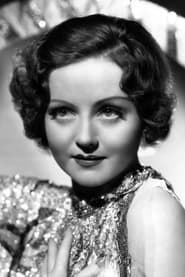
Nancy Carroll
Actor
Born: November 19, 1903 in New York City, New York, USA Died: August 6, 1965 Active: 1927-1955 Birth Name: Ann Veronica LaHiff
Films
4 films
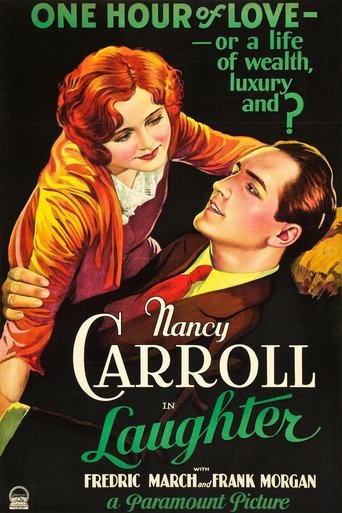
About Nancy Carroll
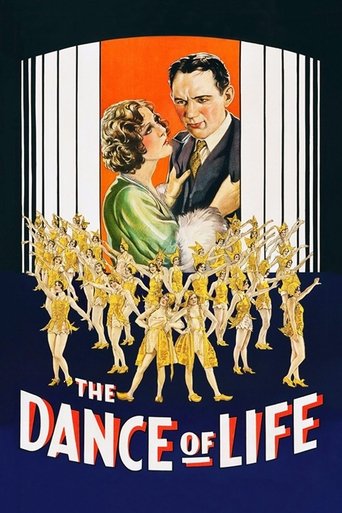
Prominent American actress who rose to stardom during the transition from silent films to talkies in the late 1920s. Born Ann Veronica LaHiff, she began her career on Broadway before being discovered by Paramount Pictures in 1927. Her breakthrough came with her performance in 'The Dance of Life' (1929), which established her as one of Hollywood's leading ladies of the early sound era. Carroll was known for her versatility, excelling in both dramatic roles and musical comedies, with her dancing abilities being particularly noteworthy. In 1930, she received an Academy Award nomination for Best Actress for her role in 'The Devil's Holiday,' cementing her status as a major star. Throughout the early 1930s, she starred in numerous successful films including 'Hot Saturday' (1932) and 'The Kiss Before the Mirror' (1933). Her career began to decline in the mid-1930s due to contract disputes and changing public tastes, though she continued to work in films and television through the 1950s. Carroll's legacy endures as one of the actresses who successfully navigated the challenging transition from silent cinema to sound.
The Craft
On Screen
Nancy Carroll was known for her naturalistic acting style that adapted well to the sound era, combining emotional depth with a sophisticated, contemporary feel. Her performances were characterized by a subtle expressiveness that avoided the theatrical excesses common in silent films. Carroll possessed a distinctive screen presence marked by her graceful movements and dancing abilities, which she showcased in numerous musical films. Her voice work was particularly praised for its clarity and musicality, making her an ideal actress for early talkies. She excelled at playing strong-willed, modern women who challenged traditional gender roles, bringing both vulnerability and determination to her characters.
Milestones
- Broadway debut in 1923
- Film debut in 'Abie's Irish Rose' (1928)
- Breakthrough role in 'The Dance of Life' (1929)
- Academy Award nomination for 'The Devil's Holiday' (1930)
- Starred in 25 films during her peak years (1929-1935)
- Successful transition to television in the 1950s
Best Known For
Iconic Roles
Must-See Films
Accolades
Won
- Academy Award nomination for Best Actress (1930)
Nominated
- Academy Award for Best Actress for 'The Devil's Holiday' (1930)
Special Recognition
- Hollywood Walk of Fame star (located at 1725 Vine Street)
Working Relationships
Worked Often With
Studios
Why They Matter
Impact on Culture
Nancy Carroll played a significant role in the transition from silent films to talkies, representing the new type of actress who could succeed in sound pictures with her clear voice and natural acting style. She was one of the first actresses to demonstrate that musical talent and dramatic ability could coexist in a single performer, paving the way for future multi-talented stars. Her portrayal of independent, modern women helped define the archetypal 1930s film heroine who was both glamorous and relatable. Carroll's success in early musical comedies contributed to the popularity of the genre during the early sound era. Her career also reflected the challenges faced by many actresses of the period, including studio contract disputes and the difficulty of maintaining stardom as audience tastes evolved.
Lasting Legacy
Nancy Carroll's legacy endures as one of the actresses of the early sound era who successfully bridged the gap between silent and talking pictures. Her Academy Award nomination for 'The Devil's Holiday' established her as one of the first actresses to be recognized for dramatic performance in sound films. Carroll's work with director Dorothy Arzner represents some of the earliest examples of female director-actor collaborations in Hollywood. Her films, particularly 'The Dance of Life' and 'Hot Saturday,' remain important examples of early sound cinema and are studied by film historians for their technical and artistic achievements. The restoration and preservation of her films have allowed new generations to appreciate her contributions to cinema history.
Who They Inspired
Nancy Carroll influenced subsequent generations of actresses through her naturalistic acting style and her ability to balance dramatic and musical performances. Her success in early talkies demonstrated the importance of voice training for film actors, leading to more systematic approaches to actor preparation in Hollywood. Carroll's portrayals of independent women helped establish new possibilities for female characterizations in American cinema. Her work with choreographers and her dance performances influenced the integration of musical numbers into narrative films. Her career trajectory also served as a cautionary tale about the challenges of maintaining stardom in the rapidly changing film industry of the 1930s.
Off Screen
Nancy Carroll was married twice during her lifetime. Her first marriage was to writer/producer Lester W. Sontag in 1925, which ended in divorce in 1933. She later married New York City real estate broker Herbert C. Kay in 1934, with whom she remained until his death in 1957. Carroll had one daughter, Patricia Kay, born in 1935. In her later years, she largely withdrew from public life, focusing on her family and personal interests. She struggled with health issues in her final years and passed away in New York City in 1965 at the age of 61.
Education
Attended public schools in New York City; began formal dance training as a child
Family
- Lester W. Sontag (1925-1933)
- Herbert C. Kay (1934-1957)
Did You Know?
- Was discovered by a Paramount talent scout while performing on Broadway
- Her birth name was Ann Veronica LaHiff, but she chose 'Nancy Carroll' as her stage name
- Was one of the first actresses to successfully transition from silent films to talkies
- Her dancing ability was considered exceptional among actresses of her era
- Was known for refusing to sign long-term studio contracts, which hurt her career momentum
- Her Oscar nomination for 'The Devil's Holiday' made her one of the first actresses nominated for a dramatic role in a sound film
- Appeared on the cover of Motion Picture Magazine multiple times in the early 1930s
- Made her television debut in 1953 on 'The Ford Television Theatre'
- Was a close friend of actress Sylvia Sidney
- Her films were often marketed with the tagline 'The Girl with the Million Dollar Smile'
In Their Own Words
I never wanted to be a star. I just wanted to be an actress and do good work.
The transition to sound was terrifying for many of us, but I had been on Broadway, so I wasn't afraid of my voice.
Hollywood is a place where they'll pay you a thousand dollars for a kiss and fifty cents for your soul.
I learned early that you can't trust studio executives, you have to trust yourself.
Dancing was my first love, and I think it made me a better actress because it taught me about movement and expression.
Frequently Asked Questions
Who was Nancy Carroll?
American actress who rose to stardom in the late 1920s and early 1930s, known for her work in early talkies and musical films. She was nominated for an Academy Award for Best Actress and was one of the actresses who successfully transitioned from silent films to sound pictures.
What films is Nancy Carroll best known for?
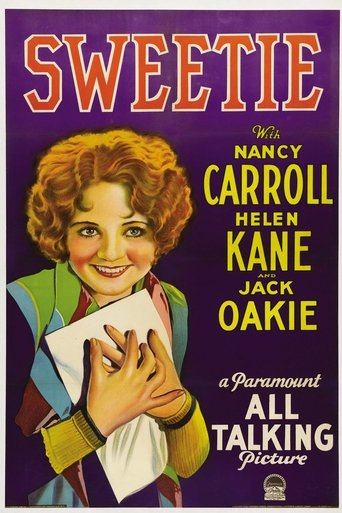
Titles linked here include The Dance of Life (1929), Sweetie (1929).
When was Nancy Carroll born and when did she die?
Born November 19, 1903; died August 6, 1965.
What awards did Nancy Carroll win?
Nancy Carroll received an Academy Award nomination for Best Actress for her performance in 'The Devil's Holiday' (1930). She also received a star on the Hollywood Walk of Fame at 1725 Vine Street in recognition of her contributions to film.
What was Nancy Carroll's acting style?
Nancy Carroll was known for her naturalistic acting style that adapted well to the sound era, characterized by subtle expressiveness rather than theatrical excess. She was particularly praised for her clear voice work, dancing abilities, and her portrayals of strong-willed, modern women who challenged traditional gender roles.