Diane Ellis
Actor
- Active
- 1930-1930
Films 1
About Diane Ellis
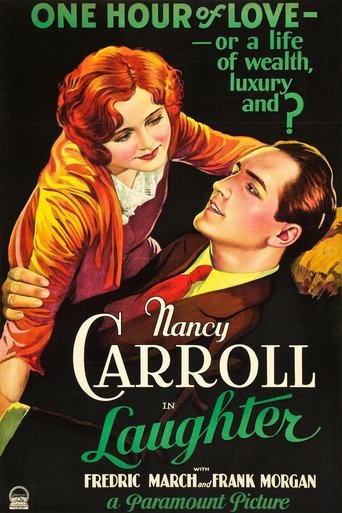
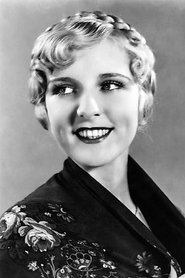
Diane Ellis was an American film actress whose career was brief but memorable during the transitional years from silent cinema to early sound films. She is chiefly remembered today for her work in 1930, including a supporting role in Raoul Walsh's Laughter, a sophisticated comedy-drama associated with the early talkie era. Ellis was part of the generation of young performers who entered films as Hollywood was rapidly adapting to sound, and her screen presence reflects the polished, modern style favored by studio producers at the time. Because her film career was short, relatively little detailed biographical information survives in standard reference sources, but she remains of interest to classic-film historians for her participation in one of the notable titles of the period. Her known screen activity appears to be concentrated in 1930, suggesting that she did not remain in films long enough to build a large body of work or a long-term star persona. Even with a limited filmography, her name continues to appear in cast lists and classic cinema databases because of the lasting reputation of Laughter and the historical interest in early sound-era performers. In the absence of a large surviving record, her legacy rests primarily on that single, well-remembered film credit and the mystery surrounding her short-lived Hollywood career.
More about Diane Ellis
On screen
No detailed contemporary critical description of Diane Ellis's acting style has survived in widely available reference sources. Based on her placement in an early talkie such as Laughter, her work would have required the controlled, naturalistic style that studios were seeking as they moved away from exaggerated silent-era gestures. Her screen persona, as far as it can be inferred, was likely shaped by the polished, youthful, and modern manner common to supporting players of the early 1930s.
In film history
Diane Ellis's cultural impact is primarily archival and historical rather than star-driven. She is representative of the many early Hollywood performers whose careers were brief but who nevertheless contributed to the texture and authenticity of studio-era filmmaking. Her presence in Laughter places her within the early sound period, a moment of major technological and stylistic change that reshaped acting, production, and audience expectations. For modern viewers and researchers, her name helps reconstruct the broader ecosystem of actors who passed through Hollywood during a highly competitive transition era. Even without a large body of surviving film work, she remains part of the historical record of how the film industry built and cast its early talkies.
Later reputation
Diane Ellis's lasting legacy lies in her association with one of the era's notable early sound films and in her status as a documented performer from a period when many screen careers were short-lived. Her limited filmography makes her especially interesting to historians who study overlooked actors, studio casting practices, and the unstable nature of early Hollywood stardom. While she did not become a major celebrity, her credit in Laughter ensures her continued presence in filmographies, archives, and classic-cinema databases. She stands as a reminder that film history is not only shaped by marquee names but also by the many lesser-known actors who appeared in significant productions. In that sense, her legacy is one of preservation: a small but real trace of early 1930s screen culture that survives through film scholarship and database records.
Influence
There is no well-documented evidence that Diane Ellis directly influenced later actors or directors in a measurable way. Her importance is better understood as part of the collective influence of early talkie-era performers who helped define the new norms of screen acting during Hollywood's transition to sound. By participating in films like Laughter, she contributed to the developing standard of restrained, dialogue-based performance that became central to classical Hollywood cinema.
Off screen
There is very little readily verified public information about Diane Ellis's personal life, family background, or relationships in standard classic-film reference sources. Unlike major stars of the era, she does not appear to have left behind a substantial public record of interviews, memoir material, or widely reported personal milestones. As a result, much of her off-screen life remains undocumented in readily accessible film history references.
Education
Unknown; no reliable public information about her schooling or training is readily available in standard reference sources.
Credits
- Appeared in the early sound-era film Laughter (1930), one of her best-documented screen credits
- Worked during the transitional period when Hollywood was adapting silent-style performers to dialogue-driven filmmaking
- Represents the many young contract or semi-contract players whose brief screen careers are preserved chiefly through film credits and studio records
Roles
- Supporting role in Laughter (1930)
Films
- Laughter (1930)
Notes
- Diane Ellis is best known today for a very small filmography rather than for a long star career.
- Her documented screen activity is concentrated in 1930, making her a classic example of a transitional early sound-era performer.
- She is associated with Laughter (1930), a title often cited in discussions of early talkie sophistication and urban comedy-drama.
- Because she left behind limited biographical documentation, she remains somewhat enigmatic to film historians.
- Her career illustrates how many performers of the period appeared in films briefly and then disappeared from the screen record.
- She is not to be confused with later or unrelated individuals of the same or similar name.
- Her surviving fame is largely based on cast credits and film history references rather than publicity campaigns or fan-magazine stardom.
Questions
Who was Diane Ellis?
Diane Ellis was an American film actor from the early sound era whose best-known credit is Laughter (1930). She is remembered as a brief but documented presence in classic cinema, especially by researchers who track lesser-known performers from Hollywood's transitional years.
What films is Diane Ellis best known for?
She is best known for Laughter (1930), which is the principal film credit associated with her in surviving reference material. Her limited documented filmography suggests that she did not build a large screen career beyond that period.
When was Diane Ellis born and when did she die?
Her birth and death dates are not readily verified in standard classic-film reference sources. The same is true of her birthplace, which is not consistently documented in the accessible record.
What awards did Diane Ellis win?
No major awards or nominations are readily documented for Diane Ellis. Her career appears to have been too brief to generate the kind of awards record associated with more established stars of the period.
What was Diane Ellis's acting style?
A detailed contemporary description of her acting style is not readily available. Given that she worked in an early talkie like Laughter, her performance would likely have followed the more restrained, naturalistic style that Hollywood was adopting as sound film matured.
What is Diane Ellis's legacy in film history?
Her legacy is that of a historically interesting early Hollywood performer whose name survives through film credits and archival references. She represents the many lesser-known actors who contributed to the early sound era and whose careers are now studied for what they reveal about studio-era filmmaking.