Eric Blore
Actor
- Born
- December 23, 1887, Paddington, London, England
- Died
- March 2, 1959
- Active
- 1910s-1940s
Films 1
About Eric Blore
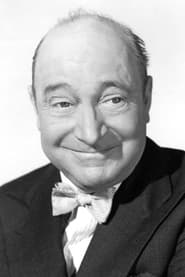
Eric Blore was an English character actor whose career bridged the stage, silent films, British sound cinema, and the Hollywood studio era. Born in London, he began his professional life on the stage and became known early for refined, slightly absurd, and impeccably timed comic delivery that made him a memorable fixture in light comedy. His screen career took hold in the 1920s and 1930s, and he became especially valued for his ability to play jewel thieves, valets, butlers, hotel clerks, and other polished comic supporting characters who could deliver dry wit with perfect poise. Blore moved to Hollywood and found a long and fruitful niche at major studios, where his English accent and urbane manner made him a favorite in sophisticated comedies, musicals, and adventure films. He worked with many of the era’s leading stars and directors, appearing in notable films such as Laughter, Trouble in Paradise, The Gay Divorcee, Top Hat, and, later, the Broadway Melody series and numerous supporting roles at RKO and MGM. His screen persona was so distinctive that he often stole scenes despite limited screen time, and he remained a reliable presence in classic film until the decline of his health in the 1940s. Blore’s work is remembered today as a model of elegant comic character acting in the early sound era.
More about Eric Blore
On screen
Blore specialized in precise, understated, and highly mannered comic acting, often using a dry, faintly sardonic delivery that made even minor roles feel memorable. He excelled at drawing laughs without broad mugging, relying instead on impeccable timing, cultivated manners, and the contrast between his refined exterior and the comic absurdity of the situations around him. His style was especially effective in sophisticated comedies where he could play the straight-faced interrupter, world-weary servant, or slippery confidence man. He had a gift for quick verbal reactions, small physical business, and the sly glance that signaled he understood more than the other characters. In the talkie era, his voice and accent became key tools in shaping an instantly recognizable comic persona.
In film history
Eric Blore helped define the polished British comic supporting-player archetype in early Hollywood sound cinema. At a time when studios valued distinctive character types, he became one of the most reliable sources of wit, class-conscious humor, and dry repartee in sophisticated comedies and musicals. His performances contributed to the texture of classic films by making servant roles, clerks, and minor officials feel lively and memorable rather than merely functional. In the Lubitsch and Astaire-Rogers pictures especially, his presence helped establish the witty, cosmopolitan atmosphere that became part of the appeal of 1930s studio comedy. He represents an important tradition of supporting performance in which restraint, diction, and timing mattered as much as star charisma.
Later reputation
Blore's legacy lies in his status as one of the quintessential comic character actors of early sound cinema. He is remembered by film historians and classic-movie audiences as a performer who could elevate a scene with a few lines and an expertly calibrated expression. His work in prestigious studio comedies remains a touchstone for the use of supporting players to create tone, rhythm, and sophistication within mainstream Hollywood filmmaking. Although he was never a top-billed star, his face and voice are preserved in some of the era's most beloved films, ensuring that his contribution to classic cinema remains visible and admired. He stands as an example of how a specialist character actor can become indispensable to the style and success of an entire film era.
Influence
Blore influenced later generations of character actors who specialized in dry, urbane comic support roles, particularly in British-influenced Hollywood comedy. His performances demonstrated how precise diction, controlled physicality, and an unflappable presence could be used for comic effect without broad exaggeration. The polished valet, clerk, or sidekick type he often played became a durable screen convention, especially in films seeking a civilized, witty tone. While he did not found a school of acting in any formal sense, his body of work offers a model for understated scene-stealing that is still studied and appreciated by actors and classic-film enthusiasts.
Off screen
Eric Blore maintained a relatively private personal life compared with many of his contemporaries, and surviving public records focus more on his stage and screen work than on domestic details. He was married, but comprehensive details about his spouse and family are not consistently documented in widely available film-reference sources. Like many supporting actors of his generation, he appears to have lived largely outside the publicity machinery reserved for stars, which has left his private life less fully recorded. What is clear is that he spent much of his life working in entertainment on both sides of the Atlantic and was associated with the professional world of theatre and film rather than celebrity culture.
Education
Specific formal education is not widely documented in standard film reference sources; he was primarily shaped by stage experience and practical theatrical training rather than a prominently recorded academic background.
Credits
- Established himself as a stage performer before moving into screen acting, bringing polished comic timing from the theatre to film.
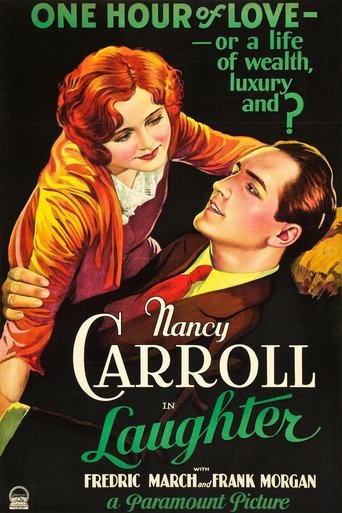
- Appeared in the early talkie Laughter (1930), helping define his screen reputation in sophisticated comedy.
- Became a favorite supporting player in Paramount and RKO comedies, often cast as elegant servants, clerks, and sly side characters.
- Delivered one of his most celebrated performances in Ernst Lubitsch's Trouble in Paradise (1932), one of the classic comedies of the era.
- Appeared in major Astaire-Rogers musicals including The Gay Divorcee (1934) and Top Hat (1935), where his comic presence enhanced the glamour and wit of the films.
- Built a durable Hollywood career as a versatile character actor in both light comedy and adventure pictures.
- Worked steadily across the 1930s and 1940s in studio productions, becoming one of the recognizable English supporting actors of the period.
Roles
- The elegant valet or butler with a dry sense of humor
- The urbane clerk or hotel employee who turns out to be slyly comic
- The refined supporting schemer in sophisticated comedy
- The impeccably mannered English side character in Hollywood musicals and comedies
Films
- Laughter (1930)
- Trouble in Paradise (1932)
- The Gay Divorcee (1934)
- Top Hat (1935)
- The Affairs of Annabel (1938)
- The Bachelor Mother (1939)
Collaborators
- Ernst Lubitsch
- Fred Astaire
- Ginger Rogers
- William Powell
- Myrna Loy
- Maurice Chevalier
- Kay Francis
Studios
- Paramount Pictures
- RKO Radio Pictures
- Metro-Goldwyn-Mayer
- Warner Bros.
Family
- Name not consistently documented in available classic film reference sources
Notes
- He was born in London and became one of the most recognizable English comic supporting players in Hollywood.
- Blore was especially adept at playing butlers, valets, and hotel employees, roles that suited his refined manner and dry humor.
- He appeared in Laughter (1930), which helped establish his early screen identity in the sound era.
- He was a favorite in Ernst Lubitsch comedies, a director known for sophisticated wit and elegant ensemble casting.
- His roles in The Gay Divorcee and Top Hat placed him in two of the most enduring Astaire-Rogers musicals.
- He often made a strong impression in very little screen time, a hallmark of classic character acting.
- His screen persona depended heavily on his distinctive voice, which became an asset after the arrival of sound films.
- He worked in both British and American productions, reflecting the transatlantic nature of many character actors' careers in the 1930s.
- Though not a major star, he became a familiar face to audiences of studio-era comedies and musicals.
- His performances are often cited as examples of elegant, scene-stealing supporting work in classic Hollywood.
Questions
Who was Eric Blore?
Eric Blore was a British character actor best known for his polished comic supporting roles in classic films of the 1930s and 1940s. He specialized in playing butlers, valets, clerks, and other refined figures with dry wit and impeccable timing.
What films is Eric Blore best known for?
He is especially remembered for Laughter (1930), Trouble in Paradise (1932), The Gay Divorcee (1934), and Top Hat (1935). He also appeared in several other well-known studio comedies and musicals, where his supporting turns were often scene-stealing.
When was Eric Blore born and when did he die?
Eric Blore was born on December 23, 1887, in Paddington, London, England. He died on March 2, 1959.
What awards did Eric Blore win?
No major awards or formal nominations are widely documented for Eric Blore. His recognition was primarily artistic and historical, as one of the memorable supporting comic actors of the classic studio era.
What was Eric Blore's acting style?
Blore's style was elegant, dry, and highly controlled, with an emphasis on verbal timing and subtle facial expression rather than broad physical comedy. He excelled at suggesting worldly sophistication and comic reserve, which made him ideal for refined Hollywood comedies.
Why is Eric Blore important to film history?
He helped define the sophisticated supporting-player tradition in early sound cinema, especially in films that depended on wit, class contrast, and ensemble balance. His performances added texture and charm to several enduring classics, making him a key figure in the era's comic character acting.
Was Eric Blore mainly a stage actor or a film actor?
He began on the stage and brought strong theatrical skills to film, but he is best remembered today for his screen work. His career is a good example of a stage-trained performer who found a perfect fit in early sound cinema.