Ollie Burgoyne
Actor
- Active
- 1930-1930
Films 1
About Ollie Burgoyne
Ollie Burgoyne was a British-born performer best remembered as a dancer, entertainer, and stage personality whose screen work extended into the early sound era. He is associated with the early 1930s film world chiefly through an appearance in the British talkie Laughter (1930), which places him among the many vaudeville and theatrical performers who moved into cinema as sound films created new opportunities for musical and variety talents. Available records suggest that Burgoyne's career was rooted more strongly in live performance than in screen acting, and his filmography appears to be very limited, making him a rare example of a performer whose cinematic footprint is small but historically interesting. Because documentation on his life is sparse, many standard biographical details such as precise birth and death information are not reliably established in widely available film references. His significance lies less in a long list of film credits than in his connection to the transitional period when stage artists, dancers, and specialty acts were drawn into early talkies. In classic cinema history, he represents the kind of performer whose screen appearance captured the broader entertainment culture of the time, even when the individual career itself remained largely off the Hollywood mainstream. His presence in Laughter places him within the world of early sound film experimentation and the cross-pollination between theater, revue, music hall, and motion pictures.
More about Ollie Burgoyne
On screen
Ollie Burgoyne appears to have been a performer whose screen presence was shaped by stage and variety traditions rather than by psychologically naturalistic film acting. In the early sound era, performers like Burgoyne often relied on polished timing, physical expressiveness, and musical or dance-oriented presentation that translated from live theater to film. Because surviving documentation of his on-screen work is limited, a more precise description of his technique cannot be verified, but his background strongly suggests a performer comfortable with presentation, rhythm, and theatrical flair. His style would have fit the transitional period in which early sound films frequently showcased stage-trained artists.
In film history
Ollie Burgoyne's cultural impact is modest in terms of screen visibility, but he is historically significant as part of the early talkie ecosystem that brought stage and variety performers into film. Performers like Burgoyne helped populate the sound era with voices, movement, and specialty entertainment that distinguished early talkies from silent cinema. Even a small screen credit can be valuable to historians because it documents the fluid boundary between theater and film in the 1930s. His presence in Laughter contributes to our understanding of how British sound cinema drew on established live-performance traditions to enrich its productions. In that sense, Burgoyne is representative of a wider entertainment culture rather than a singular star persona.
Later reputation
Ollie Burgoyne's legacy rests mainly in film-historical documentation rather than in widespread popular remembrance. He survives in the record as one of the many performers whose brief screen appearances illuminate the transition from stage-based entertainment to early sound films. For researchers, such figures are important because they reveal the casting practices and performance ecology of the era. Although his filmography is small, his inclusion in a notable early talkie gives him a place in the broader story of British cinema's adaptation to sound. His legacy is therefore archival and contextual: he helps illustrate how classic cinema incorporated seasoned live performers into its new technological world.
Influence
There is no strong evidence that Ollie Burgoyne directly influenced major film actors or directors in a documented, personal sense. His influence is better understood indirectly, through the broader example of stage and variety artists who helped shape early sound-film performance norms. By participating in a 1930 talkie, he stood among the performers whose stage-honed delivery and physical poise informed the aesthetics of the period. Such performers helped set expectations for screen entertainment that blended dialogue, movement, and theatrical polish. His contribution is thus part of an ensemble influence on early sound-era style rather than a singularly traceable mentorship lineage.
Off screen
Publicly available biographical information about Ollie Burgoyne's personal life is extremely limited. Standard reference sources do not consistently provide verified details about marriages, family background, residence, or private life. As a result, any attempt to describe his personal relationships in detail would be speculative rather than factual. What can be said with confidence is that he belonged to the broad class of early 20th-century entertainers whose careers were often documented through performance records rather than extensive biographical publicity. His private life remains largely absent from the surviving film-historical record.
Credits
- Appeared in the early British sound film Laughter (1930), his best-documented screen credit
- Worked during the pivotal transition from silent-era performance traditions to early talkies
- Represents the migration of stage and variety entertainers into cinema during the sound era
Roles
- Performer in Laughter (1930)
Films
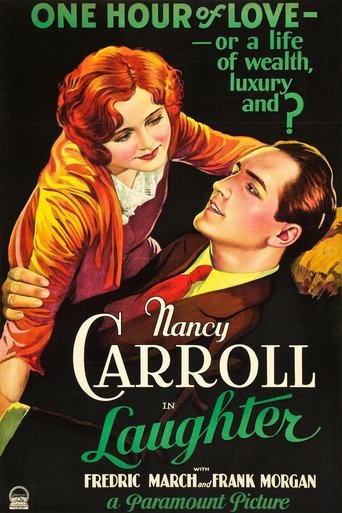
- Laughter (1930)
Studios
- Associated with British early sound cinema through Laughter (1930)
Notes
- Ollie Burgoyne is best documented for a single early sound-era film appearance rather than a long screen career.
- His name is associated with Laughter (1930), an early British talkie that emerged during cinema's transition to synchronized sound.
- He appears to have been more closely connected to stage or variety entertainment than to mainstream film stardom.
- Because surviving biographical data are sparse, he is one of many classic-era performers whose life story is not fully reconstructed in modern databases.
- His screen presence is historically useful for illustrating how early sound films recruited performers from theatrical backgrounds.
- He is an example of a classic cinema personality whose significance lies in documentation of the era rather than in celebrity longevity.
- Available sources do not reliably confirm his birth or death dates, making him a challenge for film historians and database compilers.
- His filmography, as currently documented, suggests a very narrow but era-specific career window.
Questions
Who was Ollie Burgoyne?
Ollie Burgoyne was a British performer associated with early cinema, best documented as an actor or stage entertainer who appeared in Laughter (1930). Surviving information suggests that he was likely rooted in live performance traditions such as theater or variety entertainment. His screen career appears to have been limited, but he remains notable as part of the early sound-film era.
What films is Ollie Burgoyne best known for?
He is best known for Laughter (1930), which is the principal screen credit associated with his name in available records. No broader filmography is consistently documented in major reference sources. As a result, his reputation in film history rests primarily on that single early talkie appearance.
When was Ollie Burgoyne born and when did he die?
Reliable public records available to standard film references do not consistently provide verified birth or death dates for Ollie Burgoyne. Likewise, his birth and death places are not firmly established in the accessible record. He remains a somewhat obscure classic-era performer whose precise vital details are difficult to confirm.
What awards did Ollie Burgoyne win?
No awards or major nominations are documented for Ollie Burgoyne in the available classic cinema record. He does not appear to have been a recipient of major industry honors in the surviving sources. His historical importance is therefore based more on his participation in early sound cinema than on formal awards recognition.
What was Ollie Burgoyne's acting style?
Based on the era and his likely stage background, Burgoyne's screen manner would have been shaped by theatrical and variety-performance traditions. That typically meant a strong sense of timing, physical expressiveness, and polished stage presence suited to early talkies. Because detailed reviews and documentation are scarce, a more specific assessment cannot be firmly verified.
What is Ollie Burgoyne's legacy in film history?
His legacy is primarily archival and historical: he represents the many stage and variety performers who appeared in early sound films. Even a small screen credit can be important in understanding how British cinema absorbed live-entertainment talent during the transition to talkies. For historians, Burgoyne helps illustrate the diversity of performers working in classic-era film culture.