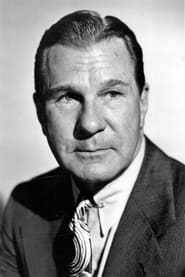
Glenn Anders
Actor
- Born
- May 29, 1898, St. Joseph, Missouri, USA
- Died
- February 15, 1981
- Active
- 1930-1930
- Birth name
- William Andrews
Films 1
About Glenn Anders
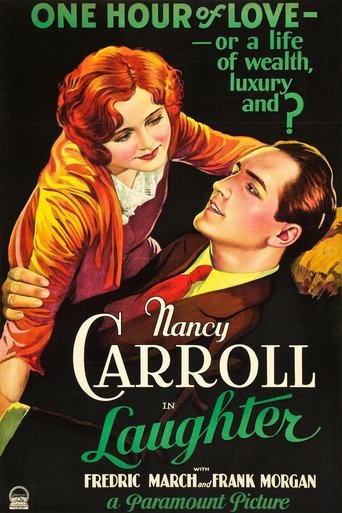
Glenn Anders was an American stage and screen actor best remembered today for his work in the early sound era, especially his performance in Paul Fejos's 1930 film Laughter. Born William Andrews to a theatrical family, he came from a background that gave him an early familiarity with performance and the stage, and he used his strong presence and distinctive voice to make the transition into talking pictures. Anders is most closely associated with sophisticated, urban comedies and dramas of the early 1930s, where his polished manner and sometimes sardonic screen persona suited the new dialogue-driven style of filmmaking. Although his film career was comparatively brief and he did not become a major long-term star, he made a memorable impression in supporting roles and in character parts that required intelligence, wit, and a slightly detached glamour. He also worked in theatre, which remained an important part of his professional identity and helped shape his screen technique. Anders's screen appearances are today valued by classic-film historians for the way they preserve the transitional style of an actor who bridged late silent-era theatricality and early talkie naturalism. Because his filmography is small and his later life was spent largely out of the spotlight, many biographical details remain limited in standard reference sources.
More about Glenn Anders
On screen
Glenn Anders's screen style appears to have been shaped by stage discipline, clean diction, and a refined, somewhat ironic presence that fit the early talkies. He projected intelligence and urban sophistication rather than broad physical comedy or highly emotional display, which made him well suited to the conversational rhythm of 1930s drama and comedy. His performances suggest a controlled, lightly theatrical approach that still adapted to the more intimate requirements of sound film.
In film history
Glenn Anders's cultural impact lies less in celebrity status than in what he represents within early sound cinema: the class of trained performers who helped shape the tonal shift from silent film to dialogue-driven storytelling. His presence in Laughter places him among the actors who contributed to the polished, cosmopolitan mood of early 1930s screen comedy and drama. For modern viewers and historians, his work is valuable as a record of acting styles in transition, when theatrical polish, vocal clarity, and screen intimacy were being renegotiated by the new technology of sound. Even though he was not a marquee name, he remains part of the fabric of classic Hollywood's formative talkie period.
Later reputation
Glenn Anders's legacy rests primarily on preservation through film history rather than on a long list of starring vehicles. He is remembered as one of the many capable actors whose limited screen output still enriched the early sound era with style and professionalism. For cinephiles, his appearances help illustrate the diversity of talent that moved between stage and screen during the early 1930s, when Hollywood was actively absorbing performers with theatrical training. His surviving film work continues to give scholars insight into the performance conventions of the period and the kinds of supporting players who helped define the texture of classic cinema.
Influence
Anders's influence was likely indirect rather than widely documented: he stands as an example of the stage-trained character actor whose mannered precision and vocal control helped establish early talkie acting norms. Performers of his type influenced the casting and style of ensemble films by demonstrating how supporting players could add sophistication and verbal nuance to a production. His career also reflects a broader influence of Broadway-trained talent on Hollywood's sound transition, which shaped generations of film acting.
Off screen
Glenn Anders was born William Andrews and came from a family with theatrical connections, which likely influenced his early interest in performance. Standard film-reference sources provide relatively little detail about his private life, and he does not appear to have been a major Hollywood celebrity whose marriages, family life, or domestic affairs were widely publicized. As a result, much of his personal history remains obscure compared with his professional associations and stage-to-screen transition. Available evidence suggests that his life was more closely tied to the performing arts than to the publicity culture of stardom.
Education
No reliable, widely cited information on his formal education is available in standard classic-cinema references.
Credits
- Appeared in Paul Fejos's Laughter (1930), the film for which he is most often remembered
- Worked in the early sound era, a period that rewarded theatrical performers with clear diction and strong vocal delivery
- Built a reputation as a stylish character player in urban, dialogue-centered cinema
- Maintained a parallel connection to the stage, reflecting the common crossover between Broadway and early Hollywood in the talkie era
- Represents the type of actor whose brief screen career left a lasting impression on classic-film scholarship despite limited filmography
Roles
- A supporting role in Laughter (1930)
Films
- Laughter (1930)
Collaborators
- Paul Fejos
Studios
- Early sound-era film production in Hollywood
- Independent and studio-produced features of the 1930s
Notes
- His birth name was William Andrews, while Glenn Anders was his professional name.
- He is especially associated with just one widely cited film credit, Laughter (1930).
- His career is a reminder that many early talkie performers had strong stage backgrounds.
- Because his filmography is so limited, he is often discussed by film historians rather than general audiences.
- He was active right at the moment Hollywood was adapting to synchronized sound.
- Reference sources on him are comparatively sparse, making him one of the more obscure figures from the early 1930s.
Questions
Who was Glenn Anders?
Glenn Anders was an American actor from the early sound era, best remembered for appearing in Laughter (1930). He was born William Andrews and worked at the intersection of stage performance and early Hollywood cinema.
What films is Glenn Anders best known for?
He is primarily known for Laughter (1930), the film most often cited in his screen career. His limited filmography means that this title remains the central reference point for his work in classic cinema.
When was Glenn Anders born and when did he die?
He was born on May 29, 1898, in St. Joseph, Missouri, USA, and died on February 15, 1981. His life spanned the major transformation from silent film to the modern era of cinema.
What awards did Glenn Anders win?
No major awards or nominations are documented for Glenn Anders in standard reference sources. He is better remembered for his contribution to early talkie film culture than for formal honors.
What was Glenn Anders's acting style?
His style appears to have been stage-trained, articulate, and restrained, with an emphasis on vocal clarity and polished presence. That made him well suited to early sound films, which often favored performers who could deliver dialogue with precision and confidence.
What was Glenn Anders's legacy in film history?
His legacy is that of a capable early talkie performer whose brief screen career still helps document the transition from silent-era acting to sound-era naturalism. He remains of interest to historians because actors like him shaped the texture and professionalism of early 1930s Hollywood.