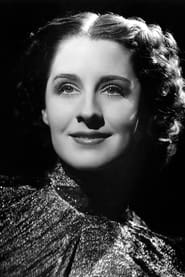
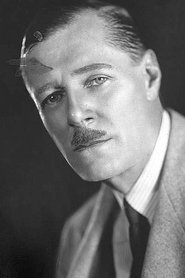
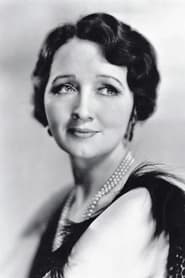
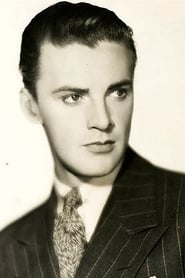
1930 · 78 minutes

Also available on: Wikimedia
Let Us Be Gay

Let Us Be Gay

1930 78 minutes United States

"The woman he cast aside returned as the woman he could not resist."

Marital disillusionment and divorceFemale reinvention and self-respectSocial class and performanceRomantic ironyHypocrisy versus authenticity

Plot

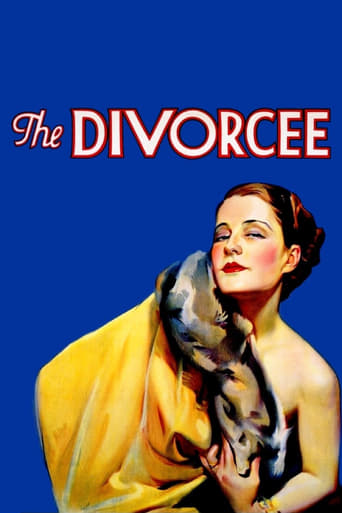
Kitty Evans is a devoted but long-suffering wife whose marriage to the selfish and socially ambitious Bob suffers under his neglect and infidelities. After enduring humiliation and disappointment, she divorces him and later spends time abroad, where she is transformed into an elegant, polished woman with confidence and taste. Years later, Kitty returns to society and attends a high-society gathering where Bob is now courting another woman, unaware that the refined, glamorous guest he is admiring is the former wife he discarded. The reunion turns into a sharp comedy of manners as Kitty quietly reclaims her dignity, exposing Bob's shallowness and forcing everyone to confront the difference between outward style and true character. The story ultimately becomes a reconciliation drama in which personal growth, social performance, and romantic regret intersect.

About the Production

Release Date 1930-12-13
Production Metro-Goldwyn-Mayer
Filmed In MGM studios, Culver City, California

Let Us Be Gay was produced during MGM's early sound period, when the studio was refining its sophisticated domestic comedies and star vehicles for Norma Shearer. The film is based on a stage play, and the adaptation reflects the era's taste for witty marital satire, fashionable settings, and elegant visual presentation. As with many early-1930 productions, the dialogue-heavy format emphasizes performance and repartee over action, while the film's modern style and high-society trappings were designed to showcase Shearer's glamour persona. MGM positioned the film as an upscale comedy-drama, and the production benefited from the studio's reputation for polished sets, wardrobe, and supporting players such as Marie Dressler.

Historical Background

Let Us Be Gay was produced at the beginning of the 1930s, a transitional moment in Hollywood when synchronized sound had become established but filmmakers were still learning how to stage and photograph dialogue-driven stories effectively. The film belongs to the pre-Code era, before the strict enforcement of the Production Code in mid-1934, which allowed it to touch on divorce, social hypocrisy, and marital dissatisfaction with a candor that later films often softened. It also reflects Depression-era audience appetites for fantasies of reinvention, status reversal, and stylish escape, especially in stories where a woman can recover from romantic humiliation and re-enter society on her own terms. Within MGM's output, the film fits the studio's cultivation of sophisticated adult entertainment that combined glamour, wit, and moral reassurance.

Why This Film Matters

The film is significant as part of Norma Shearer's star canon and as an example of how early sound cinema adapted stage-derived social comedy into a vehicle for female-centered performance. Its storyline of a discarded wife becoming socially superior to her former husband resonated with audiences in an era fascinated by modern marriage, female independence, and the performance of class identity. The picture also helps illustrate pre-Code Hollywood's willingness to portray divorce not as taboo but as a premise for wit, transformation, and emotional agency. While not among the most famous titles of the era, it contributes to the historical record of MGM's polished women-driven dramas and remains useful for understanding early 1930s screen representations of marriage, fashion, and social climbing.

Making Of

The film was made at a moment when MGM was building vehicles that could display Norma Shearer's range beyond melodrama, and Let Us Be Gay uses a socially elegant premise to let her play both the wounded ex-wife and the transformed society woman. Because it comes from a stage property, the production leans heavily on dialogue, timing, and controlled ensemble scenes rather than elaborate spectacle. Robert Z. Leonard's direction emphasizes polished pacing and glossy surfaces, while the studio's wardrobe and art departments help make Kitty's change in status visually convincing. The casting of Marie Dressler also reflects MGM's practice of pairing glamour with character comedy, giving the film emotional texture and a broader tonal range.

Visual Style

The film's visual style is characteristic of early MGM sound production: carefully composed interior scenes, elegant decor, and lighting designed to flatter the actors and emphasize the social refinement of the setting. Because early microphones limited camera movement, much of the film is staged in relatively controlled setups, with attention paid to blocking and reaction shots that support the comedic dialogue. The contrast between Kitty's earlier domestic disappointment and her later polished appearance is enhanced through costume, framing, and production design rather than through elaborate visual effects. The result is a clean, studio-bound aesthetic that prioritizes clarity, glamour, and the nuances of performance.

Innovations

The film is not known for major technical innovation, but it is notable as a competent early sound production that demonstrates MGM's growing confidence in dialogue staging and ensemble presentation. Its achievement lies in integrating stage-derived material into a smooth screen flow while preserving the wit and social nuance of the original premise. The production also reflects the studio's skill in using costume, sets, and lighting to signal character transformation in a way that early sound cinema could easily communicate. In that sense, it is representative of the technical refinement of studio filmmaking at the dawn of the 1930s.

Music

As an early sound film, Let Us Be Gay relies primarily on spoken dialogue and diegetic music appropriate to social gatherings and domestic scenes. No separately credited original musical score is prominently associated with the film in standard references, and the soundtrack is typical of MGM features of the period in that it supports mood rather than functioning as a major standalone element. Music cues would have been used sparingly to underscore transitions and high-society atmosphere, consistent with early 1930s studio practice. The emphasis remains on dialogue rhythm, vocal performance, and the crisp delivery of repartee.

Memorable Scenes

  • Kitty's glamorous reappearance at the society party, where her former husband fails to recognize the transformed woman he once ignored.
  • The tense yet witty social exchanges that turn a private marital history into public embarrassment for Bob.
  • The visual contrast between Kitty's earlier domestic role and her later polished entrance as a confident socialite.
  • Marie Dressler's scenes that add humor and humanity to the film's otherwise sleek, sophisticated tone.

Did You Know?

  • Let Us Be Gay is an early sound-era MGM vehicle tailored to Norma Shearer's transition from silent stardom to talking-picture sophistication.
  • The film is adapted from the play The Marquise by Edward Knoblock, reflecting the period's frequent reuse of stage successes for prestige screen productions.
  • It pairs Norma Shearer with Rod La Rocque in a story built around marital irony, reinvention, and social revenge.
  • Marie Dressler appears in one of her famous late-career supporting roles, adding comic warmth and emotional ballast to the film.
  • The picture was directed by Robert Z. Leonard, who helmed numerous MGM features starring Shearer and was especially associated with glamorous women-centered dramas and comedies.
  • The film was released in the same year as several influential pre-Code productions, and its frank treatment of divorce, remarriage, and social maneuvering fits the period's more permissive tone.
  • The title's suggestive phrasing was part of the early 1930s trend toward lightly risqué or double-edged studio titles designed to catch audience attention.
  • The film presents fashion and self-presentation as central dramatic devices, with the heroine's transformation serving as both plot point and visual payoff.
  • As an MGM production, it reflects the studio's house style of elegant interiors, carefully staged social scenes, and polished dialogue-centered storytelling.
  • The movie survives as part of the classic MGM pre-Code era and remains of interest to scholars of Shearer's star image and early sound comedy-drama.

What Critics Said

Contemporary reviews generally treated the film as an agreeable, well-made MGM entertainment, with praise often directed at Norma Shearer's poise and the production's polished look rather than at bold originality. Critics tended to note the familiarity of the plot, since the stage-origin premise and reversal-of-fortune structure were already common in sophisticated marital comedies. Later reassessments place the film within the pre-Code cycle of elegant divorce comedies and value it more for its star performances, period mood, and glimpse of MGM style than for narrative innovation. Modern viewers and historians often regard it as a solid but not canonical entry in Shearer's filmography, interesting especially for its tonal mix of wit, glamour, and emotional self-recovery.

What Audiences Thought

Audiences of the early sound era were generally receptive to polished adult comedies that offered fashion, romance, and social aspiration, and this film fit comfortably into that market. Its appeal likely rested on Norma Shearer's screen presence and the pleasurable satisfaction of watching a wronged woman outclass the husband who mistreated her. The story's blend of glamour and mild comeuppance would have suited Depression-era moviegoers looking for escapist yet emotionally legible entertainment. While it was not a blockbuster landmark, it was the kind of MGM feature that could draw respectable interest through star power, reputable production values, and a crowd-pleasing reversal of power.

Film Connections

Influenced By

  • Edward Knoblock's stage play The Marquise
  • Stage comedies of marital reversal and social satire
  • Early 20th-century boulevard comedy and drawing-room drama

This Film Influenced

  • Later MGM sophisticated comedies centered on female reinvention
  • Subsequent divorce-and-remarriage comedies of the 1930s
  • Socialite makeover stories in classic Hollywood

Film Restoration

The film is preserved and survives as part of the MGM classic film library; it is not considered lost. It has circulated in home-video and archive contexts, though availability varies by distributor and streaming service. As with many early 1930s studio films, the print quality may differ depending on source, but the film remains accessible to historians and collectors.

Themes & Topics