
William H. O'Brien
Actor
Born: January 17, 1883 in Oakland, California, USA Died: October 15, 1936 Active: 1915-1930 Birth Name: William Henry O'Brien
Films
7 films
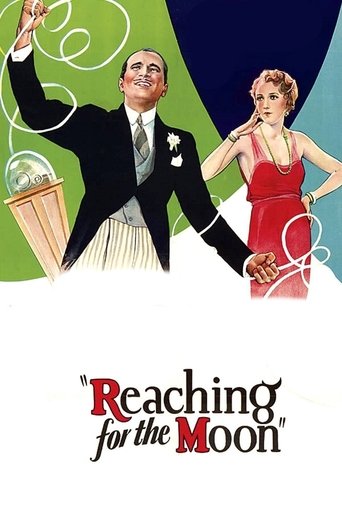
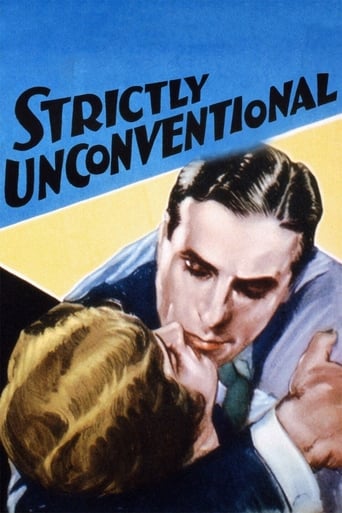

About William H. O'Brien
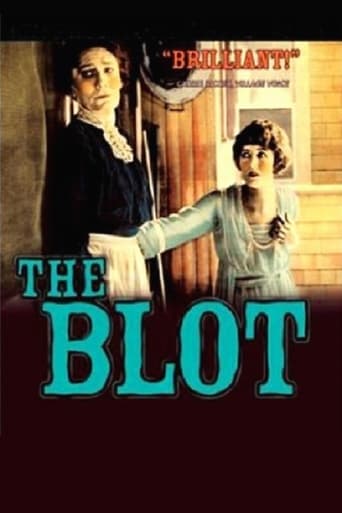
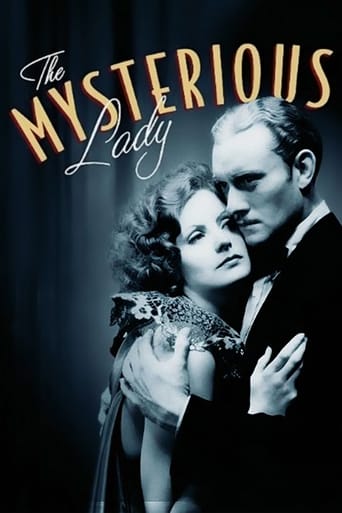
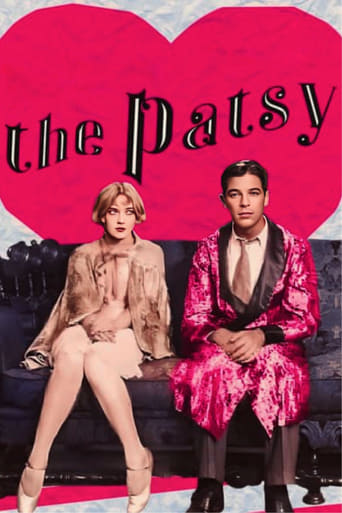
American character actor who flourished during the silent film era, appearing in over 200 films between 1915 and 1930. Born in the late 19th century, O'Brien established himself as a reliable supporting player in Hollywood's golden age of silent cinema, often portraying authority figures such as policemen, judges, doctors, and government officials. His distinctive appearance, typically featuring a mustache and formal attire, made him instantly recognizable to audiences of the era. O'Brien worked with some of the biggest stars of the period, including Mary Pickford, Douglas Fairbanks, and Greta Garbo. William appears in notable films such as 'The Blot' (1921) directed by female filmmaker Lois Weber, 'The Mysterious Lady' (1928) starring Greta Garbo, and 'The Patsy' (1928) featuring Marion Davies. Like many silent film actors, O'Brien's career declined with the advent of sound films, though he did appear in a few early talkies before retiring from acting. His filmography represents a significant cross-section of American silent cinema, working across various genres from melodramas to comedies.
The Craft
On Screen
O'Brien specialized in playing authoritative figures with a dignified, formal presence. His acting style was typical of the silent era, relying heavily on facial expressions, gestures, and body language to convey emotion and character. He often played stern but fair authority figures, bringing gravitas to supporting roles that required little dialogue but significant screen presence. His performances were characterized by a certain reliability and professionalism that made him a favorite among directors needing dependable character actors.
Milestones
- Appeared in over 200 silent films
- Worked with director Lois Weber
- Supported major stars like Greta Garbo and Marion Davies
- Transitioned briefly into early sound films
- Established himself as a recognizable character actor in Hollywood
Best Known For
Iconic Roles
Must-See Films
Working Relationships
Worked Often With
Studios
Why They Matter
Impact on Culture
William H. O'Brien represents the essential but often overlooked character actors who formed the backbone of silent era cinema. While never a star, his consistent presence in hundreds of films helped establish the visual language of American silent cinema. His work with female director Lois Weber contributed to some of the most progressive films of the era. O'Brien's career trajectory also illustrates the challenging transition many silent film actors faced with the advent of sound technology, as his particular style and typecasting became less relevant in the new era of talking pictures.
Lasting Legacy
William H. O'Brien's legacy lies in his contribution to the silent era Hollywood. His extensive filmography serves as a valuable record of the types of supporting characters that populated American cinema during its formative years. Film historians and silent cinema enthusiasts recognize him as part of the essential ensemble of actors who brought depth and authenticity to the films of the 1910s and 1920s. While not a household name, his work continues to be appreciated by those who study and preserve classic American cinema.
Who They Inspired
As a character actor, O'Brien influenced subsequent generations of supporting players by demonstrating the importance of reliability and professionalism in the film industry. His ability to consistently deliver believable performances in relatively small roles set a standard for character actors who followed. His work in establishing recognizable character types helped create the visual shorthand that would continue to be used in Hollywood films for decades to come.
Off Screen
William H. O'Brien led a relatively private life away from the Hollywood spotlight. He was married to actress Claire McDowell, with whom he frequently appeared on screen. The couple had one child together. O'Brien was known among his colleagues as a dependable professional who took his craft seriously. Despite appearing in numerous films, he never achieved stardom status but maintained a steady career as a respected character actor. He passed away in 1936 at the age of 53, shortly after the transition to sound films had effectively ended his career in motion pictures.
Family
- Claire McDowell (1915-1936)
Did You Know?
- Often credited simply as William O'Brien or Bill O'Brien in film credits
- Appeared in more films in a single year (1928) than many actors appear in their entire careers
- Worked with both Douglas Fairbanks and Mary Pickford, the biggest stars of their era
- His wife Claire McDowell was also a prolific silent film actress
- Many of his films are now considered lost, a common fate for silent era productions
- He frequently played multiple roles in the same film, a common practice for reliable character actors
- His last film appearance was in 1930, effectively ending his career with the transition to sound
- He was one of the few actors who worked consistently across multiple major studios
- His distinctive mustache became his trademark in silent films
- He often served as an unofficial mentor to younger actors on set
Frequently Asked Questions
Who was William H. O'Brien?
Screen credits include over 200 silent films between 1915 and 1930. He was known for playing authority figures such as policemen, judges, and doctors, working with major stars like Greta Garbo and Marion Davies throughout the silent era.
What films is William H. O'Brien best known for?
Titles linked here include The Blot (1921), The Mysterious Lady (1928).
When was William H. O'Brien born and when did he die?
Born January 17, 1883; died October 15, 1936.
What awards did William H. O'Brien win?
William H. O'Brien did not receive any major awards or nominations during his career. Like many character actors of the silent era, his contributions were recognized through steady employment rather than formal accolades.
What was William H. O'Brien's acting style?
O'Brien specialized in portraying authoritative figures with a dignified, formal presence typical of silent era acting. He relied on facial expressions, gestures, and body language to convey character, often playing stern but fair authority figures in supporting roles.
Did William H. O'Brien transition to sound films?
O'Brien made a brief transition to early sound films but his career effectively ended by 1930. Like many silent era actors, particularly those known for specific visual character types, he struggled to adapt to the new requirements of talking pictures.
Was William H. O'Brien married?
Yes, William H. O'Brien was married to actress Claire McDowell from 1915 until his death in 1936. McDowell was also a prolific silent film actress, and the couple appeared together in several films. They had one child, William O'Brien Jr.