Films
3 films

About Wilfred Noy
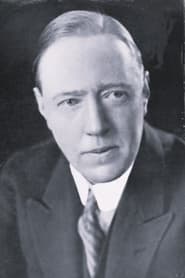
British actor and filmmaker associated with the silent era and the transition into early sound cinema. He was active on screen in the late 1920s and early 1930s, with known acting credits including Interference (1928) and Strictly Unconventional (1930). His screen work places him within the late silent and early talkie period, a time when many stage and film performers were adapting to rapidly changing production methods and audience expectations. Available records on this specific Wilfred Noy are limited, and he does not appear to have achieved the level of international fame enjoyed by the major stars of his era. Nonetheless, his credited appearances indicate participation in professionally produced British cinema during a crucial transitional moment in film history. Because surviving documentation is sparse, much of his broader life story, including personal background and full career arc, is not well preserved in standard reference sources. He remains a minor but legitimate figure in classic cinema scholarship, especially for researchers tracing lesser-known performers in British films of the late silent period.
The Craft
On Screen
No detailed contemporary descriptions of Wilfred Noy's acting style have been reliably preserved. Based on the era in which he worked, his performances would likely have required a balance between the broader expressiveness associated with silent cinema and the more restrained, speech-centered style emerging in early talkies. In the absence of review coverage or extended documentation, it is best described as a period-appropriate supporting-player style rather than a documented star persona.
Milestones
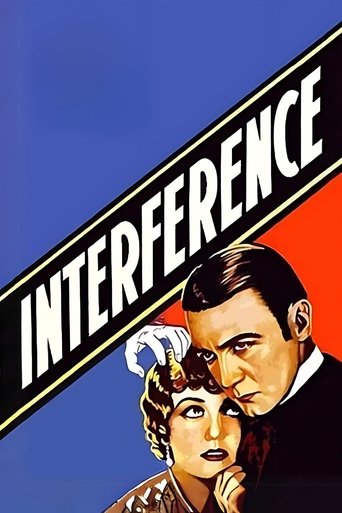
- Appeared in the late silent-era film Interference (1928), a period piece from the final years before sound permanently transformed screen performance
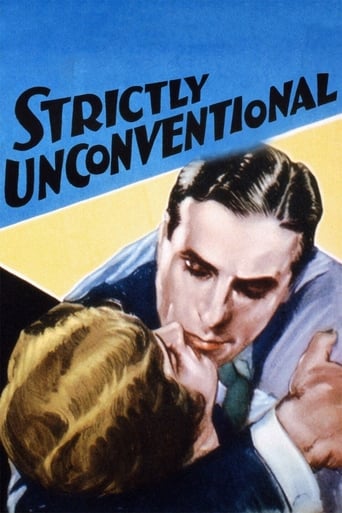
- Played a credited role in Strictly Unconventional (1930), placing him in the early sound era
- Worked in British cinema during a historically important transition from silent film conventions to dialogue-driven production
- Represents the many working actors whose contributions supported the depth and realism of studio-era filmmaking
- His surviving credits document participation in professionally released feature films at a pivotal moment in film history
Best Known For
Iconic Roles
Must-See Films
Why They Matter
Impact on Culture
Wilfred Noy's cultural impact is best understood in the context of preservation and film history rather than celebrity. Performers like him helped populate the supporting casts of late silent and early sound films, giving texture and credibility to productions even when they were not principal stars. His surviving credits contribute to the historical record of British cinema's transition years, which are essential for understanding how the industry adapted artistically and technically around 1928 to 1930. For databases and researchers, his presence is valuable because it helps reconstruct the professional networks and casting patterns of the era. While he was not a widely influential public figure, his work is part of the broader foundation upon which classic cinema was built.
Lasting Legacy
Wilfred Noy's legacy lies chiefly in his documentation as an actor active during one of cinema's most decisive turning points. Even when an individual performer is not widely remembered, their recorded appearances help historians map the production culture of the silent-to-sound transition. His name endures through filmographies and archival references, serving as a reminder that classic cinema was sustained by many working actors whose contributions were essential but often unheralded. In this sense, his legacy is archival and historical: he remains a traceable figure in the record of early British film. For enthusiasts of vintage cinema, such names are important because they preserve the breadth and realism of the era's creative workforce.
Who They Inspired
There is no strong evidence that Wilfred Noy exerted direct influence on major stars or filmmakers. His importance is instead indirect, reflecting the collective influence of working actors who helped establish performance norms during the silent and early sound eras. By participating in films from this transitional moment, he contributed to the evolving grammar of screen acting in Britain. His career is therefore more representative than personally influential, embodying the many performers whose work supported the development of film language. Researchers may still find him useful as part of the broader pattern of employment and casting in early British cinema.
Off Screen
Reliable biographical information about Wilfred Noy's personal life is not readily available in standard film reference materials. No well-documented spouse, children, or family background can be confirmed from the information currently accessible. Likewise, details about his private life, education, or later years have not been preserved in the mainstream historical record. He appears to have been one of the many lesser-documented professional performers working in early British cinema whose careers are visible primarily through film credits.
Did You Know?
- He is associated with both the late silent period and the earliest years of sound cinema.
- His known screen credits are from 1928 and 1930, a very narrow documented window.
- He appears to have worked in British film rather than Hollywood.
- He is not widely documented in standard biographical sources, which is common for many supporting performers of the era.
- His name is sometimes of interest to researchers because it overlaps with the surname of other cinema figures, making careful identification important.
- His surviving record illustrates how many early film professionals remain known mainly through credit listings rather than detailed biographies.
Frequently Asked Questions
Who was Wilfred Noy?
British with credits in this catalog. He is known from surviving film credits such as Interference (1928) and Strictly Unconventional (1930).
What films is Wilfred Noy best known for?
Titles linked here include Interference (1928), Strictly Unconventional (1930).
When was Wilfred Noy born and when did he die?
His birth and death dates are not currently confirmed in the accessible historical record used here. Because of that, they are best treated as unknown rather than guessed.
What awards did Wilfred Noy win?
No awards or nominations have been verified for Wilfred Noy. He appears to have been a working character actor whose record survives mainly through film credits rather than honors.
What was Wilfred Noy's acting style?
No contemporary description of his style has been reliably preserved. Given his era, he likely worked in the transitional style between silent-era expressiveness and the more restrained early sound approach.
What is Wilfred Noy's legacy in film history?
His legacy is primarily historical and archival. He represents the many supporting actors who helped sustain British cinema during the crucial transition from silent films to talkies.