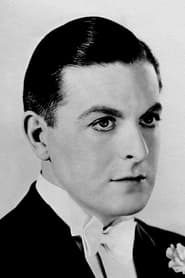
Henry Kendall
Actor
Born: May 7, 1897 in London, England Died: June 14, 1962 Active: 1927-1956 Birth Name: Henry William Kendall
Films
1 film
About Henry Kendall
British actor: three decades of British cinema, from the silent era through the golden age of British film. Born in London in 1897, he began his acting career on the stage before transitioning to films in the late 1920s. Kendall became particularly known for his portrayals of upper-class gentlemen, military officers, and professional men, bringing a natural elegance and refinement to his roles. His most productive period was the 1930s, where he appeared in numerous significant British films including adaptations of popular plays and novels. He worked alongside many of Britain's leading actors and directors of the era, establishing himself as a reliable character actor. Kendall continued acting through the 1940s and 1950s, though his roles became smaller as the British film industry evolved. His career concluded in the mid-1950s, leaving behind a legacy of memorable performances that captured the essence of British society cinema history.
The Craft
On Screen
Henry Kendall was known for his refined, naturalistic acting style that perfectly embodied the British upper-class archetype. He possessed a distinctive voice and manner that made him ideal for playing gentlemen, military officers, and professionals. His performances were characterized by understated elegance, precise diction, and a subtle emotional range that avoided melodrama. Kendall had the ability to convey authority and sophistication while maintaining approachability, making him a favorite among British directors. His technique was rooted in classical stage training, which gave his film performances a theatrical polish that was highly valued during the early sound era.
Milestones
- Breakthrough role in 'The Ghost Train' (1931)
- Notable performance in 'I Was a Spy' (1933)
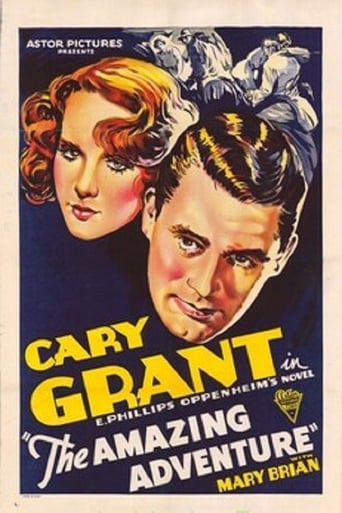
- Starred in 'The Amazing Quest of Ernest Bliss' (1936)
- Appeared in 'The Man Who Could Work Miracles' (1937)
- Worked with Alfred Hitchcock in early career
- Transitioned successfully from silent films to talkies
- Established reputation as a reliable character actor
Best Known For
Iconic Roles
Must-See Films
Working Relationships
Worked Often With
Studios
Why They Matter
Impact on Culture
Henry Kendall contributed significantly to the representation of British identity during the formative years of British cinema. His performances helped establish the archetype of the British gentleman on screen, influencing how British society was portrayed both domestically and internationally. During a period when British cinema was establishing its distinct identity separate from Hollywood, Kendall's work exemplified the values and characteristics that came to define British film. His ability to transition from silent films to talkies demonstrated the adaptability required of actors during this technological revolution in cinema. Kendall's body of work serves as a valuable record of British society and cultural values during the interwar period and World War II era.
Lasting Legacy
Henry Kendall's legacy lies in his substantial contribution to British cinema's golden age, particularly his role in defining the British character actor archetype. While never achieving international stardom, his consistent and reliable performances across numerous films helped establish the quality and reputation of British film production during the 1930s and 1940s. His work continues to be studied by film historians interested in the development of British cinema and the representation of British identity on screen. Kendall's filmography provides valuable insight into the social and cultural attitudes of mid-20th century Britain. His career serves as an example of the journeyman actor whose cumulative impact on cinema, while not always individually celebrated, was essential to the industry's development.
Who They Inspired
Henry Kendall influenced subsequent generations of British character actors through his embodiment of the gentleman archetype. His naturalistic approach to playing upper-class characters set a standard that many later British actors would emulate. Kendall demonstrated how subtlety and restraint could be powerful tools in character acting, particularly in representing British social types. His successful transition from stage to film, and from silent to sound cinema, provided a model for actors navigating the rapidly changing film industry of the early 20th century. While not widely known to modern audiences, his influence can be seen in the work of later British character actors who specialized in similar roles.
Off Screen
Henry Kendall was known to be a private individual who maintained a separation between his professional career and personal life. Born into a middle-class London family, he developed an interest in performing arts from an early age. During his career, he was respected by colleagues for his professionalism and dedication to his craft. Kendall never became a major star in the Hollywood sense, preferring to work within the British film industry where he could maintain a more balanced life. He was known among his peers as a reliable and gracious actor who brought dignity to every role he undertook.
Education
Trained in classical theatre and stage performance, though specific educational institutions are not documented in available records
Family
- Information not publicly available
Did You Know?
- Appeared in over 50 films during his career
- Began his career on the London stage before transitioning to film
- Worked during the pivotal transition from silent films to talkies
- Often typecast as upper-class gentlemen due to his natural bearing
- His most famous film 'The Amazing Quest of Ernest Bliss' was a British comedy
- Survived the transition to more realistic acting styles in post-war British cinema
- Never worked in Hollywood, remaining exclusively in British productions
- His active years covered nearly three decades of significant change in British cinema
- Known for his distinctive voice which was well-suited for early sound recording
- Continued acting into his late 50s, unusual for character actors of his era
Frequently Asked Questions
Who was Henry Kendall?
British with credits in this catalog. He successfully transitioned from silent films to talkies and appeared in over 50 films during his career.
What films is Henry Kendall best known for?
Titles linked here include The Amazing Quest of Ernest Bliss (1936), The Ghost Train (1931).
When was Henry Kendall born and when did he die?
Born May 7, 1897; died June 14, 1962.
What awards did Henry Kendall win?
There are no recorded major awards or nominations for Henry Kendall in available historical records. Like many character actors of his era, his contributions were primarily recognized through consistent employment rather than formal accolades.
What was Henry Kendall's acting style?
Henry Kendall was known for his refined, naturalistic style perfectly suited to playing British gentlemen and professionals. His performances were characterized by understated elegance, precise diction, and subtle emotional range that avoided melodrama while maintaining theatrical polish.
Did Henry Kendall work in Hollywood?
No, Henry Kendall never worked in Hollywood and remained exclusively in British productions throughout his career. He worked primarily with British studios like British International Pictures and Gaumont British.
How did Henry Kendall impact British cinema?
Henry Kendall helped establish the archetype of the British gentleman on screen during the formative years of British cinema. His consistent performances contributed to the quality and reputation of British film production during the 1930s and 1940s.