Emanuel Gregers
Actor
- Active
- 1914-1914
Films 1
About Emanuel Gregers
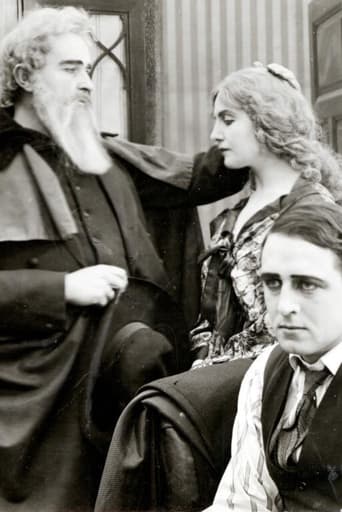
Emanuel Gregers was a Danish film figure associated with the very earliest years of Scandinavian cinema, and the available record suggests that he worked as an actor in the silent era before his name became more strongly linked with behind-the-camera work in Danish film history. His credited appearance in the 1914 production His Guilty Conscience places him among the generation of performers active during the formative years of feature filmmaking in Northern Europe, when film credits were often incomplete and many careers were only partially documented. Because surviving reference material on him is sparse, it is difficult to reconstruct a full acting career with certainty, and many later references to Gregers focus more generally on his involvement in Danish cinema than on a large surviving body of acting roles. What can be stated with confidence is that he belonged to the early silent-film environment in Denmark, a national cinema that was already internationally respected for its artistry, expressive acting, and sophisticated production values. His career therefore belongs to the pioneering period when performers helped define screen acting techniques before sound film standardized performance styles. As with many early Scandinavian film workers, his contributions are important less for a large preserved star persona than for his place in the establishment of Denmark's early film culture. The historical record available in modern databases indicates a brief or at least very lightly documented screen-acting presence, with His Guilty Conscience as the key surviving citation.
More about Emanuel Gregers
On screen
No detailed contemporary critical description of Emanuel Gregers's acting style survives in the standard reference record. Given the period in which he was active, his performance approach would have been shaped by silent-film conventions, emphasizing clear gesture, facial expression, and physically legible emotion rather than dialogue. His documented work belongs to the earliest stage of screen acting in Denmark, when performers often balanced theatrical expressiveness with the more restrained realism that silent cinema increasingly demanded.
In film history
Emanuel Gregers's cultural importance lies mainly in his presence within the earliest documented phase of Danish screen acting. Even a small surviving credit such as His Guilty Conscience helps illustrate how many performers contributed to the development of silent cinema without becoming internationally famous or leaving a large preserved filmography. His name is part of the broader historical fabric of Scandinavian film culture, which was highly significant in the 1910s and helped shape cinematic aesthetics well beyond Denmark. In that sense, Gregers represents the many working actors whose credits document the transition from stage-trained performance toward cinema-specific acting styles. Although he does not appear to have become a major star whose image circulated widely, his surviving credit contributes to film history by marking the participation of early Danish performers in a medium that was still being invented. For historians and database archivists, such names matter because they preserve the continuity of production personnel, casting practices, and national film development. His contribution is therefore historical and documentary as much as artistic, helping to map the personnel of an era when even brief filmographies can be invaluable evidence. The endurance of his name in catalogs and databases keeps alive a small but real link to the silent era's pioneering years.
Later reputation
Emanuel Gregers's legacy is that of a documented participant in the first generation of Danish film performers, remembered today primarily through archival film records. He does not appear to have left behind a major body of surviving performances or a widely publicized celebrity persona, but his inclusion in early cinema listings makes him part of the foundational record of Scandinavian screen history. For modern film scholarship, such figures are essential because they represent the breadth of people who sustained national film industries beyond the handful of internationally famous names. His legacy is therefore archival, historical, and cultural: a reminder that cinema history is built not only by stars and auteurs, but also by lesser-known actors whose work helped establish the medium's early vocabulary.
Influence
There is no well-documented evidence that Emanuel Gregers directly mentored major later figures or exerted a traceable influence on named actors or directors. His influence is best understood in a broader, indirect sense: as one of the many early performers whose participation helped normalize screen acting in Denmark during the silent era. By contributing to early productions, he formed part of the workforce that made it possible for Danish cinema to develop a refined performance tradition that later filmmakers and actors could inherit. His influence is therefore historical rather than personal or star-driven.
Off screen
Publicly accessible biographical information on Emanuel Gregers is extremely limited, and standard film reference sources do not reliably document his family life, marriages, or private circumstances. No verified details about spouses, children, or personal relationships could be established from the available classic-cinema records used here. As a result, his personal life remains largely outside the surviving historical record, which is common for minor or lightly documented figures from the silent era. His identity today is preserved primarily through film credits rather than through a robust biographical trail.
Credits
- Credited appearance in the 1914 silent film His Guilty Conscience
- Participation in the early Danish film industry during the silent era
- Association with one of the formative periods of Scandinavian cinema history
Roles
- Role in His Guilty Conscience (1914) - specific character name not documented in accessible sources
Films
- His Guilty Conscience (1914)
Notes
- Emanuel Gregers is associated with one of the earliest surviving documentary traces of his career, His Guilty Conscience (1914).
- He is identified in modern references as a classic-era Danish film personality, but his biographical trail is unusually sparse.
- His documented screen activity falls entirely within the silent-film period.
- Because so many early film records are incomplete, it is possible that additional work existed but has not been securely preserved or credited.
- He is an example of the many early cinema figures whose historical importance is greater than their surviving fame.
- No widely accepted record of his birth date or death date is readily available in standard film reference sources.
Questions
Who was Emanuel Gregers?
Emanuel Gregers was a Danish silent-era film figure credited as an actor, best known in surviving records for appearing in His Guilty Conscience (1914). He belongs to the early generation of Scandinavian cinema personnel whose careers are only partially documented today.
What films is Emanuel Gregers best known for?
The main surviving credit associated with him is His Guilty Conscience (1914). Additional film work may have existed, but the standard accessible record does not clearly preserve a larger filmography.
When was Emanuel Gregers born and when did he die?
Reliable public records available in standard classic-cinema references do not provide verified birth or death dates for Emanuel Gregers. His surviving documentation is limited mainly to early film credits rather than full biographical data.
What awards did Emanuel Gregers win?
No verified awards or formal honors are known from the surviving record. He appears to have been an early working film performer rather than a later award-recognized star.
What was Emanuel Gregers's acting style?
No contemporary critical description of his style survives in accessible sources. As a silent-era actor, he would have worked within the expressive conventions of early cinema, relying on gesture, facial expression, and physically readable emotion.
What is Emanuel Gregers's legacy in film history?
His legacy is archival and historical: he is one of the documented names from the formative period of Danish silent cinema. Even with a sparse record, his credit helps preserve the personnel history of early Scandinavian film.