
Leslie Howard
Actor
Born: April 3, 1893 in London, England Died: June 1, 1943 Active: 1920-1943 Birth Name: Leslie Howard Steiner
Films
3 films
About Leslie Howard
Leslie Howard Steiner (1893-1943) was a British stage and film actor, director, and producer who became respected performers of the Golden Age of Hollywood. Born in London to a Hungarian Jewish father and English mother, Howard initially worked as a bank clerk before serving with distinction in World War I, where he was shell-shocked at the Battle of the Somme. He began his acting career on the London stage after the war, making his film debut in 1920 and quickly establishing himself as a sophisticated leading man. Howard achieved international stardom in the 1930s with memorable roles in 'Berkeley Square' (1933), 'Of Human Bondage' (1934), 'The Scarlet Pimpernel' (1934), and 'Pygmalion' (1938), which he also co-wrote and produced. His most role came as Ashley Wilkes in 'Gone with the Wind' (1939), cementing his place in cinema history. Beyond acting, Howard was deeply involved in anti-Nazi propaganda efforts during World War II and was allegedly engaged in intelligence work. His life was tragically cut short when the civilian plane he was traveling on was shot down by German Luftwaffe fighters over the Bay of Biscay in 1943, during his return from a lecturing tour in Portugal and Spain.
The Craft
On Screen
Howard was known for his sophisticated, intellectual, and refined acting style, characterized by subtlety, wit, and emotional restraint. He often portrayed gentlemen, intellectuals, and romantic leads with a distinctive, slightly aristocratic demeanor and a soft-spoken delivery. His performances were marked by psychological depth and an undercurrent of melancholy, making him particularly effective in complex, emotionally nuanced roles.
Milestones
- Stage debut in 1917
- Film debut in 'The Four Feathers' (1921)
- Academy Award nomination for 'Berkeley Square' (1933)
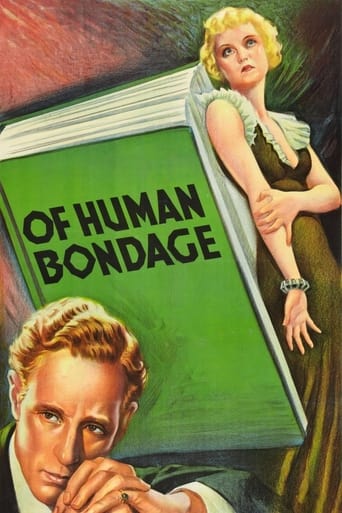
- Starred in 'Of Human Bondage' (1934) opposite Bette Davis
- Produced and co-wrote 'Pygmalion' (1938)
- Iconic role as Ashley Wilkes in 'Gone with the Wind' (1939)
- Directed and starred in 'Pimpernel Smith' (1941)
- Killed when his plane was shot down during WWII (1943)
Best Known For
Iconic Roles
Must-See Films
Accolades
Won
- New York Film Critics Circle Award for Best Actor for 'Pygmalion' (1938)
Nominated
- Academy Award nomination for Best Actor for 'Berkeley Square' (1933)
- Academy Award nomination for Best Picture for 'Pygmalion' as producer (1938)
Special Recognition
- Star on Hollywood Walk of Fame
- Inducted into American Theatre Hall of Fame
Working Relationships
Worked Often With
Studios
Why They Matter
Impact on Culture
Leslie Howard significantly influenced the portrayal of the sophisticated, intellectual British gentleman in cinema, helping establish the archetype that would be emulated by countless actors. His role in 'Gone with the Wind' created one of cinema's most enduring romantic figures, while his work in 'Pygmalion' helped bring George Bernard Shaw's wit to mainstream audiences. Howard's wartime propaganda films, particularly 'Pimpernel Smith', demonstrated cinema's power as a tool for political resistance and moral persuasion during one of history's darkest periods.
Lasting Legacy
Leslie Howard's legacy encompasses both his artistic achievements and his moral courage during wartime. As an actor, he set a standard for sophisticated, intellectually-driven performances that influenced generations of performers. His production work on 'Pygmalion' helped establish the precedent for actors taking creative control of their projects. His death during wartime service elevated him to the status of a cultural martyr, symbolizing the intersection of art and resistance. Howard remains remembered not just as a talented actor but as a man of principle who used his fame to combat tyranny.
Who They Inspired
Howard influenced subsequent generations of British actors through his distinctive style of understated, intellectual performance. His approach to character development and his willingness to take creative control of his projects paved the way for later actor-producers. His combination of artistic integrity with political engagement set a precedent for celebrities using their platform for social and political causes. Actors like David Niven, Peter Cushing, and even modern performers like Ralph Fiennes show traces of Howard's influence in their portrayals of refined, complex characters.
Off Screen
Howard was married twice and had three children. He was known for his intellectual pursuits, writing poetry and essays, and was deeply involved in political causes, particularly anti-fascism. During World War II, he was actively engaged in propaganda work and allegedly served as an intelligence agent for the British government. His death remains controversial, with theories suggesting he may have been targeted specifically due to his intelligence activities or because Winston Churchill was believed to be on the same flight.
Education
Dulwich College (London)
Family
- Ruth Evelyn Martin (1916-1939)
- Violette Cunnington (1940-1943)
Did You Know?
- His birth name was Leslie Howard Steiner but he dropped 'Steiner' professionally due to anti-Semitism
- He was severely shell-shocked during World War I and suffered from what would now be called PTSD
- He was 46 when he played the much younger Ashley Wilkes in 'Gone with the Wind'
- He turned down the role of Rick Blaine in 'Casablanca' which went to Humphrey Bogart
- He was a published poet and wrote several plays
- He allegedly had an affair with Tallulah Bankhead
- He was one of the first actors to successfully transition from silent films to talkies
- His son Ronald Howard played Sherlock Holmes in a 1950s TV series
- He was a cousin of the famous Hollywood director King Vidor
- The plane carrying him was shot down by German fighters who may have believed Winston Churchill was aboard
In Their Own Words
I'm a bit of a coward. I go to pieces when I see violence. But I'm not a coward about my work.
Acting is an illusion and the audience must be allowed to preserve it.
I don't want to be a star. I want to be an actor.
The trouble with the world is that the stupid are cocksure and the intelligent are full of doubt.
I have a feeling that my life is being wasted unless I'm doing something constructive.
Frequently Asked Questions
Who was Leslie Howard?
Renowned British actor, on YTB.my. He was best known for his sophisticated performances in films like 'Gone with the Wind' and 'Pygmalion', and was also involved in anti-Nazi propaganda efforts during World War II.
What films is Leslie Howard best known for?
Titles linked here include Gone with the Wind (1939), Pygmalion (1938).
When was Leslie Howard born and when did he die?
Born April 3, 1893; died June 1, 1943.
What awards did Leslie Howard win?
Howard received an Academy Award nomination for Best Actor for 'Berkeley Square' (1933) and won the New York Film Critics Circle Award for Best Actor for 'Pygmalion' (1938). He also received a Best Picture nomination as producer of 'Pygmalion'.
What was Leslie Howard's acting style?
Howard was known for his sophisticated, intellectual acting style characterized by subtlety, emotional restraint, and psychological depth. He specialized in playing gentlemen and intellectuals with a distinctive, refined demeanor and soft-spoken delivery.
How did Leslie Howard die?
Howard died when the civilian airliner he was traveling on from Lisbon to Bristol was shot down by German Luftwaffe fighters over the Bay of Biscay. The exact circumstances remain controversial, with theories suggesting he may have been targeted due to intelligence work or mistaken identity.
What was Leslie Howard's role in World War II?
During World War II, Howard was actively involved in anti-Nazi propaganda efforts, making films like 'Pimpernel Smith' (1941) which contained anti-fascist themes. He also allegedly engaged in intelligence work for the British government, which may have contributed to his death.