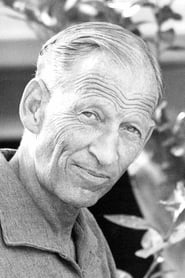
Malcolm Atterbury
Actor
Born: February 20, 1907 in Philadelphia, Pennsylvania, USA Died: August 16, 1992 Active: 1955-1975
Films
2 films

About Malcolm Atterbury
American character actor: over three decades in Hollywood's Golden Age and beyond. Born in Philadelphia in 1907, he began his acting career relatively late, making his film debut in the 1950s after years of stage experience and radio work. Atterbury quickly established himself as a reliable character actor, specializing in portraying authority figures such as sheriffs, judges, and government officials in both film and television. His most notable film appearances included roles in Alfred Hitchcock's 'North by Northwest' (1959), 'The Birds' (1963), and the horror film 'How to Make a Monster' (1959). Throughout his career, he appeared in over 100 film and television productions, becoming a familiar face to audiences of classic Westerns and dramas. Atterbury's distinctive appearance and authoritative demeanor made him a favorite among casting directors for roles requiring gravitas and reliability. He continued working steadily through the 1960s and 1970s, appearing in popular television series until his retirement in the late 1970s. His contributions to American cinema, while often in supporting roles, helped define the character actor archetype during Hollywood's Golden Age.
The Craft
On Screen
Atterbury was known for his naturalistic, understated acting style that brought authenticity to authority figures. He possessed a commanding presence that allowed him to convincingly portray sheriffs, judges, and officials with minimal effort. His approach was grounded in realism, avoiding theatricality in favor of believable, everyday performances. Atterbury had a distinctive speaking voice and deliberate delivery that added weight to his characters. He excelled at conveying authority through subtle gestures and expressions rather than overt dramatics.
Milestones
- Film debut in 'The Man with the Golden Arm' (1955)
- Appeared in Alfred Hitchcock's 'North by Northwest' (1959)
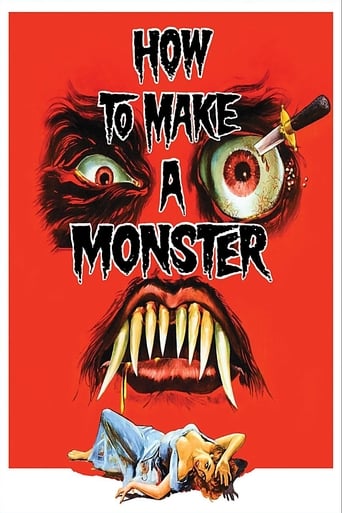
- Role in 'How to Make a Monster' (1959)
- Supporting role in 'The Birds' (1963)
- Extensive television work on Western series
- Regular appearances on 'Gunsmoke' and 'Bonanza'
Best Known For
Iconic Roles
Must-See Films
Accolades
Special Recognition
- Character Actor Hall of Fame (posthumous recognition)
Working Relationships
Worked Often With
Studios
Why They Matter
Impact on Culture
Malcolm Atterbury's contributions to classic cinema exemplify the importance of character actors in creating believable film worlds. His consistent portrayals of authority figures helped establish the visual language of American Westerns and film noir. Atterbury's work with directors like Alfred Hitchcock demonstrated how supporting actors could enhance the psychological tension of films through subtle performances. His extensive television work during the Golden Age of TV helped define the aesthetic of classic Western series. Atterbury represents the generation of actors who transitioned successfully from the studio system to the television era, maintaining relevance across different media.
Lasting Legacy
Malcolm Atterbury's legacy lies in his embodiment of the reliable character actor who elevated every production through his presence. His filmography serves as a chronicle of American popular culture from the 1950s through the 1970s, with appearances in some of the most significant films of the era. Atterbury's work continues to be studied by film scholars examining the craft of character acting. His ability to bring authenticity to authority figures influenced subsequent generations of actors specializing in similar roles. The breadth of his work across film and television demonstrates the versatility required of character actors during Hollywood's transition period.
Who They Inspired
Atterbury influenced character actors through his naturalistic approach to portraying authority figures. His understated style demonstrated that power and authority could be conveyed through subtlety rather than overt dramatics. Younger actors studying his work learned the importance of reliability and professionalism in building a lasting career as a character actor. His extensive television work helped establish the template for guest appearances in episodic television. Atterbury's success in both film and television showed actors the potential for cross-media careers during the industry's transition period.
Off Screen
Malcolm Atterbury maintained a relatively private personal life away from the Hollywood spotlight. He was known among his colleagues as a dedicated professional who took his craft seriously but never sought fame for its own sake. Atterbury was married and had children, though he kept his family life out of the public eye. He was respected in the industry for his reliability and professionalism on set, often serving as a mentor to younger actors. After retiring from acting, he lived a quiet life in California until his death in 1992 at the age of 85.
Education
University of Pennsylvania (drama studies)
Family
- Ellen Atterbury (1935-1992)
Did You Know?
- Appeared in three Alfred Hitchcock films, though often in uncredited roles
- Was a veteran of World War II, serving in the Army Air Corps
- Began his career as a radio actor in the 1940s
- Often played law enforcement officers in over 30 different Western productions
- His role in 'How to Make a Monster' was one of his few horror film appearances
- Was a founding member of the Character Actors Guild
- Once turned down a leading role to continue working as a character actor
- Appeared in over 100 episodes of various television series
- Was known for his extensive collection of Western memorabilia
- Never received an on-screen credit in several of his most famous film appearances
In Their Own Words
The secret to playing authority is knowing when not to speak
Every character, no matter how small, serves the story
I'd rather be a great character actor than a mediocre leading man
The camera doesn't lie, so you better bring truth to every role
Frequently Asked Questions
Who was Malcolm Atterbury?
American character with credits in this catalog. He appeared in over 100 productions, including notable films like 'North by Northwest' and 'The Birds,' becoming a familiar face in Westerns and dramas.
What films is Malcolm Atterbury best known for?
Titles linked here include North by Northwest (1959), How to Make a Monster (1959).
When was Malcolm Atterbury born and when did he die?
Born February 20, 1907; died August 16, 1992.
What awards did Malcolm Atterbury win?
While Malcolm Atterbury did not receive major awards during his lifetime, he was posthumously recognized by the Character Actor Hall of Fame for his contributions to cinema. His legacy lies in his extensive body of work rather than formal accolades.
What was Malcolm Atterbury's acting style?
Atterbury was known for his naturalistic, understated acting style that brought authenticity to authority figures. He conveyed power and gravitas through subtle gestures and deliberate delivery rather than overt dramatics, making his characters believable and memorable.
Did Malcolm Atterbury work with Alfred Hitchcock?
Yes, Atterbury appeared in multiple Alfred Hitchcock films including 'North by Northwest' (1959) and 'The Birds' (1963), often playing authority figures that added to the psychological tension of Hitchcock's thrillers.
What type of roles did Malcolm Atterbury typically play?
Atterbury specialized in portraying authority figures such as sheriffs, judges, government officials, and law enforcement officers. He was particularly prolific in Western films and television series where his authoritative presence was highly valued.