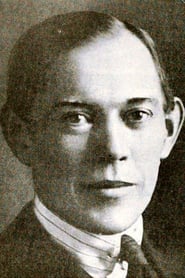
Hugh Ford
Director
Born: February 8, 1868 in New York City, New York, USA Died: September 26, 1952 Active: 1913-1925
Films
1 film
About Hugh Ford
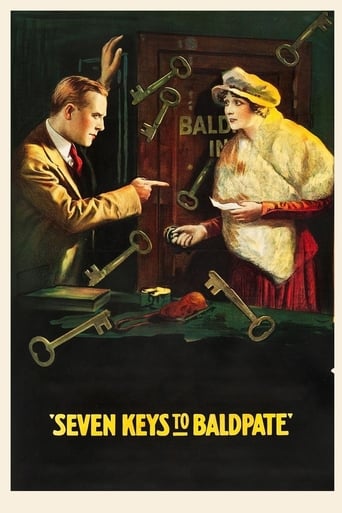
American film director and screenwriter who worked during the silent film era, primarily in the 1910s. He began his career in the early days of Hollywood, transitioning from stage work to motion pictures as the industry was taking shape. Ford developed a reputation for adapting popular stage plays and novels for the screen, with his most notable work being the 1917 adaptation of 'Seven Keys to Baldpate,' based on the hit play by George M. Cohan. His directing style reflected the theatrical traditions of the time, often employing staging techniques borrowed from his stage experience. Ford worked for several major studios of the era, including Famous Players Film Company and Paramount Pictures. Though his career was relatively brief compared to some of his contemporaries, he contributed significantly to the development of early narrative cinema. His work exemplified the transition from stage to screen storytelling that characterized much of early Hollywood filmmaking.
The Craft
Behind the Camera
Hugh Ford's directing style was heavily influenced by his theatrical background, often employing static camera positions and tableau-like compositions that mirrored stage productions. He favored clear, linear storytelling with an emphasis on dramatic moments and character interactions. Ford was particularly skilled at adapting theatrical works for the screen, maintaining the essence of the original plays while utilizing cinematic techniques. His direction often featured expressive performances from his actors, compensating for the lack of dialogue through heightened physical acting and facial expressions. Ford's approach was typical of the transitional period between stage and screen, bridging traditional theatrical presentation with emerging film language.
Milestones
- Directed Seven Keys to Baldpate (1917)
- Adapted numerous stage plays for silent film
- Worked with major stars of the silent era
- Transitioned from stage to film direction
- Directed over 30 films during his career
Best Known For
Must-See Films
Accolades
Special Recognition
- Pioneer of early American cinema
Working Relationships
Worked Often With
Studios
Why They Matter
Impact on Culture
Hugh Ford played a significant role in the early adaptation of theatrical works to the silent screen, helping to bridge the gap between stage and cinema during a crucial transitional period in American entertainment. His work demonstrated how popular stage plays could be successfully translated to the new medium of film, paving the way for future adaptations. Ford's direction of 'Seven Keys to Baldpate' was particularly influential, as it was one of the earliest film adaptations of a major Broadway hit and showed the commercial potential of such adaptations. His films contributed to the development of narrative cinema techniques and helped establish conventions for adapting theatrical works that would influence filmmakers for decades.
Lasting Legacy
Hugh Ford's legacy lies in his contribution to early American cinema during its formative years, particularly in the area of theatrical adaptation. While not as widely remembered as some of his contemporaries, his work exemplifies the important transitional period when cinema was developing its own unique language separate from theatrical traditions. His films, especially 'Seven Keys to Baldpate,' remain valuable artifacts of early Hollywood filmmaking and demonstrate the challenges and innovations of adapting stage works for the silent screen. Ford's career illustrates the path many early filmmakers took from stage to screen, bringing with them valuable storytelling experience that helped shape the nascent film industry.
Who They Inspired
Ford influenced other early filmmakers through his successful adaptations of theatrical works, demonstrating that stage plays could be effectively translated to cinema. His work showed how to maintain the dramatic essence of theatrical productions while utilizing cinematic techniques to enhance storytelling. Directors who followed in adapting stage works benefited from the techniques Ford developed, particularly in terms of staging and actor direction for the camera. His collaborations with stage actors transitioning to film provided a model for working with performers trained in theatrical traditions, helping establish methods for directing actors in the new medium of cinema.
Off Screen
Hugh Ford was born into a theatrical family and began his career on the stage before transitioning to film. He married actress Grace Valentine, who appeared in several of his films. The couple worked together professionally on multiple occasions, with Ford directing his wife in various productions. Ford maintained connections to the theatrical world throughout his film career, often adapting stage works for the screen. In his later years, he largely retired from filmmaking as the industry transitioned to sound, returning to his theatrical roots.
Education
Educated in New York City; likely received theatrical training through practical experience in stage productions
Family
- Grace Valentine (married 1915)
Did You Know?
- Seven Keys to Baldpate was remade multiple times, including a 1935 version and a 1947 film called 'The Man Who Cheated Himself'
- Ford began his career as a stage actor before moving behind the camera
- He often worked with his wife, actress Grace Valentine, in his films
- Many of Ford's films are now considered lost, a common fate for silent-era productions
- He directed films for several production companies, including Famous Players
- Ford was part of the generation of filmmakers who helped establish Hollywood as the center of American film production
- His directing style evolved from purely theatrical presentations to more cinematic techniques as film technology advanced
- Several of Ford's films were based on popular novels and plays of the era
- He worked during the transitional period when films were moving from short subjects to feature-length productions
- Ford's active years covered the period when Hollywood was establishing itself as the global center of film production
In Their Own Words
The challenge of adapting a stage play for the screen lies not in changing the story, but in finding the visual language to tell it anew.
Frequently Asked Questions
Who was Hugh Ford?
American on YTB.my. He was known for adapting stage plays for the screen and directed over 30 films during his career, with his most famous work being 'Seven Keys to Baldpate' (1917).
What films is Hugh Ford best known for?
Titles linked here include Seven Keys to Baldpate (1917), The Song of the Soul (1914).
When was Hugh Ford born and when did he die?
Born February 8, 1868; died September 26, 1952.
What awards did Hugh Ford win?
Hugh Ford worked primarily before the establishment of major film awards like the Academy Awards, which began in 1929 near the end of his career. His recognition came from his success in adapting theatrical works for film and his contributions to early American cinema rather than formal awards.
What was Hugh Ford's directing style?
Hugh Ford's directing style was heavily influenced by his theatrical background, often employing static camera positions and staging that mirrored stage productions. He excelled at adapting plays for the screen while maintaining their dramatic essence, and was skilled at directing actors in the expressive performance style required for silent films.