
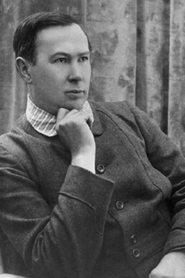
Films
2 films

About Vyacheslav Viskovsky
Russian actor and director who worked during the silent film era in Soviet cinema. His the pivotal years following the Russian Revolution, from 1918 to 1929. He made his directorial debut with 'The Last Tango' in 1918, during the early years of Soviet cinema when the film industry was being reorganized under Bolshevik control. Later in his career, he transitioned more toward acting, with his most notable performance being in 'Fragment of an Empire' (1929), one of the last significant Soviet silent films directed by Fridrikh Ermler. His career coincided with the golden age of Soviet silent cinema and the beginning of the transition to sound films. Like many artists of this period, his work was influenced by the dramatic social and political changes occurring in Russia and the ideological requirements of the new Soviet state. His relatively short but significant transformative periods in Russian film history.
The Craft
On Screen
Based on his appearance in 'Fragment of an Empire,' Viskovsky's acting style was typical of the late Soviet silent era, emphasizing expressive gestures and facial features to convey emotion and character. His performance would have been influenced by the montage theory and psychological realism that characterized advanced Soviet cinema of the late 1920s.
Behind the Camera
While little documentation exists about his directing style, his work on 'The Last Tango' in 1918 would have been influenced by both pre-revolutionary Russian cinema techniques and the emerging Soviet cinematic language that emphasized social themes and collective narratives.
Milestones
- Directed 'The Last Tango' (1918) during early Soviet cinema period
- Acted in 'Fragment of an Empire' (1929), a landmark Soviet silent film
- Transitioned from directing to acting during silent era
- Worked during pivotal revolutionary period in Russian cinema
- Participated in the development of Soviet film language
Best Known For
Iconic Roles
Must-See Films
Working Relationships
Worked Often With
Studios
Why They Matter
Impact on Culture
Vyacheslav Viskovsky contributed to the development of early Soviet cinema during its formative years following the Bolshevik Revolution. His work as both director and actor spanned the revolutionary period when Russian cinema was establishing its unique identity separate from Western influences. His participation in 'Fragment of an Empire' placed him within. The film was particularly significant for its innovative use of flashback techniques and its psychological depth in portraying a man who awakens from a decade-long coma to find his world completely transformed.
Lasting Legacy
While not widely known internationally, Vyacheslav Viskovsky represents the generation of artists who helped establish Soviet cinema during its silent era. His work, particularly his involvement in 'Fragment of an Empire,' contributes to our understanding of how early Soviet filmmakers used cinema to explore the profound social transformations occurring in Russia. His career serves as an example of the multifaceted roles many early film professionals played, often working as both directors and actors in the resource-constrained but creatively explosive environment of early Soviet film production.
Who They Inspired
Due to limited documentation of his work and the relatively small number of films he was involved in, specific details about his influence on other filmmakers are difficult to trace. However, his participation in significant Soviet productions of the late 1920s would have contributed to the development of the Soviet film style that would later influence international cinema through directors like Eisenstein and Pudovkin. His career trajectory from directing to acting also reflects the collaborative nature of early Soviet film production.
Off Screen
Very little is documented about Vyacheslav Viskovsky's personal life, which is common for many early Soviet film figures whose records were not well preserved or translated to Western sources. His active years covered the tumultuous period of the Russian Revolution and Civil War, which would have profoundly affected all aspects of his life and work.
Did You Know?
- His career began immediately after the Bolshevik Revolution of 1917
- 'Fragment of an Empire' was one of the last major Soviet silent films before the transition to sound
- His directorial debut 'The Last Tango' came during the Civil War period when film production was extremely difficult
- Like many early Soviet filmmakers, his work would have been subject to strict state censorship and ideological requirements
- His active years covered the entire silent era in Soviet cinema, from its beginnings to its end
- The title 'Fragment of an Empire' refers to the collapse of the Russian Empire and the birth of the Soviet Union
- Early Soviet cinema often used actors who could play multiple roles due to limited resources
- His work coincided with the development of montage theory by Soviet filmmakers
- Many early Soviet films, including those he worked on, were lost or destroyed during World War II
- Soviet cinema of this period was highly experimental and influential despite political constraints
Frequently Asked Questions
Who was Vyacheslav Viskovsky?
Russian actor and on YTB.my. He directed 'The Last Tango' (1918) and acted in 'Fragment of an Empire' (1929), one of the last significant Soviet silent films exploring themes of social transformation in post-revolutionary Russia.
What films is Vyacheslav Viskovsky best known for?
Titles linked here include The Last Tango (1918), Fragment of an Empire (1929).
When was Vyacheslav Viskovsky born and when did he die?
Specific birth and death dates for Vyacheslav Viskovsky are not well documented in available sources, which is common for many early Soviet film figures. His known active years covered from 1918 to 1929, covering the entire silent era in Soviet cinema.
What awards did Vyacheslav Viskovsky win?
No documented awards or nominations for Vyacheslav Viskovsky are available in existing sources, which reflects the limited documentation of early Soviet cinema figures and the fact that formal award systems were not well established during this period in Soviet film.
What was Vyacheslav Viskovsky's acting and directing style?
His acting style in 'Fragment of an Empire' was typical of late Soviet silent era, emphasizing expressive gestures and psychological realism. His directing work on 'The Last Tango' would have reflected both pre-revolutionary Russian techniques and emerging Soviet cinematic language focused on social themes and collective narratives.