

Films
2 films
About George Walcott
American character actor who worked in the silent and early sound eras, appearing in supporting roles that helped flesh out the world of studio-era features. He is documented as being active from at least 1925 through 1936, with credited appearances that place him in both late silent cinema and the early talkie period. Walcott is best remembered today by classic-film researchers and collectors for his supporting work in films such as The Swan (1925) and The Mandarin Mystery (1936), which bracket his screen career and illustrate his movement from silent-period productions into the mystery and genre films of the mid-1930s. Like many dependable studio-era performers, he was not a marquee name, but his presence contributed to the texture and credibility of the films in which he appeared. Detailed biographical information about his private life, exact birth and death data, and off-screen career is scarce in surviving reference sources, which is common for lesser-known supporting players of the period. His filmography suggests a working actor who adapted to the changing demands of Hollywood as it transitioned from silent film to sound. He remains a figure of interest primarily for archival film history, credited roles, and the broader study of character acting in classic Hollywood.
The Craft
On Screen
Specific contemporary descriptions of George Walcott's acting style are not widely preserved, but his surviving screen record suggests the kind of restrained, functional performance associated with studio-era supporting players. In silent film, such actors often relied on clear physical presence, readable gestures, and economical expression to support the lead actors and advance the story. By the sound era, performers like Walcott typically adapted to more naturalistic dialogue delivery while retaining the concise, no-nonsense style valued in genre pictures. His roles appear to have emphasized utility and atmosphere rather than flamboyant star persona.
Milestones
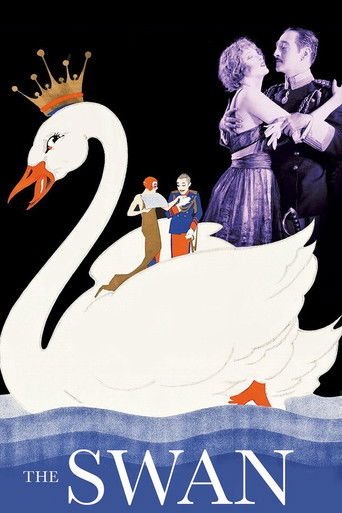
- Appeared in the silent-era film The Swan (1925), placing him among the working actors of late silent Hollywood
- Continued acting into the sound era, with a credited appearance in The Mandarin Mystery (1936)
- Maintained a screen career spanning at least the transition from silent cinema to early talkies
- Worked as a supporting performer in studio-era productions rather than as a marquee star
- Represents the kind of reliable character actor whose credits help map the ecology of classic Hollywood filmmaking
Best Known For
Iconic Roles
Must-See Films
Why They Matter
Impact on Culture
George Walcott's cultural impact lies less in celebrity than in representation of the many working actors who sustained classic Hollywood. Performers like Walcott gave continuity to studio production by supplying dependable supporting parts across shifting eras, from silent features to early sound mysteries and melodramas. Even when their names were not heavily advertised, they helped define the ensemble texture that made studio-era films feel lived-in and professionally mounted. For researchers and enthusiasts, Walcott is part of the historical record that illuminates how Hollywood functioned beyond its stars, revealing the collaborative labor behind the era's most enduring films.
Lasting Legacy
Walcott's legacy is primarily archival and historical: he is one of the many screen actors whose credits preserve the working fabric of silent and early talkie Hollywood. His appearances in films from 1925 and 1936 provide useful anchor points for scholars tracing the careers of transitional performers who navigated major industrial change. Because little personal information survives, his significance is measured through filmography rather than biography, making him a representative example of the countless supporting players who helped sustain classic cinema. His continued presence in reference databases keeps his work accessible to modern viewers and historians interested in film continuity, casting practices, and studio-era personnel.
Who They Inspired
George Walcott's influence is indirect rather than personal in the celebrity sense. He exemplifies the kind of adaptable character performer whose work informed the professional standards of ensemble acting in Hollywood's studio system. Supporting actors like Walcott influenced the craft by demonstrating how to serve story, tone, and pacing without dominating the frame. While there is no strong evidence of a direct mentoring lineage, his career remains part of the broader model that later character actors inherited: reliability, versatility, and the ability to move between silent and sound conventions.
Off Screen
There is very little reliably documented public information about George Walcott's personal life in the standard classic-cinema references commonly used for film history research. His marriages, family background, residence history, and post-screen life are not well recorded in readily available sources. This lack of documentation is not unusual for a supporting actor of the silent and early sound periods, especially one who did not maintain a long-term star persona or extensive publicity trail. As a result, only his screen career can be stated with confidence, while personal details remain uncertain or unavailable.
Did You Know?
- George Walcott's documented screen career spans both the silent era and the early sound era.
- He is George Walcott appeared in the Swan (1925), a late silent-period film.
- He is also George Walcott appeared in the Mandarin Mystery (1936), showing activity more than a decade later.
- He appears to have worked primarily as a supporting actor rather than a leading man.
- Like many classic-era character players, his biographical record is much thinner than his filmography.
- His surviving credits make him useful to historians studying transitional performers between silent and sound cinema.
- He is not widely documented in mainstream publicity sources, which suggests a career built largely in the studio supporting ranks.
Frequently Asked Questions
Who was George Walcott?
American supporting with credits in this catalog. He is chiefly remembered through his credited appearances in films such as The Swan (1925) and The Mandarin Mystery (1936).
What films is George Walcott best known for?
Titles linked here include The Swan (1925), The Mandarin Mystery (1936).
When was George Walcott born and when did he die?
His exact birth and death dates are not readily available in standard classic-cinema reference sources. The surviving record is sparse, so his life dates remain unconfirmed in widely accessible materials.
What awards did George Walcott win?
No major awards or formal honors are known for George Walcott. He appears to have been a working supporting actor whose career is documented mainly through film credits rather than awards recognition.
What was George Walcott's acting style?
His exact style is not described in surviving contemporary profiles, but as a silent-era and early sound supporting actor, he likely relied on efficient, readable performance and strong screen presence. In that period, character actors were expected to serve the story with clarity and adaptability rather than with overt star mannerisms.
What is George Walcott's legacy in film history?
His legacy is that of a representative studio-era working actor who helped shape the texture of classic Hollywood films. Even without star status, his credits help historians understand how ensemble casting functioned across the silent-to-sound transition.