Aleksandr Razumnyj
Director
Born: May 1, 1891 in Odessa, Russian Empire (now Ukraine) Died: November 16, 1972 Active: 1924-1940 Birth Name: Aleksandr Pavlovich Razumnyj
Films
2 films
About Aleksandr Razumnyj
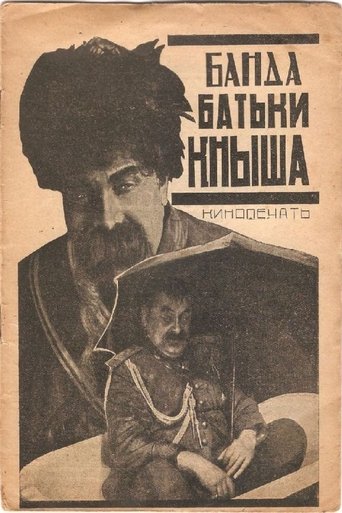
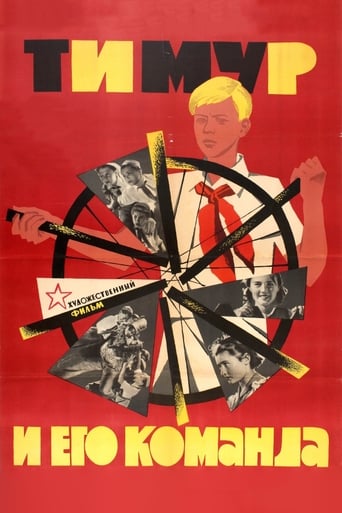
Prominent Soviet film director who emerged during the transformative early years of Soviet cinema. Beginning his career in the 1920s during the silent era, Razumnyj developed his craft alongside other Soviet filmmakers who were establishing the visual language of revolutionary cinema. His 1924 film 'Banda batki Knysha' demonstrated his ability to work within the constraints of early Soviet filmmaking while addressing contemporary social themes. Razumnyj reached the height of his career with 'Timur and His Team' (1940), an adaptation of Arkady Gaidar's beloved children's novel that became youth films in Soviet history. Throughout his career, he navigated the shifting demands of Soviet cultural policy, from the experimental freedom of the 1920s to the socialist realism mandates of the 1930s and 1940s. His work reflected the ideological priorities of the Soviet state while attempting to maintain artistic integrity within the state-controlled film industry. Razumnyj's the crucial transition from silent films to sound cinema, making him one of the few directors to successfully adapt to both eras.
The Craft
Behind the Camera
Razumnyj's directing style evolved with the changing demands of Soviet cinema, starting with the experimental techniques of the silent era and adapting to the more narrative-driven approach of socialist realism. His early work showed influence from Soviet montage theory, while his later films emphasized clear storytelling and ideological messaging. In 'Timur and His Team,' he demonstrated a particular talent for working with child actors and creating emotionally resonant scenes that served both artistic and educational purposes. His visual approach was straightforward and accessible, prioritizing clarity of message over formal experimentation.
Milestones
- Directed 'Banda batki Knysha' (1924) during the silent era
- Created the influential youth film 'Timur and His Team' (1940)
- Successfully transitioned from silent to sound cinema
- Adapted Arkady Gaidar's popular novel for the screen
- Contributed to Soviet children's cinema
Best Known For
Must-See Films
Accolades
Won
- Order of the Red Banner of Labour (1951)
- Honored Artist of the RSFSR (1935)
Nominated
- Stalin Prize nomination for 'Timur and His Team' (1941)
Special Recognition
- Honored Art Worker of the RSFSR
Working Relationships
Studios
Why They Matter
Impact on Culture
Aleksandr Razumnyj made significant contributions to Soviet cinema, particularly in the realm of children's and youth films. His adaptation of 'Timur and His Team' created a cultural phenomenon that inspired the 'Timur movement' among Soviet youth, where children organized voluntary work groups to help the elderly and support collective farms. The film's protagonist became a role model for generations of Soviet children, embodying the ideals of collectivism, responsibility, and service to the community. Razumnyj's work demonstrated how cinema could be used effectively for educational and ideological purposes while maintaining artistic quality and emotional appeal.
Lasting Legacy
Razumnyj's legacy is primarily preserved through 'Timur and His Team,' which remains. The film's impact extended far beyond cinema, influencing Soviet youth culture and educational practices for decades. His career trajectory reflects the broader story of Soviet filmmakers who navigated the transition from revolutionary experimentation to state-controlled socialist realism. While less internationally known than some of his contemporaries, Razumnyj's contribution to Soviet cinema's development, particularly in children's entertainment, is recognized by film historians as significant.
Who They Inspired
Razumnyj influenced subsequent generations of Soviet directors working in children's cinema, demonstrating how to balance entertainment with educational value and ideological messaging. His successful adaptation of literary works for the screen provided a template for other filmmakers. The Timur character he helped create became an archetype in Soviet children's literature and film, inspiring numerous sequels and adaptations by other directors. His approach to working with child actors and creating authentic youth performances influenced pedagogical approaches in Soviet film education.
Off Screen
Aleksandr Razumnyj lived through the most turbulent decades of Soviet history, from the revolution through World War II and beyond. His career was shaped by the political and cultural transformations of the era, requiring constant adaptation to changing ideological requirements. Like many Soviet artists of his generation, he balanced creative ambitions with the necessity of working within state-approved parameters. His later years were spent away from active filmmaking, though he remained a respected figure in Soviet cinema circles until his death in 1972.
Education
Studied at the Odessa Film School, early training in theater and visual arts
Family
- Information not available in historical records
Did You Know?
- 'Timur and His Team' was based on Arkady Gaidar's 1940 novel of the same name
- The Timur movement inspired by the film involved over 3 million Soviet children in voluntary work
- Razumnyj began his career during the golden age of Soviet silent cinema
- His 1924 film 'Banda batki Knysha' was produced during the NEP period of relative artistic freedom
- The director had to navigate the strict censorship requirements of the 1930s and 1940s
- 'Timur and His Team' was one of the first Soviet films to specifically address youth volunteerism
- The film's success led to multiple sequels by other directors
- Razumnyj worked during the transition from silent to sound cinema in the USSR
- His films often featured themes of collective action and social responsibility
- The director was part of the first generation of Soviet filmmakers trained after the revolution
In Their Own Words
Cinema is not just entertainment, it is the most powerful tool for shaping the minds of our youth
To make a film for children is to invest in the future of our socialist society
The camera must serve the people, just as the artist must serve the revolution
Frequently Asked Questions
Who was Aleksandr Razumnyj?
Soviet on YTB.my.' He worked during the crucial transition from silent to sound cinema in the Soviet Union and contributed significantly to Soviet children's cinema.
What films is Aleksandr Razumnyj best known for?
Titles linked here include Timur and His Team (1940), Banda batki Knysha (1924).
When was Aleksandr Razumnyj born and when did he die?
Born May 1, 1891; died November 16, 1972.
What awards did Aleksandr Razumnyj win?
Razumnyj received the Order of the Red Banner of Labour in 1951 and was named an Honored Artist of the RSFSR in 1935. He was also nominated for the Stalin Prize for 'Timur and His Team' in 1941, recognizing the film's cultural significance.
What was Aleksandr Razumnyj's directing style?
Razumnyj's directing style evolved from the experimental techniques of silent Soviet cinema to the more narrative-driven approach of socialist realism. He was particularly adept at working with child actors and creating emotionally resonant scenes that served both artistic and educational purposes, with a focus on clarity and ideological messaging.