Svend Gade
Director
Born: February 9, 1877 in Copenhagen, Denmark Died: August 25, 1952 Active: 1916-1925 Birth Name: Svend Lauritz Gade
Films
1 film
About Svend Gade
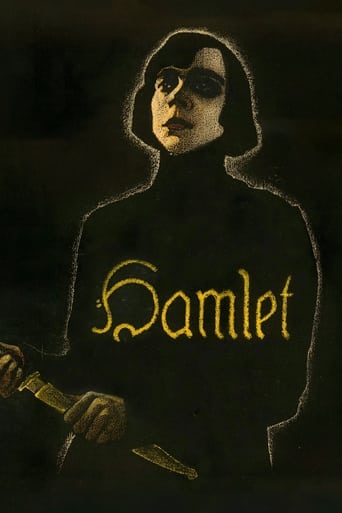
Made his most significant contribution to cinema during the silent era. He is best remembered for his 1921 adaptation of Shakespeare's Hamlet, which featured the revolutionary casting of Asta Nielsen in the title role. Gade began his career in the Danish film industry during its golden age in the 1910s, working initially as a scriptwriter before transitioning to directing. His version of Hamlet was an ambitious international co-production between Germany and Denmark, showcasing his ability to work across national boundaries during a period when European cinema was highly experimental. The film's unique interpretation, suggesting that Hamlet was actually a woman raised as a man, demonstrated Gade's willingness to challenge conventional storytelling. Despite the critical and artistic success of Hamlet, Gade's directorial career remained relatively brief, with most of his other works being less well-documented or preserved. His legacy rests primarily on this single, audacious interpretation of one of literature's most famous plays.
The Craft
Behind the Camera
Gade's directing style was characterized by bold artistic choices and a willingness to challenge conventional interpretations. He demonstrated a particular talent for literary adaptations, bringing fresh perspectives to classic works. His visual approach incorporated the expressive techniques common in German cinema of the 1920s, including dramatic lighting and composition. Gade was known for his collaborative approach with actors, allowing them significant creative input in character development.
Milestones
- Directed the groundbreaking 1921 adaptation of Hamlet
- Pioneered gender-bending casting in Shakespeare adaptation
- Worked with legendary actress Asta Nielsen
- Created one of the earliest European co-productions
- Contributed to Danish Golden Age of Cinema
Best Known For
Must-See Films
Accolades
Special Recognition
- Recognized in Danish film history for innovative Shakespeare adaptation
- Cited in film scholarship for early gender studies in cinema
Working Relationships
Worked Often With
Studios
Why They Matter
Impact on Culture
Svend Gade's 1921 Hamlet had a profound cultural impact that extended far beyond its initial release. The film's revolutionary casting of Asta Nielsen as Hamlet challenged gender norms and opened discussions about gender fluidity in performance decades before such topics became mainstream. This interpretation suggested that Hamlet's indecisiveness and emotional sensitivity stemmed from being a woman raised as a man, adding a psychological dimension to Shakespeare's character that influenced subsequent productions. The film demonstrated the potential of cinema to offer radical reinterpretations of classic literature, showing how the medium could explore themes that were difficult to stage in theater. Gade's work contributed to the ongoing dialogue between European cinema and high art, helping to establish film as a legitimate medium for literary adaptation.
Lasting Legacy
Svend Gade's legacy in film history rests primarily on his audacious 1921 adaptation of Hamlet, which remains. While his overall filmography was limited, this single achievement has ensured his place in cinema history. The film is studied in film schools and academic courses focusing on adaptation theory, gender studies, and silent cinema. Gade's work demonstrated how cinema could offer interpretations of classic literature that were impossible in other media, particularly through visual storytelling and casting choices. His Hamlet influenced subsequent filmmakers who dared to reimagine canonical works, proving that classic texts could be revitalized through bold artistic vision. The film's preservation and continued scholarly interest testify to the enduring significance of Gade's contribution to early cinema.
Who They Inspired
Gade's influence can be seen in subsequent filmmakers who have dared to challenge traditional casting in Shakespeare adaptations and literary classics. His gender-bending approach to Hamlet prefigured later experimental casting choices in both theater and cinema. The psychological interpretation he brought to the character influenced how filmmakers approached literary adaptations, emphasizing the potential for cinema to explore inner psychological states. His work demonstrated to European filmmakers that international co-productions could yield artistically ambitious results, paving the way for future cross-border collaborations. Film scholars and directors studying adaptation theory continue to reference Gade's Hamlet as an early example of how cinema could offer radical reinterpretations of canonical texts.
Off Screen
Svend Gade was born into a cultured Copenhagen family and developed an early interest in literature and theater. He was part of the vibrant artistic community in Denmark during the early 20th century, which was experiencing a cultural renaissance. Gade was married and had children, though details about his family life remain relatively private compared to his professional achievements. He maintained connections with both Danish and German artistic circles throughout his career, reflecting the close cultural ties between the two countries during this period.
Education
Educated in Copenhagen, likely attended local schools with focus on literature and arts
Family
- Unknown
Did You Know?
- The 1921 Hamlet was one of the first films to suggest Hamlet was actually a woman raised as a man
- Asta Nielsen's casting as Hamlet was considered revolutionary and controversial at the time
- The film was a Danish-German co-production, rare for its time
- Gade's version of Hamlet was one of the earliest full-length Shakespeare adaptations
- The film's interpretation suggested that Hamlet's relationship with Ophelia was complicated by gender identity
- Gade worked closely with Asta Nielsen to develop the unique interpretation of the character
- The film was partially shot on location in Denmark
- Despite its artistic merit, the film was considered commercially risky due to its unconventional premise
- Gade's Hamlet was one of the last major Danish silent film productions before the industry's decline
- The film's original running time was approximately 115 minutes, though various cuts exist
In Their Own Words
We are not merely filming Shakespeare, we are reimagining him for the cinema age
The camera can reveal what the stage can only suggest - the truth beneath the mask
Art must dare to question even the most sacred texts if it is to remain vital
Frequently Asked Questions
Who was Svend Gade?
Danish on YTB.my. His most notable contribution was casting actress Asta Nielsen in the title role, suggesting the character was actually a woman raised as a man.
What films is Svend Gade best known for?
Titles linked here include Hamlet (1921), Towards the Light (1919).
When was Svend Gade born and when did he die?
Born February 9, 1877; died August 25, 1952.
What was innovative about Gade's Hamlet adaptation?
Gade's 1921 Hamlet was revolutionary for its time due to its interpretation that Hamlet was actually a woman raised as a man, explaining the character's indecisiveness and emotional sensitivity. This gender-bending approach, with Asta Nielsen in the title role, challenged traditional Shakespearean performance and opened new possibilities for cinematic adaptation.
What was Svend Gade's directing style?
Gade's directing style was characterized by bold artistic choices and a willingness to challenge conventional interpretations. He incorporated expressive visual techniques common in German cinema of the 1920s and demonstrated a collaborative approach with actors, allowing significant creative input in character development.
Did Svend Gade win any awards for his work?
While Gade did not receive formal awards during his lifetime, his 1921 Hamlet has been recognized in film history for its innovative approach to Shakespeare adaptation and early exploration of gender themes in cinema. The film continues to be cited in academic scholarship for its artistic significance.