
Emmett J. Flynn
Director
Born: November 9, 1892 in New York City, New York, USA Died: March 17, 1937 Active: 1922-1931 Birth Name: Emmett James Flynn
Films
2 films
About Emmett J. Flynn
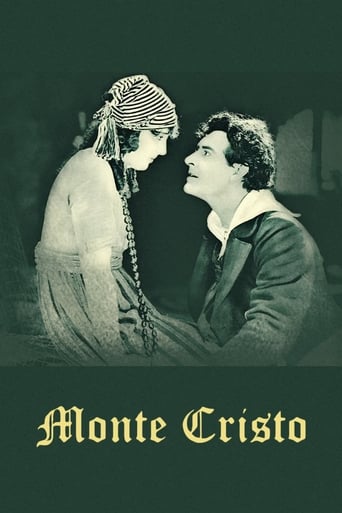
American film director who rose to prominence during the silent era of Hollywood — known for his versatile directing style that spanned multiple genres. Born in New York City in 1892, Flynn began his career in the film industry during the early 1920s, quickly establishing himself as a capable director for major studios. His most acclaimed work was the 1922 adaptation of 'Monte Cristo,' starring John Gilbert, which showcased his ability to handle epic literary adaptations with dramatic flair. Throughout the 1920s, Flynn directed numerous films for Fox Film Corporation and other major studios, working with notable stars of the era including Richard Dix, Madge Bellamy, and Lois Moran. His directing style evolved with the transition from silent films to early talkies, though his career was relatively brief compared to many of his contemporaries. Flynn's final directorial work was in 1931, after which he largely disappeared from the film industry until his death in 1937 at the age of 44.
The Craft
Behind the Camera
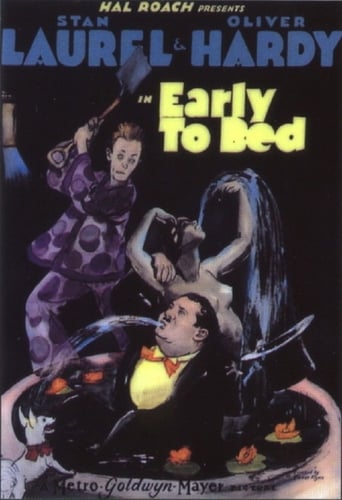
Emmett J. Flynn was known for his efficient, studio-friendly directing approach that balanced artistic vision with commercial considerations. His visual style was characteristic of the silent era, emphasizing dramatic compositions and expressive performances from his actors. Flynn demonstrated particular skill in literary adaptations, as evidenced by his successful handling of 'Monte Cristo.' His comedies, such as 'Early to Bed,' showcased his ability to work with timing and visual gags effectively. As the industry transitioned to sound, Flynn adapted his techniques to accommodate dialogue while maintaining his visual storytelling strengths.
Milestones
- Directed the acclaimed 'Monte Cristo' (1922) starring John Gilbert
- Successfully transitioned from silent films to early talkies
- Worked with major stars of the silent era including Richard Dix and Madge Bellamy
- Directed over 15 feature films in less than a decade
- Established himself as a reliable studio director for Fox Film Corporation
Best Known For
Must-See Films
Working Relationships
Worked Often With
Studios
Why They Matter
Impact on Culture
Emmett J. Flynn contributed to the golden age of silent cinema by directing numerous films that reflected the cultural values and entertainment preferences of 1920s America. His adaptation of 'Monte Cristo' was part of the trend of bringing classic literature to the silver screen, making these stories accessible to mass audiences. His comedies, particularly 'Early to Bed,' captured the light-hearted spirit of the Roaring Twenties. Flynn's work during the transition to sound represents the challenges and adaptations faced by many silent-era directors as Hollywood evolved technologically.
Lasting Legacy
Though not as well-remembered as some of his contemporaries, Emmett J. Flynn's work represents the typical studio director of the 1920s - competent, versatile, and capable of working across genres. His films, particularly 'Monte Cristo,' remain valuable artifacts of silent cinema and are occasionally screened at film festivals and classic cinema events. Flynn's career trajectory also illustrates the precarious nature of Hollywood success during the transition from silent to sound films, where many talented directors struggled to maintain their positions.
Who They Inspired
Direct influence on other filmmakers is not well documented, but Flynn's efficient studio approach and genre versatility were representative of the directing style that would become standard in Hollywood's golden age. His ability to adapt literary works for the screen demonstrated techniques that would be refined by later directors specializing in adaptations.
Off Screen
Emmett J. Flynn was born and raised in New York City before moving to Hollywood to pursue his career in filmmaking. He married actress and screenwriter June Mathis, a leading screenwriter and studio executive. Their marriage was significant in Hollywood circles, though it ended in divorce. Flynn's life was relatively short, and he died at the age of 44 in 1937, just six years after his final directorial credit. The circumstances surrounding his death and the end of his career remain somewhat mysterious in film history records.
Education
Limited information is available about Flynn's formal education, though his sophisticated approach to literary adaptations suggests a well-rounded educational background.
Family
- June Mathis (1924-1925)
Did You Know?
- His 1922 film 'Monte Cristo' was one of several adaptations of the Dumas novel during the silent era
- He was briefly married to June Mathis,
- His directing active years covered less than a decade, from 1922 to 1931
- He worked primarily for Fox Film Corporation during his most productive years
- His final film 'The Man Who Came Back' (1931) was an early sound production
- Flynn died relatively young at age 44, cutting short what might have been a longer career
- He directed films in multiple genres including drama, comedy, romance, and adventure
- His work with John Gilbert in 'Monte Cristo' came during Gilbert's peak stardom period
- The transition to sound films may have contributed to the decline of his directing career
- Despite his relatively short career, he directed over 15 feature films
In Their Own Words
No widely documented quotes from Emmett J. Flynn are available in film history records
Frequently Asked Questions
Who was Emmett J. Flynn?
American on YTB.my. He is best known for directing the 1922 adaptation of 'Monte Cristo' starring John Gilbert and the comedy 'Early to Bed' (1928) with Richard Dix.
What films is Emmett J. Flynn best known for?
Titles linked here include Monte Cristo (1922), Early to Bed (1928).
When was Emmett J. Flynn born and when did he die?
Born November 9, 1892; died March 17, 1937.
What awards did Emmett J. Flynn win?
There are no documented major awards or nominations for Emmett J. Flynn in historical records, which was not uncommon for many directors of the silent era who worked primarily as studio contract directors.
What was Emmett J. Flynn's directing style?
Flynn was known for his efficient, studio-friendly approach that balanced artistic vision with commercial appeal. He excelled at literary adaptations and demonstrated versatility across multiple genres including drama, comedy, romance, and adventure films.
Did Emmett J. Flynn successfully transition to sound films?
Flynn did direct some early sound films, including his final work 'The Man Who Came Back' (1931), but his career declined during this transition period. His most successful and acclaimed work was during the silent era.
Was Emmett J. Flynn married to anyone notable?
Yes, Flynn was briefly married to June Mathis (1924–1925). Mathis was a leading screenwriter and executive.