
Manfred Noa
Director
Born: March 22, 1893 in Berlin, Germany Died: December 1930 Active: 1922-1930
Films
2 films
About Manfred Noa
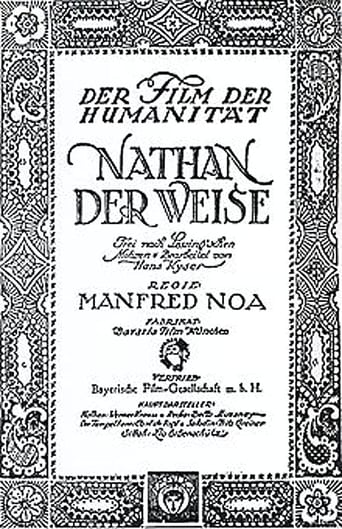
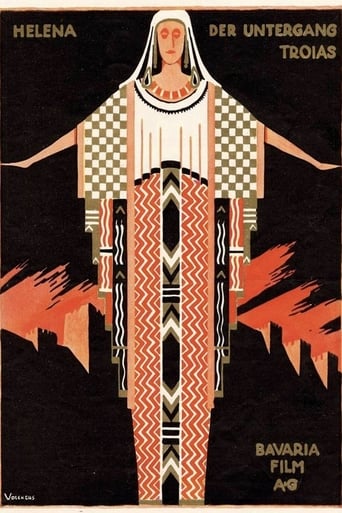
German film director active during the silent era of the Weimar Republic, best known for his ambitious literary adaptations and historical epics. Born in Berlin in 1893, Noa emerged as a significant director during the early 1920s, a golden age of German cinema. His most celebrated work, 'Nathan der Weise' (1922), was a adaptation of Gotthold Ephraim Lessing's classic play about religious tolerance, featuring elaborate sets and a progressive message that resonated with the democratic spirit of the Weimar era. In 1924, he achieved international recognition with 'Helen of Troy,' one of the first major film adaptations of the Trojan War legend, which showcased his ability to mount large-scale historical productions. Noa's career, though brief, demonstrated a commitment to adapting prestigious literary works for the cinema, working with prominent actors of the period. His final years saw him directing romantic dramas and comedies before his untimely death in 1930 at the age of 37, cutting short a promising career during a transitional period in German cinema.
The Craft
Behind the Camera
Manfred Noa's directing style combined classical theatrical adaptation techniques with cinematic innovation, favoring elaborate set designs and historical authenticity. He approached literary adaptations with respect for their source material while utilizing the visual possibilities of cinema to enhance their themes. His direction emphasized progressive social messages, particularly religious tolerance in 'Nathan der Weise,' and demonstrated skill in managing large-scale productions with numerous extras and complex choreography. Noa's visual language incorporated elements of German Expressionism while maintaining a more realistic approach suitable for historical dramas and literary adaptations.
Milestones
- Directed 'Nathan der Weise' (1922), a adaptation promoting religious tolerance
- Created the epic 'Helen of Troy' (1924), one of the earliest major Trojan War films
- Pioneered literary adaptations during the German silent film era
- Worked during the golden age of Weimar cinema
- Directed films featuring prominent German actors of the 1920s
Best Known For
Must-See Films
Working Relationships
Worked Often With
Studios
Why They Matter
Impact on Culture
Manfred Noa made significant contributions to early German cinema through his ambitious adaptations of literary classics and historical subjects. His film 'Nathan der Weise' was particularly culturally important as an early cinematic work promoting religious tolerance and understanding between faiths, carrying forward the Enlightenment ideals of Lessing's original play to a new medium. 'Helen of Troy' helped establish the template for historical epic films that would later become popular in Hollywood and international cinema. Noa's work represents the intellectual and artistic ambitions of Weimar cinema, which sought to elevate film to the level of high art through literary adaptations and sophisticated themes. His films, though few, contributed to the international reputation of German cinema during the 1920s and demonstrated how silent film could effectively convey complex philosophical and social messages.
Lasting Legacy
Manfred Noa's legacy is that of a promising director whose career was tragically cut short, leaving behind a small but significant body of work from the golden age of German silent cinema. His films, particularly 'Nathan der Weise,' are studied today as examples of how cinema was used to promote progressive social messages during the Weimar period. The technical and artistic achievements of 'Helen of Troy' influenced subsequent historical epics and demonstrated German cinema's capability to mount large-scale international productions. Film historians recognize Noa as part of the generation of German directors who helped establish cinema as a serious art form capable of adapting complex literary works. Though his name is not as well-known as contemporaries like Fritz Lang or F.W. Murnau, his surviving films continue to be screened at classic film festivals and studied in academic contexts for their artistic merit and historical significance.
Who They Inspired
Manfred Noa influenced subsequent filmmakers through his work in literary adaptation and historical epic production. His approach to adapting 'Nathan der Weise' demonstrated how complex philosophical themes could be effectively translated to cinema, influencing later directors who tackled similarly ambitious literary works. The scale and visual ambition of 'Helen of Troy' helped establish conventions for historical epics that would be refined by later directors in both Germany and Hollywood. His emphasis on socially progressive themes, particularly religious tolerance, represented an early example of cinema being used as a vehicle for promoting humanistic values. While his direct influence was limited by his short career and the subsequent disruption of German cinema by the Nazi regime, his surviving works continue to serve as reference points for filmmakers interested in adapting classic literature and historical subjects to the screen.
Off Screen
Manfred Noa was born into a German Jewish family in Berlin during the late 19th century, a period of significant cultural and artistic development in Germany. His career coincided with the politically and artistically vibrant Weimar Republic, though his life was cut short before the rise of the Nazi regime would have profoundly affected his career as a Jewish director. Little detailed information survives about his personal relationships or family life, though his early death at 37 prevented him from fully realizing his artistic potential or leaving a more extensive filmography.
Did You Know?
- His film 'Nathan der Weise' was one of the earliest cinematic adaptations of Gotthold Ephraim Lessing's influential play
- 'Helen of Troy' (1924) featured elaborate sets and costumes designed by prominent German art directors
- Noa's active years covered only about 8 years due to his early death at age 37
- He worked during the same period as other famous German directors like Fritz Lang, F.W. Murnau, and G.W. Pabst
- His films were produced during the height of German Expressionism, though his style was more classical
- As a Jewish director, his career would have been severely impacted by the Nazi rise to power had he lived longer
- 'Nathan der Weise' was notable for its message of religious tolerance during a period of rising European antisemitism
- His version of 'Helen of Troy' was one of the first major international co-productions of the silent era
- Noa demonstrated particular skill in managing large crowd scenes and complex historical settings
- His films are preserved in several European film archives and occasionally screened at classic film festivals
Frequently Asked Questions
Who was Manfred Noa?
German on YTB.my. He directed notable films including 'Nathan der Weise' (1922) and 'Helen of Troy' (1924) during the golden age of Weimar cinema.
What films is Manfred Noa best known for?
Titles linked here include Nathan der Weise (1922), Helen of Troy (1924).
When was Manfred Noa born and when did he die?
Born March 22, 1893; died December 1930.
What awards did Manfred Noa win?
There are no recorded major awards or honors won by Manfred Noa during his brief career. His recognition has come primarily from film historians and critics who have studied his contributions to German silent cinema in retrospect.
What was Manfred Noa's directing style?
Manfred Noa's directing style combined classical theatrical adaptation with cinematic innovation, featuring elaborate sets and historical authenticity. He favored literary adaptations with progressive social messages, particularly religious tolerance, and demonstrated skill in managing large-scale productions with complex choreography and numerous extras.