Films
4 films
About James D. Davis
Brief but notable director during the silent film era of the mid-1920s, primarily known for his work in comedy shorts. His directorial only two years, from 1926 to 1927, during which he helmed at least two comedy productions for the studio system. Davis emerged during the peak of silent comedy, working within the established studio framework that dominated Hollywood during this period. His films featured typical silent era slapstick elements and visual gags that were popular with audiences of the time. Unfortunately, like many directors from this era who had short careers, detailed documentation of his life and work is extremely limited. His brief filmography represents the type of journeyman directorial work that was common but often overlooked in Hollywood's golden age of silent cinema.
The Craft
Behind the Camera
Silent era comedy director specializing in slapstick and visual humor typical of mid-1920s short subjects
Milestones
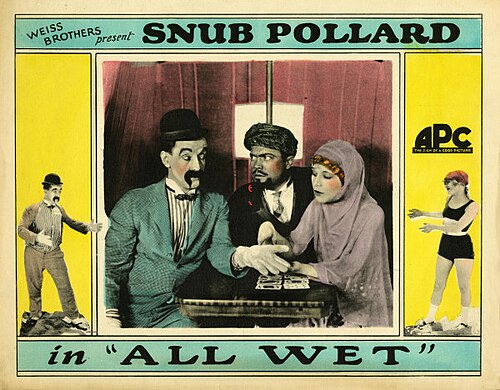
- Directed 'All Wet' (1926)
- Directed 'The Bum's Rush' (1927)
Best Known For
Must-See Films
Why They Matter
Impact on Culture
James D. Davis represents the numerous journeyman directors who contributed to Hollywood's silent era output but whose work has been largely lost to history. His films, 'All Wet' and 'The Bum's Rush,' were part of the vast production of comedy shorts that entertained audiences during the transition from silent to sound cinema. While his individual impact was minimal, his work exemplifies the studio system's reliance on capable directors to produce content for the insatiable demand for new films during the 1920s. The scarcity of information about Davis highlights how many contributors to early cinema have been forgotten despite their role in building the foundation of the film industry.
Lasting Legacy
James D. Davis's legacy is primarily as an example of the countless directors who worked behind the scenes during Hollywood's formative years. His two known films serve as artifacts of silent comedy production, though their survival status and availability remain uncertain. The brief nature of his career reflects both the opportunities and challenges faced by directors in the highly competitive and rapidly evolving film industry of the 1920s. While not remembered as a or influential filmmaker, Davis represents the working professionals who were essential to Hollywood's output during the golden age of silent cinema.
Who They Inspired
Due to the limited scope of his career and the scarcity of surviving information, James D. Davis's influence on other filmmakers cannot be adequately documented. His work appears to have been within the established conventions of silent comedy rather than innovative or groundbreaking, which was typical for directors working on studio-produced short subjects during this period.
Off Screen
Very little is documented about James D. Davis's personal life, which is common for journeyman directors from the silent era who had brief careers in the film industry.
Did You Know?
- James D. Davis had an extremely brief directorial career spanning only two years (1926-1927)
- Both of his known films were comedy shorts produced during the peak of the silent era
- Like many directors from this period, extensive biographical information has been lost to time
- His career coincided with the final years of silent cinema before the transition to sound
- The survival status of his films is uncertain, which is common for shorts from this era
Frequently Asked Questions
Who was James D. Davis?
on YTB.my.
What films is James D. Davis best known for?
Titles linked here include All Wet (1926), The Bum's Rush (1927).
When was James D. Davis born and when did he die?
Unfortunately, specific birth and death dates for James D. Davis are not documented in available historical records, which is common for minor figures from the silent era.
What awards did James D. Davis win?
There are no recorded awards or nominations for James D. Davis, which is typical for directors of short subjects during the silent era who had brief careers.
What was James D. Davis's directing style?
Based on his known works, Davis directed silent comedy shorts using the typical slapstick and visual humor techniques popular in mid-1920s comedy films.