
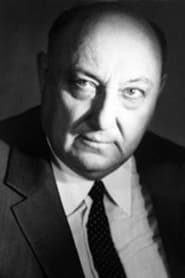
Lev Potyomkin
Actor
Born: 1905 in Moscow, Russian Empire Died: 1942 Active: 1938-1941 Birth Name: Lev Ivanovich Potyomkin
Films
4 films

About Lev Potyomkin
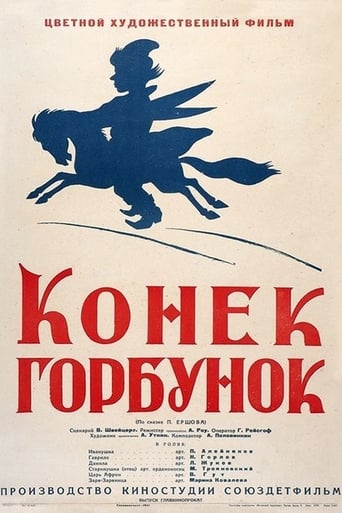
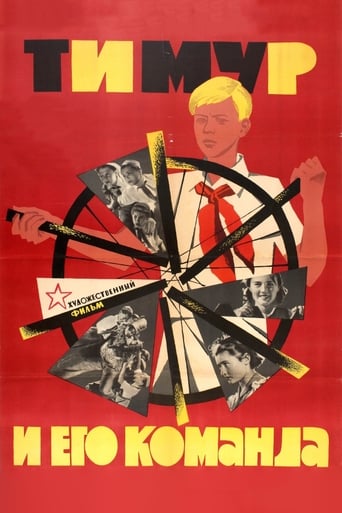
Soviet actor who had a brief but memorable career during the golden age of Soviet cinema in the late 1930s and early 1940s. He emerged as a character actor during a period when Soviet cinema was producing ambitious fairy tale adaptations and patriotic youth films. Potyomkin appeared in four significant films between 1938 and 1941, establishing himself as a reliable supporting actor who could bring depth to both fantastical and realistic roles. His performances in films like 'Wish upon a Pike' and 'The Humpbacked Horse' showcased his ability to adapt to the theatrical style required for fairy tale adaptations that were popular during this era. Potyomkin's career, though brief, coincided with an important period in Soviet filmmaking when directors were creating visually spectacular and ideologically sound entertainment. His work in 'Timur and His Team' demonstrated his versatility in contemporary youth dramas that promoted Soviet values. The outbreak of World War II and subsequent changes in Soviet cinema likely affected his career trajectory, as was common for many actors of his generation.
The Craft
On Screen
Potyomkin employed a theatrical yet naturalistic approach that was characteristic of Soviet actors of his era. His performances balanced the required dramatic intensity with subtle character nuances, particularly effective in fairy tale adaptations where exaggerated expressions were common. He had a talent for portraying both comic and serious elements within the same character, making him versatile across different genres.
Milestones
- Debut in 'Wish upon a Pike' (1938)
- Memorable role in 'Vassilisa the Beautiful' (1939)
- Performance in patriotic youth film 'Timur and His Team' (1940)
- Final appearance in 'The Humpbacked Horse' (1941)
Best Known For
Iconic Roles
Must-See Films
Working Relationships
Worked Often With
Studios
Why They Matter
Impact on Culture
Lev Potyomkin contributed to the golden age of Soviet cinema during a period when the film industry was producing both ideologically sound works and entertaining fairy tale adaptations. His roles in films like 'Wish upon a Pike' and 'The Humpbacked Horse' were part of a Soviet tradition of adapting folk tales that provided both entertainment and subtle moral education. These films became classics of Soviet children's cinema and continue to be referenced in Russian cultural discussions about the golden age of Soviet filmmaking.
Lasting Legacy
Though his career was brief, Lev Potyomkin's work survives in several classic Soviet films that are still studied and appreciated today. His performances in fairy tale adaptations represent the theatrical style and artistic values of Soviet cinema in the late 1930s. These films have become part of the cultural heritage of Russian cinema, preserving his contributions for future generations of film enthusiasts and historians.
Who They Inspired
As a character actor in Soviet cinema's golden age, Potyomkin helped establish conventions for acting in fairy tale adaptations that would influence subsequent generations of Soviet and Russian actors. His work demonstrated how theatrical techniques could be effectively combined with cinematic realism in fantasy genres.
Off Screen
Lev Potyomkin lived during a tumultuous period in Soviet history, spanning from the final years of the Russian Empire through Stalin's regime. His brief film career occurred during the Great Purge and the approach of World War II, events that significantly impacted Soviet cultural life. Like many Soviet actors of his generation, his career was cut short by the historical circumstances of the time.
Education
Likely attended theatrical training programs common for Soviet actors in the 1930s, though specific details are not well documented in available sources.
Did You Know?
- His entire film active years covered only four years (1938-1941)
- All his known films were made during Stalin's regime
- His films were among the first color productions in Soviet cinema
- The Humpbacked Horse was one of the first Soviet films to be exported internationally
- Timur and His Team created a cultural phenomenon with 'Timurite' youth movements
- His death in 1942 coincided with the darkest period of World War II for the Soviet Union
- His films represent the peak of Soviet fairy tale cinema before the war
- All his films were adaptations of either folk tales or contemporary Soviet literature
Frequently Asked Questions
Who was Lev Potyomkin?
Screen credits include several classic Soviet films, particularly fairy tale adaptations and youth adventure movies during the golden age of Soviet cinema.
What films is Lev Potyomkin best known for?
Titles linked here include Wish upon a Pike (1938), Vassilisa the Beautiful (1939).
When was Lev Potyomkin born and when did he die?
Born 1905; died 1942.
What awards did Lev Potyomkin win?
No specific awards or nominations are documented for Lev Potyomkin, which was not uncommon for character actors in Soviet cinema of his era.
What was Lev Potyomkin's acting style?
Potyomkin employed a theatrical yet naturalistic style characteristic of Soviet actors of the 1930s, balancing dramatic intensity with subtle character nuances, particularly effective in fairy tale adaptations.
Why was Lev Potyomkin's career so brief?
His active years covered only 1938-1941, ending likely due to World War II and the subsequent changes in Soviet cinema, as many actors' careers were disrupted by the war.
What is the cultural significance of Potyomkin's films?
His films represent the peak of Soviet fairy tale cinema and youth films that combined entertainment with ideological messaging, becoming classics that continue to influence Russian cinema today.