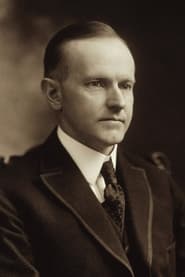
Calvin Coolidge
Actor
- Born
- July 4, 1872, Plymouth Notch, Vermont, United States
- Died
- January 5, 1933
- Active
- 1924-1924
- Birth name
- John Calvin Coolidge Jr.
Films 1
About Calvin Coolidge
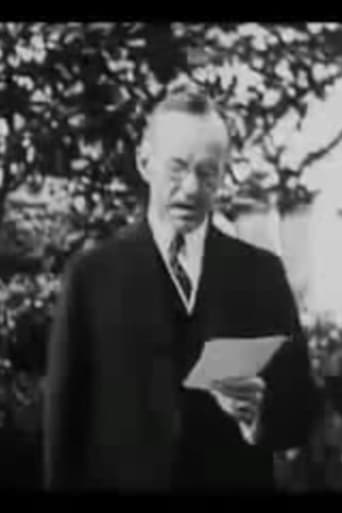
Calvin Coolidge was the 30th President of the United States, not a film actor, but he does appear in early motion-picture records as himself in the 1924 short newsreel-style title "President Coolidge, Taken on the White House Grounds." Born in Plymouth Notch, Vermont, Coolidge built his career in law and Republican politics before becoming nationally prominent as Governor of Massachusetts and later Vice President and President of the United States. His on-screen presence was not that of a professional performer; rather, it reflects the early cinema tradition of documenting public figures, government events, and presidential imagery for audiences fascinated by political life. As a historical figure captured by the camera rather than a working screen artist, he became one of the many statesmen whose image entered film history through actuality footage and short subjects. His reputation in American culture was shaped far more by his presidency, his restrained public persona, and the nickname "Silent Cal" than by any acting career. Because the credited 1924 film is a documentary or newsreel item associated with his presidency, he should not be confused with a Hollywood performer of the same era. In cinema databases, he is best understood as a historical personality appearing in film footage rather than as a traditional actor with a body of acting roles.
More about Calvin Coolidge
On screen
No professional acting style is documented, since Coolidge was not a screen actor in the conventional sense. His film presence comes from actuality footage and newsreel documentation, where his manner was famously restrained, composed, and minimally expressive. In public, he projected a controlled, deliberate stillness that contributed to the "Silent Cal" persona, which translated into a highly stoic on-camera image. Any cinematic record of him is best understood as documentary presence rather than performance.
In film history
Calvin Coolidge had enormous cultural impact as a political figure whose image circulated widely in the age of newsreels, early documentary shorts, and photographic journalism. Although not an entertainment performer, his presidency became part of the visual culture of the 1920s, and his public appearances were routinely captured for theatrical and non-theatrical exhibition. The nickname "Silent Cal" helped create a memorable persona that fit perfectly into the visual shorthand of silent-era media, where understatement and physical reserve could be read instantly by audiences. His image in film history is therefore tied to the intersection of politics, celebrity, and early screen documentation, making him an important figure in the broader culture of classic cinema. He exemplifies how motion pictures preserved and shaped the public memory of twentieth-century American leaders.
Later reputation
Coolidge's lasting legacy in film history lies not in performance but in representation: he is one of the many major public figures whose image was preserved by the moving-picture medium during the silent era. His appearances in film and newsreel form part of the visual record of the American presidency and help historians understand how political authority was framed for mass audiences in the 1920s. In classic cinema archives, figures like Coolidge remind us that early film was not only about actors and studios but also about public events, government spectacle, and documentary realism. His name also endures because his persona was so distinctive that it became inseparable from his image in photographs and film clips. For researchers and database users, he stands as a historically significant on-screen subject rather than a conventional performer.
Influence
Coolidge influenced later political image-making more than acting or directing. His carefully controlled public persona demonstrated the power of restraint, silence, and composure in mass-media politics, traits that later presidents and public figures studied or emulated. In film and media history, his presence in early screen documentation contributed to the evolving language of how presidents were photographed, filmed, and presented to the public. The enduring "Silent Cal" image helped establish the idea that a political figure could be memorable through minimalism as much as through rhetoric.
Off screen
Calvin Coolidge was married to Grace Anna Goodhue in 1905, and the marriage was a central part of his personal life until his death. The couple had two sons, John and Calvin Jr., though their family life was marked by tragedy when Calvin Jr. died at a young age in 1933. Coolidge was known for a private, reserved temperament and a preference for simplicity, discipline, and domestic routine. He was educated at Amherst College and later studied law, entering public service after building a legal and political career in Massachusetts. His personal reputation for quietness and restraint became part of American folklore and shaped how he was presented in public and in the press.
Education
Northampton High School; Amherst College; studied law in Northampton, Massachusetts
Credits
- Served as the 30th President of the United States from 1923 to 1929
- Appeared in the 1924 film credit "President Coolidge, Taken on the White House Grounds" as a recorded public figure
- Became one of the most recognizable political personalities of the 1920s, widely documented by newsreels and public-event films
- Developed a national reputation for restraint, brevity, and a calm public image that made him a recurring subject of photographic and cinematic coverage
- Remains a frequently referenced historical figure in American political and cultural history
Roles
- Self as President of the United States in historical footage
- Self in "President Coolidge, Taken on the White House Grounds" (1924)
Films
Awards
- No known acting awards
Nominations
- No known film award nominations
Honors
- 30th President of the United States
- Subject of extensive contemporary press, photography, and newsreel coverage
Collaborators
- No known film collaborators in the conventional sense
Studios
- No traditional studio affiliations; associated with newsreel and actuality filmmaking through presidential coverage
Family
- Grace Anna Goodhue Coolidge (1905-1933)
Notes
- He was the 30th President of the United States and is remembered as one of the most reserved major political figures in American history.
- His nickname "Silent Cal" reflected his famously laconic speaking style.
- The credited film connection commonly cited for him is a 1924 title documenting him on the White House grounds, not a conventional acting role.
- He was born on July 4, 1872, in Plymouth Notch, Vermont, making his birthday coincide with Independence Day.
- Coolidge attended Amherst College before entering the legal profession and politics.
- He became president after Warren G. Harding's death in 1923.
- His son Calvin Jr. died in 1933 at the age of 16, a tragedy that deeply affected him.
- His public image was strongly associated with brevity, self-discipline, and a dignified, almost austere demeanor.
Quotes
"After all, the chief business of the American people is business."
"You lose nothing by being polite. You lose a great deal if you are not."
"If you see ten troubles coming down the road, you can be sure that nine will run into the ditch before they reach you."
Questions
Who was Calvin Coolidge?
Calvin Coolidge was the 30th President of the United States and a major public figure of the 1920s. In film history, he is best understood as a historical personality who appeared in motion-picture footage, not as a professional actor.
What films is Calvin Coolidge best known for?
He is primarily associated with "President Coolidge, Taken on the White House Grounds" (1924), a short historical or actuality film documenting him as president. He is not known for a body of dramatic film roles.
When was Calvin Coolidge born and when did he die?
He was born on July 4, 1872, in Plymouth Notch, Vermont, United States. He died on January 5, 1933, in Northampton, Massachusetts, United States.
What awards did Calvin Coolidge win?
He did not receive acting awards or film-industry honors. His recognition came from political office and historical prominence, especially as president of the United States.
What was Calvin Coolidge's acting style?
He did not have a conventional acting style because he was not a professional screen performer. His on-camera presence in newsreels and actuality footage was marked by reserve, calm, and minimal expression, which matched his famous public persona.
What is Calvin Coolidge's legacy in film history?
His legacy in film history is as one of the important public figures whose image was preserved by silent-era and early documentary filmmaking. He represents the way motion pictures helped shape the public memory of presidents and political life.