Films
1 film
About Vladimir Ballyuzek
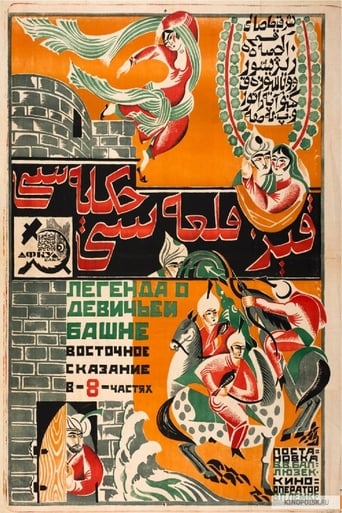
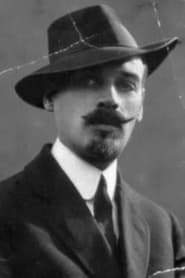
Soviet filmmaker active during the nascent years of Azerbaijani cinema. His entire known filmography consists of a single, yet highly significant, work: the 1924 silent film 'Maiden Tower Legend' (Qız qalası əfsanəsi). This film was one of the earliest feature-length motion pictures produced in Azerbaijan and was based on the nation's most famous and beloved legend. Ballyuzek's work was instrumental in establishing the foundational myths of Azerbaijani culture on the silver screen, blending folklore with the cinematic techniques of the era. His direction captured the romantic and tragic essence of the ancient tale, utilizing the dramatic landscapes of Baku as a backdrop. Though his career was seemingly brief, his contribution represents a crucial milestone in the national cinematic history of the Caucasus region. His film remains a vital artifact from the silent era, studied for its historical and cultural significance.
The Craft
Behind the Camera
Vladimir Ballyuzek's directing style, as evidenced by his sole surviving work, was emblematic of the silent era's romantic and nationalistic movements. He employed a narrative-driven approach, focusing on clear visual storytelling to convey the epic and emotional weight of a national legend. His use of location shooting, particularly with the iconic Maiden Tower as a central symbol, provided a strong sense of place and cultural authenticity. The film's pacing and composition suggest an influence from Russian and European cinematic traditions of the 1920s, adapted to serve a local, folkloric narrative. His style was foundational, prioritizing clarity and emotional resonance over avant-garde experimentation.
Milestones
- Directed 'Maiden Tower Legend' (1924), a cornerstone of Azerbaijani silent cinema
Best Known For
Must-See Films
Accolades
Special Recognition
- Recognized in Azerbaijani film history as the director of a landmark national film
Working Relationships
Studios
Why They Matter
Impact on Culture
Vladimir Ballyuzek's cultural impact is inextricably linked to his film 'Maiden Tower Legend,' which served as a cinematic vessel for one of Azerbaijan's most cherished national myths. By bringing the legend to the screen in the 1920s, he helped codify and preserve the story for new generations during a period of significant cultural and political transformation under Soviet rule. The film itself became a cultural touchstone, representing the birth of a national cinema and the power of film to celebrate and immortalize folklore. His work demonstrated that local stories could have universal appeal and cinematic power, paving the way for future Azerbaijani filmmakers to explore their cultural heritage.
Lasting Legacy
Vladimir Ballyuzek's legacy is that of a foundational figure in Azerbaijani cinema, a pioneer whose single film marks a significant historical milestone. While his name may not be widely known internationally, within the context of film history in the Caucasus, he is remembered as the director who brought the 'Maiden Tower Legend' to life. His film is studied as a prime example of early Soviet national cinema, showcasing how folklore was used to build cultural identity. His legacy endures every time the story of the Maiden Tower is told or the early history of Azerbaijani film is discussed.
Who They Inspired
As a director from the silent era with a very limited filmography, Ballyuzek's direct influence on subsequent filmmakers is difficult to trace. However, his work serves as an inspirational and historical touchstone for Azerbaijani cinema. Later generations of Azerbaijani directors looking to their nation's past for stories would have found in 'Maiden Tower Legend' a powerful precedent for adapting national legends for the screen. His film stands as an early testament to the idea that cinema is a potent medium for cultural expression, influencing the national consciousness of what Azerbaijani film could be.
Off Screen
Very little is documented about the personal life of Vladimir Ballyuzek, as he was a filmmaker from the very early Soviet period, a time when detailed records on regional directors were not consistently maintained. His life and career remain largely a mystery outside of his one major cinematic contribution. The focus of historical records remains squarely on his film rather than the man himself.
Did You Know?
- 'Maiden Tower Legend' is based on Azerbaijan's most famous national legend, explaining the origin of Baku's iconic Maiden Tower.
- The film was produced by Azdovlatkino, the state-controlled film industry in Soviet Azerbaijan during the 1920s.
- The film is considered lost, with only fragments or still photographs possibly surviving, though it is frequently cited in historical texts.
- Ballyuzek's entire known directorial career consists of this single film from 1924.
- The film was a silent production, as was typical for the era, with intertitles used to convey dialogue and narration.
- He was one of the first directors to shoot a feature-length narrative film on location in Baku.
Frequently Asked Questions
Who was Vladimir Ballyuzek?
Soviet filmmaker from the silent era, best known for directing the 1924 film 'Maiden Tower Legend.' He is a significant figure in the history of Azerbaijani cinema as the director of one of its earliest and most culturally important feature films.
What films is Vladimir Ballyuzek best known for?
Titles linked here include Maiden Tower Legend (1924).
When was Vladimir Ballyuzek born and when did he die?
Unfortunately, the birth and death dates for Vladimir Ballyuzek are not documented in available historical records. He is only known to have been active as a director in 1924.
What awards did Vladimir Ballyuzek win?
There are no records of Vladimir Ballyuzek receiving any formal awards or nominations for his work. His recognition is primarily historical, as a pioneer who directed a foundational film for Azerbaijani national cinema.
What was Vladimir Ballyuzek's directing style?
Ballyuzek's directing style in 'Maiden Tower Legend' was characteristic of the 1920s silent era, focusing on clear, romantic, and nationalistic visual storytelling. He used location shooting to ground the national legend in the authentic landscape of Azerbaijan, particularly around the iconic Maiden Tower in Baku.