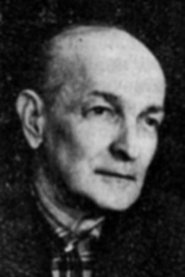
Nikolai Khodataev
Director
Born: May 15, 1892 in Moscow, Russian Empire Died: April 10, 1966 Active: 1925-1933 Birth Name: Nikolai Petrovich Khodataev
Films
3 films

About Nikolai Khodataev
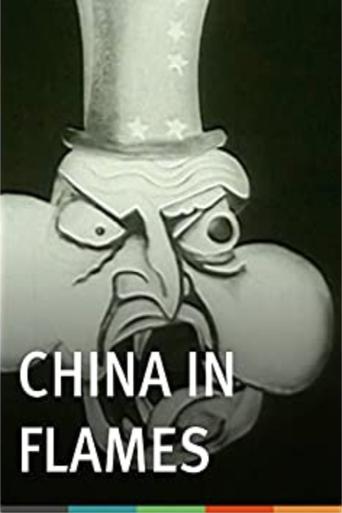
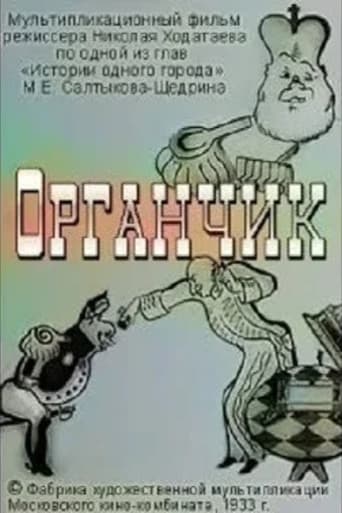
Soviet animation director who in establishing the foundations of Soviet animated cinema during the 1920s and 1930s. He emerged as one of the first generation of Soviet animators following the Russian Revolution, creating politically charged works that reflected the ideological priorities of the new Soviet state. His most significant early work, 'China in Flames' (1925), was a propaganda film that used innovative animation techniques to support Soviet foreign policy positions. Khodataev continued to develop his craft throughout the late 1920s, experimenting with various animation styles and techniques while working at Soviet state film studios. By the early 1930s, he had established himself as one of the leading figures in Soviet animation, though his career would eventually be overshadowed by the rise of more prominent animators like Ivan Ivanov-Vano. His final notable work, 'Organchik' (1933), demonstrated his continued commitment to both artistic innovation and ideological messaging during the formative years of Soviet animation.
The Craft
Behind the Camera
Khodataev's directing style was characterized by bold, graphic imagery and strong political messaging. He employed innovative cut-out animation techniques that allowed for dynamic movement while maintaining a distinctive visual aesthetic. His work often featured exaggerated caricatures and symbolic representations that served clear propaganda purposes. Khodataev was particularly skilled at using animation to convey complex political ideas in accessible, visually striking ways. His films demonstrated a mastery of visual storytelling that could transcend language barriers, making them effective tools for international Soviet messaging.
Milestones
- Directed 'China in Flames' (1925), one of the first Soviet animated feature films
- Pioneered cut-out animation techniques in Soviet cinema
- Created politically charged propaganda animations during the early Soviet period
- Worked at Goskino and other state film studios during the formative years of Soviet animation
- Contributed to the development of Soviet animation as an art form
Best Known For
Must-See Films
Accolades
Special Recognition
- Recognized as a pioneer of Soviet animation in film history texts
- Featured in retrospectives of early Soviet cinema
Working Relationships
Worked Often With
Studios
Why They Matter
Impact on Culture
Nikolai Khodataev made significant contributions to the development of Soviet animation as both an art form and a tool for political communication. His work helped establish animation as a legitimate medium for serious artistic expression in the Soviet Union, moving beyond simple entertainment to become a vehicle for ideological messaging. 'China in Flames' represented one of the earliest examples of animation being used for international political propaganda, demonstrating the medium's potential to influence public opinion beyond national borders. Khodataev's technical innovations, particularly in cut-out animation, provided a foundation for subsequent Soviet animators to build upon. His films reflected the revolutionary spirit of the 1920s and helped shape the visual language of Soviet propaganda cinema.
Lasting Legacy
Nikolai Khodataev's legacy endures as one of the founding figures of Soviet animation, though his name is less widely recognized than some of his contemporaries. His work in the 1920s helped establish animation as a serious artistic medium in the Soviet Union, paving the way for the golden age of Soviet animation that would follow in later decades. Film historians and animation scholars continue to study his early works for their technical innovation and historical significance. Khodataev represents the experimental, politically engaged spirit of early Soviet cinema, when artists believed they could help build a new society through their creative work. His films remain important historical documents that provide insight into both the technical development of animation and the political priorities of the early Soviet state.
Who They Inspired
Khodataev influenced subsequent generations of Soviet animators through his technical innovations and his demonstration of animation's potential as a medium for serious artistic expression. His work with cut-out techniques provided a foundation for animators working with limited resources during the early Soviet period. His approach to using animation for political purposes influenced how Soviet propaganda films would be conceptualized and executed for decades. While he may not be as well-known as some later Soviet animation directors, his early contributions helped shape the aesthetic and ideological parameters within which Soviet animation would develop. Contemporary animators and film scholars continue to study his work for insights into the origins of Soviet animation and the relationship between art and politics in early Soviet culture.
Off Screen
Nikolai Khodataev lived through. He was part of the artistic intelligentsia who embraced the Soviet project and sought to contribute to the building of a new socialist culture through cinema. Like many artists of his generation, he had to navigate the complex relationship between artistic expression and political requirements during the early Soviet period. His later years were marked by the changing demands of Socialist Realism in the 1930s, which may have limited his creative freedom.
Education
Studied at the Moscow School of Painting, Sculpture and Architecture before transitioning to film work
Did You Know?
- 'China in Flames' was created using cut-out animation techniques and was one of the first Soviet animated films to address international politics
- Khodataev was part of a group of Soviet animators who developed their craft largely through experimentation
- His films were often created with very limited resources, requiring innovative solutions to technical challenges
- The animation techniques used in his films influenced the development of Soviet animation for decades
- Khodataev worked during a period when Soviet cinema was undergoing rapid transformation and experimentation
- His films are now considered important historical artifacts of early Soviet propaganda
- Many of his films have been lost or exist only in fragmentary form due to the fragility of early film stock
- He was part of the first generation of filmmakers who had to adapt to the transition from silent to sound cinema
- His work demonstrates how animation was used as a tool for international diplomacy and political messaging
- Khodataev's active years covered the crucial period when Soviet animation was establishing its unique identity
In Their Own Words
Animation is not just for children's stories; it is a powerful weapon for revolutionary consciousness
Every frame must serve the cause of building socialism
The moving image can reach where words cannot, carrying our message to the masses
Frequently Asked Questions
Who was Nikolai Khodataev?
Soviet animation on YTB.my. He was one of the first generation of Soviet animators and created some of the earliest Soviet animated films, including 'China in Flames' (1925). His work was notable for its technical innovation and strong political messaging.
What films is Nikolai Khodataev best known for?
Titles linked here include China in Flames (1925), Organchik (1933).
When was Nikolai Khodataev born and when did he die?
Born May 15, 1892; died April 10, 1966.
What awards did Nikolai Khodataev win?
While Khodataev did not receive major formal awards during his lifetime, he is recognized by film historians as a pioneer of Soviet animation. His work has been featured in retrospectives of early Soviet cinema, and he is acknowledged in film history texts for his contributions to establishing animation as an art form in the Soviet Union.
What was Nikolai Khodataev's directing style?
Khodataev's directing style was characterized by bold, graphic imagery and strong political messaging. He specialized in cut-out animation techniques that allowed for dynamic movement while maintaining a distinctive visual aesthetic. His films featured exaggerated caricatures and symbolic representations that served clear propaganda purposes, demonstrating his skill at using animation to convey complex political ideas in accessible ways.
How did Nikolai Khodataev influence Soviet animation?
Khodataev influenced Soviet animation by technical techniques and demonstrating animation's potential for serious artistic expression. His work helped establish animation as a legitimate medium in the Soviet Union beyond mere entertainment. His innovations in cut-out animation provided a foundation for subsequent Soviet animators, and his approach to using animation for political purposes influenced how Soviet propaganda films would be made for decades.
What was the significance of 'China in Flames'?
'China in Flames' (1925) was significant as one of the first Soviet animated feature films and an early example of animation used for international political propaganda. The film supported Soviet foreign policy regarding China and demonstrated how animation could be used to convey complex political messages across language barriers. It remains an important historical document of both Soviet animation techniques and early Soviet foreign policy.