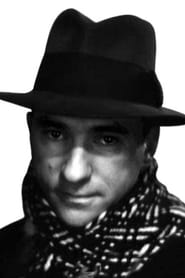
Nikolai Ekk
Actor & Director
Born: May 14, 1902 in Riga, Russian Empire (now Latvia) Died: July 14, 1976 Active: 1929-1936 (as director), continued in film industry roles until 1976 Birth Name: Nikolai Vladimirovich Ekk
Films
3 films

About Nikolai Ekk
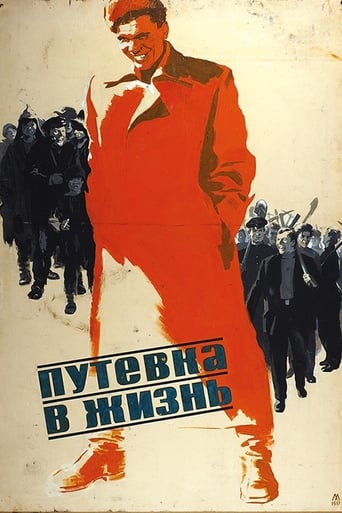
Soviet film director who in the development of early Soviet sound cinema. He began his career in the late 1920s during the transition from silent to sound films in the Soviet Union. His most significant achievement came with 'Road to Life' (1931), which is widely recognized as the first Soviet sound film and a landmark in cinema history. Ekk continued directing throughout the 1930s, creating films that aligned with Soviet socialist realist principles while experimenting with new cinematic techniques. His work often focused on themes of youth, education, and social transformation, reflecting the ideological priorities of the era. Despite his relatively short active period, Ekk's innovations in sound technology and narrative structure influenced subsequent generations of Soviet filmmakers. His career was cut short by the political purges of the late 1930s, though he continued to work in the film industry in various capacities. Ekk's legacy remains primarily tied to his work in bringing synchronized sound to Soviet cinema.
The Craft
On Screen
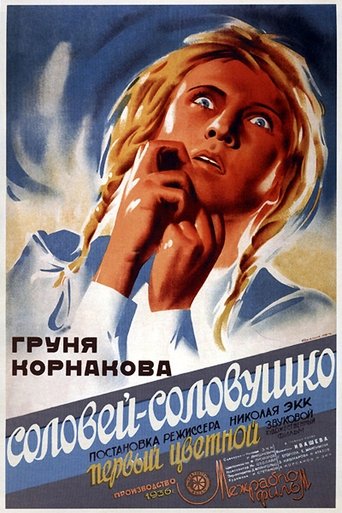
As an actor, Ekk appeared in only one film ('Nightingale', 1936), where he demonstrated a naturalistic approach that aligned with the emerging socialist realist aesthetic, focusing on authentic character portrayal rather than theatrical performance.
Behind the Camera
Ekk's directing style was innovative and experimental, particularly in his approach to sound cinema. He emphasized the integration of sound with visual storytelling, often using natural sounds and dialogue to enhance realism. His work reflected socialist realist principles while incorporating modern cinematic techniques, including dynamic camera movement and innovative editing patterns.
Milestones
- Directed 'Road to Life' (1931), the first Soviet sound film
- Pioneered sound recording techniques in Soviet cinema
- Won the Stalin Prize for 'Road to Life'
- Directed 'Carnival of Colours' (1935), an early color experiment
- Acted in 'Nightingale' (1936) while directing
Best Known For
Iconic Roles
Must-See Films
Accolades
Won
- Stalin Prize (1941) for 'Road to Life'
- Order of the Red Banner of Labour
- Honored Artist of the RSFSR
Nominated
- Moscow International Film Festival consideration for 'Road to Life'
Special Recognition
- Pioneer of Soviet Sound Cinema
- Honored Worker of Culture of the RSFSR
Working Relationships
Worked Often With
Studios
Why They Matter
Impact on Culture
Nikolai Ekk's most significant cultural impact was his role in introducing synchronized sound to Soviet cinema with 'Road to Life'. This film not only demonstrated technical innovation but also established a template for how sound could be used ideologically in socialist realist cinema. His work helped establish Soviet cinema as a major force in international film during the early sound era, proving that Soviet filmmakers could compete with Western studios in technical achievement. The themes of youth rehabilitation and social transformation in his films reflected and reinforced Soviet cultural values of the 1930s.
Lasting Legacy
Ekk's legacy as a pioneer of Soviet sound cinema remains his most enduring contribution. 'Road to Life' continues to be studied by film historians as a landmark in the transition from silent to sound cinema, particularly in how it addressed the challenges of sound recording in outdoor locations and its integration of non-professional actors. His techniques influenced subsequent generations of Soviet filmmakers working with sound and location shooting. Though his directorial career was brief, his innovations had lasting impact on the technical and artistic development of Soviet cinema.
Who They Inspired
Ekk influenced Soviet cinema primarily through his technical innovations in sound recording and his approach to integrating sound with visual storytelling. His work demonstrated that Soviet filmmakers could achieve technical parity with Western studios while maintaining ideological authenticity. His methods of working with non-professional actors and location shooting influenced the documentary and realist traditions in Soviet cinema. Later Soviet filmmakers studying at VGIK learned from his techniques as part of the curriculum on early Soviet cinema pioneers.
Off Screen
Nikolai Ekk was married and had children, though detailed information about his family life remains limited due to the private nature of Soviet-era personal records. He survived the Stalinist purges that affected many of his contemporaries in the film industry, though his directorial career was effectively ended by the political climate of the late 1930s. He continued to work in various capacities within the Soviet film system, contributing to the development of cinema education and preservation.
Education
Graduated from the State Institute of Cinematography (VGIK) in Moscow, studied under influential Soviet film theorists and practitioners of the 1920s
Family
- Information not publicly available
Did You Know?
- 'Road to Life' was not only the first Soviet sound film but also one of the first films worldwide to use portable sound recording equipment on location
- The film was shot in real juvenile reform colonies, using actual students as actors
- Ekk experimented with early color processes in 'Carnival of Colours', though the film was primarily released in black and white
- His work on sound technology was so significant that Soviet film studios adopted his methods as standard practice
- Despite his success, Ekk directed only three feature films due to the political constraints of the late 1930s
- 'Road to Life' was critically acclaimed internationally and shown at film festivals in Venice and London
- Ekk was one of the few Soviet directors of his generation to successfully transition from silent to sound films
- His technical innovations included developing methods for recording dialogue in outdoor settings, which was particularly challenging with early sound equipment
- The success of 'Road to Life' earned him the Stalin Prize, one of the highest honors in the Soviet Union
- After his directing career ended, he continued to work as a consultant and educator in the Soviet film industry
In Their Own Words
Sound is not just an addition to the image, but a new dimension of cinematic truth that must serve the people's consciousness
The road to life shown in cinema must reflect the road to life we are building in reality
Technical innovation without ideological purpose is meaningless in socialist art
Frequently Asked Questions
Who was Nikolai Ekk?
Soviet on YTB.my. He was an innovator in early sound cinema technology and helped establish techniques for location sound recording in the Soviet film industry.
What films is Nikolai Ekk best known for?
Titles linked here include Road to Life (1931), Carnival of Colours (1935).
When was Nikolai Ekk born and when did he die?
Born May 14, 1902; died July 14, 1976.
What awards did Nikolai Ekk win?
Ekk received the Stalin Prize in 1941 for his work on 'Road to Life'. He was also honored with the Order of the Red Banner of Labour and was named an Honored Artist of the RSFSR for his contributions to Soviet cinema.
What was Nikolai Ekk's directing style?
Ekk's directing style was innovative and experimental, particularly in his approach to sound cinema. He emphasized the integration of sound with visual storytelling, used natural sounds and dialogue for realism, and incorporated socialist realist themes while experimenting with modern cinematic techniques.
How did Nikolai Ekk influence Soviet cinema?
Ekk revolutionized Soviet cinema by sound recording techniques and demonstrating how sound could be integrated with visual storytelling. His work on 'Road to Life' established technical standards for Soviet sound films and influenced generations of filmmakers working with sound technology and location shooting.
Why did Nikolai Ekk's directing career end so early?
Ekk's directing career effectively ended in the late 1930s due to the political climate of Stalinist Russia and the increased ideological scrutiny of artists. While he survived the purges that claimed many contemporaries, the political constraints limited his opportunities to direct feature films, though he continued working in other film industry capacities.