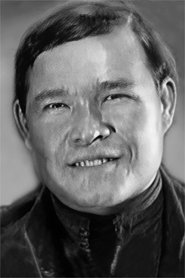
Yvan Kyrlya
Actor
Born: 1908 in Chuvash Republic, Russia Died: 1943 Active: 1931 Birth Name: Ivan Kirillovich Kyrlya
Films
1 film
About Yvan Kyrlya
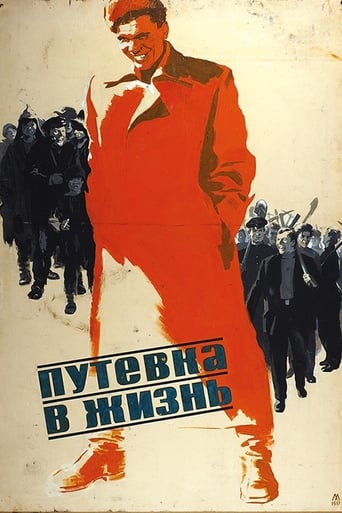
Soviet actor of Chuvash ethnicity who emerged during the formative years of Soviet cinema. His brief but notable career culminated in his performance as Mustafa in the landmark Soviet film 'Road to Life' (1931), which was one of the earliest Soviet sound films and a significant propaganda piece about juvenile delinquency rehabilitation. Kyrlya, like many actors of his era, was discovered during the Soviet government's push to include diverse ethnic representatives in cinema to showcase the unity of the Soviet peoples. His performance in 'Road to Life' was particularly significant as it represented one of the first times a Chuvash actor appeared in a major Soviet film production. Unfortunately, his career was cut short, with 1931 being the only recorded year of his film activity. The limited documentation about his later life reflects the tragic fate of many minority artists during Stalin's purges of the 1930s, though specific details about his ultimate fate remain unclear in historical records.
The Craft
On Screen
Naturalistic performance style characteristic of early Soviet socialist realism, emphasizing authentic emotional expression and working-class authenticity
Milestones
- Starred in 'Road to Life' (1931), one of the first Soviet sound films
- One of the first Chuvash actors to appear in major Soviet cinema
- Represented ethnic diversity in early Soviet film propaganda
Best Known For
Iconic Roles
Must-See Films
Working Relationships
Worked Often With
Studios
Why They Matter
Impact on Culture
Yvan Kyrlya's appearance in 'Road to Life' represented an important moment in Soviet cinema's effort to showcase the diversity of Soviet peoples and promote the ideal of a unified socialist state. As one of the first Chuvash actors in Soviet film, he helped pave the way for greater representation of ethnic minorities in Soviet cinema. His role in this groundbreaking sound film contributed to the Soviet project of creating a new socialist culture that included all nationalities within the USSR.
Lasting Legacy
Though his filmography consists of only one known film, Yvan Kyrlya's legacy endures as a pioneer for Chuvash and other minority actors in Soviet cinema. 'Road to Life' remains an important historical document of early Soviet sound cinema and social policy, and Kyrlya's performance is preserved as part of this significant cultural artifact. His story reflects both the opportunities and tragedies faced by minority artists during the early Soviet period.
Who They Inspired
Kyrlya's brief but notable appearance in a major Soviet film helped demonstrate that actors from diverse ethnic backgrounds could succeed in Soviet cinema, potentially encouraging other minority performers to pursue careers in film. His work during the transition from silent to sound cinema represents the broader transformation of Soviet film during this crucial period.
Off Screen
Very little is documented about Yvan Kyrlya's personal life, which was common for many minority actors in early Soviet cinema. As a Chuvash actor during the early Soviet period, he likely faced the challenges of representing his ethnic minority in the broader Soviet cultural landscape. His life coincided with some of the most turbulent periods in Soviet history, including collectivization and the Great Purge, which disproportionately affected minority populations and artists.
Education
Limited information available, likely received training through Soviet cultural programs promoting ethnic minority participation in arts
Did You Know?
- 'Road to Life' was one of the first Soviet sound films and won an award at the Venice Film Festival
- The film was based on real events at the Bolshovo labor commune for juvenile delinquents
- Kyrlya was of Chuvash ethnicity, a Turkic people from the Volga region of Russia
- The film's original Russian title was 'Putevka v zhizn'
- Director Nikolai Ekk cast many non-professional actors to achieve authenticity
- The film was praised internationally for its social message and technical achievements
- Kyrlya's character Mustafa was one of the juvenile delinquents being rehabilitated
- The film was banned in several countries for its communist propaganda content
- Very little documentation survives about Kyrlya's life beyond this one film
- His death in 1943 suggests he may have been a victim of World War II or earlier Stalinist purges
In Their Own Words
No documented quotes from Yvan Kyrlya survive in historical records
Frequently Asked Questions
Who was Yvan Kyrlya?
Screen credits include the landmark 1931 film 'Road to Life', one of the first Soviet sound films. He is primarily known for his role as Mustafa in this influential production, which focused on juvenile rehabilitation in Soviet society.
What films is Yvan Kyrlya best known for?
Titles linked here include Road to Life (1931).
When was Yvan Kyrlya born and when did he die?
Born 1908; died 1943.
What awards did Yvan Kyrlya win?
There are no documented awards or nominations specifically for Yvan Kyrlya. However, the film he appeared in, 'Road to Life,' received international recognition, including an award at the Venice Film Festival, which brought attention to its cast including Kyrlya.
What was Yvan Kyrlya's acting style?
Kyrlya's acting style reflected the naturalistic approach of early Soviet socialist realism, emphasizing authentic emotional expression and working-class authenticity. His performance in 'Road to Life' was typical of the era's focus on realistic portrayals of Soviet citizens and social transformation.