
Films
1 film
About André Berley
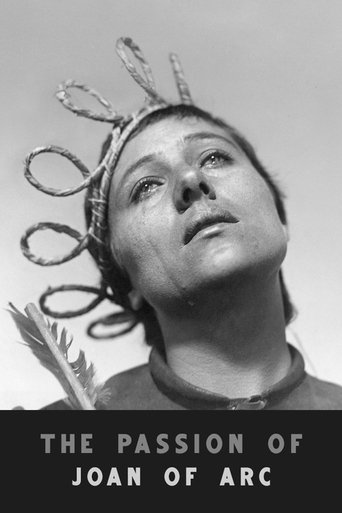
The 1928 film The Passion of Joan of Arc is the only title linked here for André Berley. His career appears to have been brief but significant, with his most notable work being this landmark film of the silent era. Berley portrayed Jean d'Estivet, the prosecutor who relentlessly interrogates Joan during her trial, delivering a performance that contributed to the film's intense emotional impact. Though his filmography seems limited to this single major production, his work in Dreyer's film has ensured his place in cinema history. André Berley's naturalistic and intense acting style was perfectly suited to Dreyer's innovative approach to filmmaking, which emphasized extreme close-ups and authentic emotional performances. Berley's portrayal of the prosecutor showcased the dramatic intensity that characterized French acting of the late silent period. His contribution to this critically acclaimed masterpiece represents his entire known film legacy, making him a fascinating figure for cinema historians studying the cast of this revolutionary film.
The Craft
On Screen
Naturalistic and intense, characteristic of French silent era acting, with emphasis on authentic emotional expression through facial close-ups
Milestones
- Portrayed Jean d'Estivet in 'The Passion of Joan of Arc' (1928)
- Participated in
- Contributed to Carl Theodor Dreyer's revolutionary masterpiece
Best Known For
Iconic Roles
Must-See Films
Working Relationships
Worked Often With
Studios
Why They Matter
Impact on Culture
André Berley's contribution to cinema, though limited to a single major role, is significant due to his participation in 'The Passion of Joan of Arc,' widely regarded as one of the greatest films ever made. His portrayal of the prosecutor Jean d'Estivet contributed to the film's powerful examination of institutional power versus individual conviction. The film itself has influenced generations of filmmakers with its innovative use of close-ups and its intense emotional authenticity. Berley's performance, as part of the ensemble cast, helped establish new standards for naturalistic acting in cinema, moving away from the theatrical style common in earlier silent films. The film's preservation and continued study by film scholars ensures that Berley's work remains accessible and influential.
Lasting Legacy
André Berley's legacy is intrinsically tied to his role in 'The Passion of Joan of Arc,' ensuring his place in film history despite having an apparently brief career. His performance as the prosecutor represents an important example of the naturalistic acting style that emerged in late silent cinema. Film scholars and enthusiasts continue to study his work as part of their analysis of Dreyer's masterpiece. While he may not have achieved widespread fame during his lifetime, his contribution to this landmark film has granted him immortality in cinema history. His performance shows the power of ensemble acting in creating cinematic masterpieces, and his work continues to be appreciated by new generations of film viewers through restorations and screenings of Dreyer's classic.
Who They Inspired
While specific documentation of André Berley's influence on other actors is limited due to the brevity of his career, his performance in 'The Passion of Joan of Arc' contributed to the film's broader influence on cinematic acting. The film's naturalistic approach to performance, which Berley's work exemplified, helped pave the way for more realistic acting styles in sound cinema. His intense yet restrained portrayal of the prosecutor demonstrated how subtlety and emotional authenticity could be more powerful than overt theatricality. This approach influenced subsequent generations of actors, particularly in French cinema, where the film's impact was most immediately felt. The film's continued study in film schools ensures that Berley's performance continues to influence emerging actors and directors.
Off Screen
Very little is documented about André Berley's personal life, which was not uncommon for supporting actors in the silent film era, especially those with brief film careers. His legacy exists primarily through his contribution to one of cinema's most important works.
Did You Know?
- Appeared in only one major film that has survived as a cinematic masterpiece
- Played Jean d'Estivet, the historical prosecutor who interrogated Joan of Arc
- His performance was captured using Carl Theodor Dreyer's revolutionary close-up techniques
- The film 'The Passion of Joan of Arc' was considered lost for decades before a perfect copy was found in 1981
- The film's script was based directly on the actual trial transcripts from 1431
- Berley worked alongside Renée Falconetti, whose performance as Joan is considered one of the greatest in cinema history
- The film was initially controversial in France due to its sympathetic portrayal of Joan
- Dreyer reportedly forced actors to remain on set for hours to achieve the exhausted, authentic expressions he wanted
- The film was shot in France with a primarily French cast, unusual for its time
- Berley's character represents the institutional Church authority that condemned Joan to death
Frequently Asked Questions
Who was André Berley?
French with credits in this catalog.' Though his film career appears to have been brief, his contribution to this acclaimed film has ensured his place in cinema history as part of.
What films is André Berley best known for?
Titles linked here include The Passion of Joan of Arc (1928).
When was André Berley born and when did he die?
Specific birth and death dates for André Berley are not well-documented in historical records, which was not uncommon for supporting actors from the silent film era, particularly those with brief careers. He is known to have been active as an actor in 1928.
What awards did André Berley win?
There are no documented awards or nominations specifically for André Berley, which was typical for many supporting actors of the silent era, especially those with limited filmographies. His recognition comes primarily through the lasting acclaim of 'The Passion of Joan of Arc' itself.
What was André Berley's acting style?
André Berley's acting style in 'The Passion of Joan of Arc' was naturalistic and intense, characteristic of the more realistic approach that emerged in late silent cinema. His performance was particularly effective in the film's famous close-up sequences, where he conveyed the prosecutor's authority and determination through subtle facial expressions rather than broad theatrical gestures.