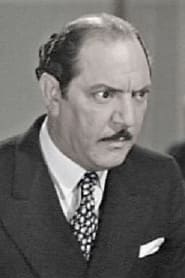
Harry Semels
Actor
Born: November 21, 1887 in Boston, Massachusetts, USA Died: March 2, 1946 Active: 1917-1946
Films
3 films
About Harry Semels
Harry Semels was cast in over 400 films during Hollywood's golden age, spanning from the silent era through the early 1940s. Born in Boston, Massachusetts, he began his film career in 1917 and quickly became a familiar face to movie audiences, though often in uncredited or minor roles. Semels possessed remarkable versatility, transforming himself into various character types from authority figures to comic relief, making him an invaluable supporting player throughout his nearly three-decade career. He successfully navigated the challenging transition from silent films to talkies, adapting his performance style to the new medium while maintaining his distinctive presence. Semels worked with virtually every major studio in Hollywood and appeared in numerous comedy shorts, particularly with The Three Stooges, as well as feature films across all genres. Despite his extensive filmography and consistent work, he rarely received screen credit, which was common for character actors of his era. His career continued steadily until his death in 1946, leaving behind a substantial body of work that represents the backbone of Hollywood's studio system and the essential but often overlooked actors who made it function.
The Craft
On Screen
As a character actor, Semels was known for his remarkable versatility and ability to quickly establish character types with minimal screen time. He possessed a distinctive presence that allowed him to play various ethnicities and social classes, making him invaluable to casting directors across Hollywood studios. His style was grounded in the theatrical traditions of the early 20th century, with expressive gestures and facial features that translated effectively in silent films. With the advent of sound, he skillfully adapted his technique to incorporate vocal characterization while maintaining his visual impact. Semels was particularly effective in comic roles, where his timing and expressive face contributed significantly to the humor. He often played authority figures, businessmen, or comic foils to the main stars, bringing reliability and professionalism to every role regardless of its size or importance.
Milestones
- Appeared in over 400 films during his 29-year career
- Successfully transitioned from silent films to talkies
- Worked with major studios including MGM, Warner Bros., and Columbia Pictures
- Appeared in numerous Three Stooges shorts
- Played diverse character types from villains to comic relief
- Maintained steady employment through the Great Depression
- Worked across all film genres from comedy to westerns
Best Known For
Iconic Roles
Must-See Films
Working Relationships
Worked Often With
Studios
Why They Matter
Impact on Culture
Harry Semels represents the essential but often overlooked character actors who formed the backbone of Hollywood's studio system during its golden age. His extensive filmography of over 400 films provides a visual record of the types of supporting roles that populated American cinema from the 1920s through the 1940s. While never achieving star status, Semels contributed significantly to the authenticity and richness of hundreds of films, helping to create believable worlds for the main characters to inhabit. His work with The Three Stooges has been particularly enduring, ensuring his legacy continues to be seen by new generations of comedy fans through television broadcasts and home media releases. Semels exemplifies the journeyman actor who made a living through craft rather than stardom, representing an important aspect of film history that often goes unrecognized but was crucial to the functioning of the studio system.
Lasting Legacy
Harry Semels' legacy lies primarily in his remarkable filmography of over 400 films, which shows the working actor's experience during Hollywood's golden age. His appearances in Three Stooges shorts have preserved his work for future generations, with these films remaining popular through decades of television syndication and home media distribution. While individual roles may have been small, collectively they demonstrate the vital importance of character actors in creating fully realized cinematic worlds. Film historians and classic cinema enthusiasts recognize Semels as an example of the reliable supporting players who made the studio system function smoothly. His career spans a crucial period in film history, from the late silent era through the establishment of the classical Hollywood style, making his body of work valuable for understanding the evolution of American cinema and the industry's reliance on versatile character actors.
Who They Inspired
As a character actor, Harry Semels' influence was primarily through his example of professionalism and versatility rather than through direct mentorship of specific individuals. He demonstrated how a working actor could maintain a steady career by adapting to different roles, genres, and the technological changes facing the industry. His ability to transition between silent films and talkies provided a model for other actors facing similar challenges during this pivotal period in cinema history. The consistency of his work across numerous studios and production companies showed how reliable character actors could become indispensable to the industry. While he didn't influence acting techniques in a revolutionary way, his career exemplifies the craft of character acting that would continue to be essential to Hollywood filmmaking for decades to come.
Off Screen
Harry Semels married silent film actress Rosemary Theby in 1923, and their marriage lasted 23 years until his death in 1946. Theby was a prominent actress who appeared in over 200 films during her career, making the couple one of the many acting marriages in Hollywood during that era. They met while working in the film industry and maintained their relationship through the changing landscape of Hollywood from silent films to talkies. The couple had no children together. Semels was known within the Hollywood community as a reliable professional, respected for his work ethic and consistency in an industry known for its instability. His personal life remained relatively private, with little public documentation beyond his marriage to Theby, which was typical for character actors of his time who rarely sought public attention.
Family
- Rosemary Theby (1923-1946, until his death)
Did You Know?
- Harry Semels appeared in over 400 films during his career, though most were uncredited roles
- He worked with The Three Stooges in numerous shorts, often playing authority figures or comic foils
- Semels was married to silent film star Rosemary Theby for 23 years until his death
- He successfully transitioned from silent films to talkies, a challenge that ended many careers of his era
- Despite his extensive filmography, he rarely received screen credit, which was common for character actors
- Semels often played multiple roles in the same film, demonstrating his versatility
- He appeared in films spanning nearly every genre, from comedy to drama to westerns
- His career lasted 29 years, from 1917 until his death in 1946
- Semels worked with virtually every major studio in Hollywood during his career
- He often played ethnic characters, showcasing his ability to transform his appearance and mannerisms
- Semels was
- He appeared in both feature films and short subjects, showing his adaptability to different formats
Frequently Asked Questions
Who was Harry Semels?
Screen credits include over 400 films from 1917 to 1946, primarily in supporting and uncredited roles during Hollywood's golden age. He worked across all major studios and genres, becoming a familiar face to audiences though rarely recognized by name.
What films is Harry Semels best known for?
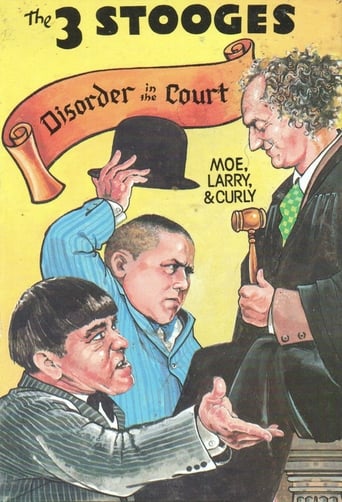
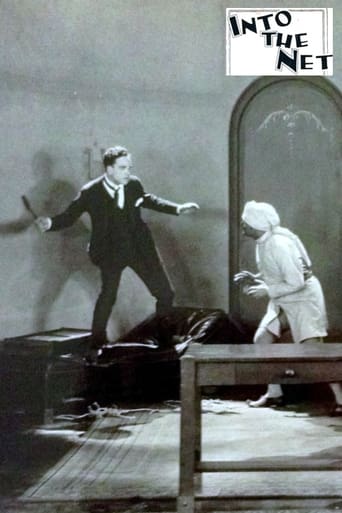
Titles linked here include Disorder in the Court (1936), Into the Net (1924).
When was Harry Semels born and when did he die?
Born November 21, 1887; died March 2, 1946.
What awards did Harry Semels win?
Harry Semels did not receive any major awards or nominations during his career, which was common for character actors of his era who often worked in uncredited roles despite their prolific output.
What was Harry Semels' acting style?
Semels was known for his versatility as a character actor, able to quickly establish different character types with minimal screen time. His style was rooted in theatrical traditions with expressive gestures and features that worked well in both silent films and talkies, making him particularly effective in comic and authority roles.
Was Harry Semels married?
Yes, Harry Semels was married to silent film actress Rosemary Theby from 1923 until his death in 1946. Theby was a prominent actress who appeared in over 200 films during her career.
How did Harry Semels transition from silent films to talkies?
Semels successfully made the transition from silent films to talkies by adapting his acting technique to incorporate vocal characterization while maintaining his visual impact, allowing him to continue working steadily through the 1930s and early 1940s.
Why is Harry Semels significant in film history?
Harry Semels represents the essential character actors who formed the backbone of Hollywood's studio system, with his extensive filmography providing insight into the types of supporting roles that populated films of the 1920s through 1940s and exemplifying the journeyman actor's experience during cinema's golden age.