
Savitri
Actor
Born: December 6, 1936 in Chirravuru, Guntur District, Madras Presidency, British India Died: December 26, 1981 Active: 1950-1981 Birth Name: Nissankara Savitri
Films
5 films
About Savitri
Savitri was actresses in South Indian cinema history, known for her remarkable performances in Telugu and Tamil films during the 1950s and 1960s. Born as Nissankara Savitri, she began her career as a dancer before transitioning to acting, quickly establishing herself as a leading lady with her expressive performances and natural acting style. Her breakthrough came with films like 'Devadasu' (1953) and 'Missamma' (1955), which showcased her ability to portray both comic and dramatic roles with equal finesse. Throughout her career spanning over three decades, she appeared in more than 300 films and became the highest-paid actress of her time in South Indian cinema. She was particularly renowned for her roles opposite actors like N.T. Rama Rao and Akkineni Nageswara Rao in Telugu cinema, and Sivaji Ganesan in Tamil cinema. Later in her career, she also ventured into film production and direction, though she faced financial difficulties. Despite personal challenges, Savitri remained an figure whose contributions to Indian cinema continue to be celebrated decades after her passing.
The Craft
On Screen
Savitri was known for her naturalistic acting style that combined emotional depth with effortless grace. Her performances were characterized by expressive eyes, subtle facial expressions, and the ability to seamlessly transition between comic and dramatic moments. She had a unique talent for portraying strong, independent female characters while maintaining traditional values, making her relatable to audiences across generations. Her dance background contributed to her graceful screen presence, particularly in musical sequences.
Milestones
- Breakthrough role in 'Devadasu' (1953) which established her as a leading actress
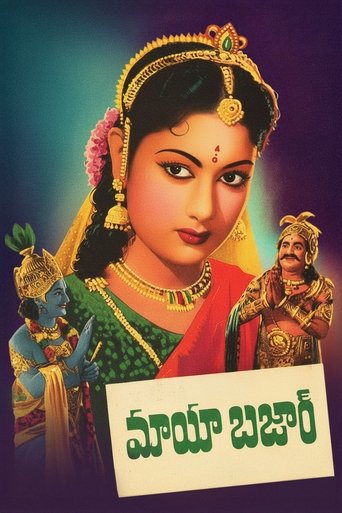
- performance in 'Mayabazar' (1957), considered one of the greatest Indian films ever made
- Received the Rashtrapati Award for her performance in 'Chivaraku Migiledi' (1960)
- Became the highest-paid actress in South Indian cinema during the 1960s
- Successfully transitioned to producer with 'Chinnari Papalu' (1968)
- Directed 'Mathru Devatha' (1972), making her one of the few female directors of her time
Best Known For
Iconic Roles
Must-See Films
Accolades
Won
- Rashtrapati Award for Best Actress for 'Chivaraku Migiledi' (1960)
- Filmfare Award for Best Actress - Telugu for 'Mooga Manasulu' (1964)
- Nandi Award for Best Actress for 'Aaradhana' (1962)
- Kalaimamani Award from Tamil Nadu Government (1965)
Nominated
- Filmfare Award nominations for multiple films throughout the 1960s
- Multiple Nandi Award nominations for best actress
Special Recognition
- Featured on India Post's commemorative stamp (2008)
- Her life story was adapted into the biographical film 'Mahanati' (2018)
- Several film awards have been named in her honor
- Recognized as one of the greatest actresses in Indian cinema history
Working Relationships
Worked Often With
Studios
Why They Matter
Impact on Culture
Savitri revolutionized the portrayal of women in South Indian cinema by breaking away from stereotypical submissive roles. She brought a new dimension to female characters, making them strong, independent, and relatable while maintaining cultural values. Her performances in films like 'Mayabazar' and 'Missamma' created cultural touchstones that are still referenced in contemporary Indian cinema. She was instrumental in proving that female actors could carry films on their shoulders, paving the way for future generations of actresses. Her natural acting style influenced the transition from theatrical to realistic performances in Indian cinema.
Lasting Legacy
Savitri's legacy endures through her timeless performances that continue to inspire actors and filmmakers. Her biographical film 'Mahanati' (2018) introduced her remarkable life story to new generations and earned critical acclaim worldwide. Film historians consider her. The Government of India honored her with a commemorative postage stamp, recognizing her contribution to Indian arts and culture. Her films are regularly screened at film festivals and retrospectives, celebrating her artistic achievements.
Who They Inspired
Savitri's natural acting style and ability to portray complex emotions influenced generations of actors in Indian cinema. Her success as a female producer and director in the male-dominated film industry of the 1960s and 70s inspired other women to take on leadership roles. Contemporary actresses like Vidya Balan, Anushka Shetty, and Keerthy Suresh have cited her as an inspiration. Her approach to character development and emotional authenticity continues to be studied in acting schools across India.
Off Screen
Savitri married Gemini Ganesan, one of Tamil cinema's leading actors, in 1956. Their marriage was controversial as Ganesan was already married, but it was. They had two children together, a daughter named Vijaya Chamundeswari and a son named Satish Kumar. The couple separated in the 1970s, which coincided with Savitri's declining career and financial troubles. She struggled with alcoholism in her later years and faced significant health challenges, ultimately passing away at the age of 45 due to complications from diabetes and liver problems.
Education
Limited formal education due to early entry into films, completed basic schooling in her native village
Family
- Gemini Ganesan (1956-1975)
Did You Know?
- She started her career as a dancer at age 12 in a dance troupe
- Her first film role was uncredited as a background dancer in 'Agni Pariksha' (1949)
- She was paid ₹1,000 for her first major role, a record amount for a newcomer at the time
- Savitri spoke Telugu, Tamil, and Hindi fluently, allowing her to work across different film industries
- She owned a luxurious bungalow named 'Savitri' in Chennai, which was later sold due to financial difficulties
- Her daughter Vijaya Chamundeswari became a successful television producer
- The biographical film 'Mahanati' about her life won the National Film Award for Best Feature Film in Telugu
- She was one of the few actresses of her time to successfully transition into production and direction
- Her performance in 'Mayabazar' is still considered one of the finest in Indian cinema history
- She learned horse riding specifically for her role in 'Sri Venkateswara Mahatyam' (1960)
In Their Own Words
Acting is not about becoming someone else, it's about finding yourself in different situations.
Success in films is temporary, but the love of audiences is eternal.
I never played roles, I lived them. Every character became a part of my life.
Cinema should reflect society and also inspire it to become better.
The camera doesn't lie, so an actor must be truthful in every emotion.
Frequently Asked Questions
Who was Savitri?
Savitri was. She was known for her natural acting style and performances in films like 'Mayabazar' and 'Missamma', becoming the highest-paid actress of her time in South Indian cinema.
What films is Savitri best known for?
Titles linked here include Mayabazar (1957), Missamma (1955).
When was Savitri born and when did she die?
Born December 6, 1936; died December 26, 1981.
What awards did Savitri win?
Savitri received numerous prestigious awards including the Rashtrapati Award for Best Actress for 'Chivaraku Migiledi' (1960), Filmfare Award for Best Actress for 'Mooga Manasulu' (1964), Nandi Award for Best Actress for 'Aaradhana' (1962), and the Kalaimamani Award from the Tamil Nadu Government in 1965. She was also honored with a commemorative postage stamp by India Post in 2008.
What was Savitri's acting style?
Savitri was known for her naturalistic acting style characterized by emotional depth, expressive eyes, and subtle facial expressions. She excelled at portraying both comic and dramatic roles with equal finesse, and her dance background contributed to her graceful screen presence. She was particularly praised for her ability to portray strong, independent female characters while maintaining traditional values.
Did Savitri work behind the camera as well?
Yes, Savitri ventured into film production and direction later in her career. She produced films under her banner 'Savithri Films' and directed 'Mathru Devatha' (1972), making her one of the few female directors in Indian cinema during that era. However, her production ventures faced financial difficulties.
How is Savitri remembered today?
Savitri's legacy continues through her timeless films and the biographical movie 'Mahanati' (2018) which brought her story to new generations. She is remembered as one of the greatest actresses in Indian cinema history, and several awards have been named in her honor. Her films are regularly featured in retrospectives and film festivals celebrating classic Indian cinema.