Films
1 film
About J.H. Martin
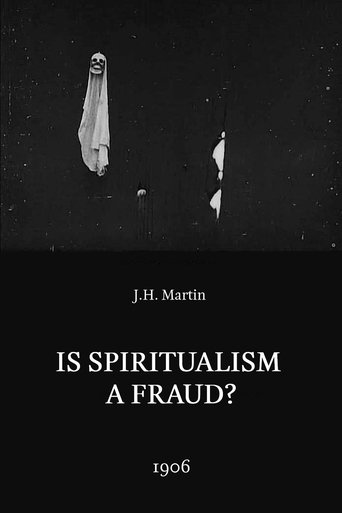
Early film director active during the days of cinema in 1906. His sole known directorial work was the documentary-style film 'Is Spiritualism a Fraud? – The Medium Exposed,' which explored the controversial topic of spiritualism and mediumistic practices during a period when such phenomena were subjects of intense public fascination and scientific scrutiny. Martin's film represents an early example of the exposé documentary genre, which would become increasingly popular in the decades that followed. Working at a time when the film industry was still in its infancy, Martin was among the early filmmakers who recognized cinema's potential for investigative journalism and social commentary. Despite the significance of his subject matter, little is known about Martin's background, training, or what became of him after this single directorial effort. His brief appearance in film history exemplifies how many early cinema pioneers contributed to the medium's development without achieving lasting fame or extensive filmographies.
The Craft
Behind the Camera
Early documentary/exposé style focusing on investigative content
Milestones
- Directed 'Is Spiritualism a Fraud? – The Medium Exposed' (1906)
Best Known For
Must-See Films
Why They Matter
Impact on Culture
J.H. Martin's contribution to early cinema, while brief, represents an important milestone in the development of documentary filmmaking. His 1906 film 'Is Spiritualism a Fraud? – The Medium Exposed' exemplifies how early filmmakers recognized the potential of cinema as a medium for investigative journalism and social commentary. During a period when spiritualism was a major cultural phenomenon and subject of intense debate, Martin's film participated in the broader cultural conversation about science, religion, and deception. The film represents one of the earliest examples of the exposé genre that would later become a significant documentary tradition, influencing countless filmmakers who would use cinema to investigate and reveal hidden truths.
Lasting Legacy
J.H. Martin's legacy is primarily that of an early documentary pioneer who helped establish cinema's potential as an investigative medium. While his name is largely forgotten and his filmography consists of only one known work, his 1906 film about spiritualism represents an important early example of documentary filmmaking. The film serves as a historical artifact documenting both early cinematic techniques and the cultural preoccupations of the Edwardian era. Martin's work demonstrates how quickly filmmakers recognized cinema's potential beyond mere entertainment, using it to engage with contemporary social and scientific debates.
Who They Inspired
Due to the extremely limited nature of J.H. Martin's known work and the scarcity of biographical information, it is difficult to trace specific influences he may have had on other filmmakers. However, his early documentary approach to controversial subject matter anticipated the development of investigative documentary filmmaking that would emerge more fully in subsequent decades. The exposé format he employed would become a significant genre in documentary cinema, though whether later filmmakers were directly influenced by his work or simply following similar emerging trends remains unclear.
Off Screen
Very little is known about J.H. Martin's personal life, as he appears to have been active in the film industry for only a single year in 1906. No records of his family, relationships, or background have survived in film historical records.
Did You Know?
- J.H. Martin was active as a director for only one known year: 1906
- His film 'Is Spiritualism a Fraud? – The Medium Exposed' was made during the height of spiritualism's popularity in Western culture
- The film represents one of the earliest examples of documentary exposé filmmaking
- 1906 was still the very early days of cinema, when most films were only a few minutes long
- Spiritualism was a major cultural phenomenon in the late 19th and early 20th centuries, attracting both believers and skeptics
- Martin's film approach anticipated later investigative documentary traditions
- The film was made just 11 years after the first public film screenings by the Lumière brothers
- Early cinema often focused on sensational topics to attract audiences, and spiritualism was certainly sensational
- Very little biographical information about Martin survives, which was common for many early film pioneers
- His work represents the intersection of early cinema with the era's fascination with scientific investigation of paranormal claims
Frequently Asked Questions
Who was J.H. Martin?
Early on YTB.my.' He was one of the pioneers of early documentary filmmaking during the silent era, though little is known about his life beyond this one contribution to cinema history.
What films is J.H. Martin best known for?
Titles linked here include Is Spiritualism a Fraud? – The Medium Exposed (1906).
When was J.H. Martin born and when did he die?
Unfortunately, no biographical information about J.H. Martin's birth or death dates has survived in historical records. Like many early film pioneers, particularly those with brief careers, his personal details remain unknown to film historians.
What awards did J.H. Martin win?
J.H. Martin did not receive any known awards or recognition during his lifetime. The formal award systems for cinema, including the Academy Awards, would not be established for decades after his brief career in 1906.
What was J.H. Martin's directing style?
Based on his only known work, Martin employed an early documentary/exposé style focused on investigative content. His approach to 'Is Spiritualism a Fraud? – The Medium Exposed' demonstrated cinema's potential for social commentary and journalistic investigation, anticipating later documentary traditions.