Alan Freed
Actor
Born: December 15, 1921 in Windber, Pennsylvania, USA Died: January 20, 1965 Active: 1945-1965 Birth Name: Albert James Freed
Films
1 film
About Alan Freed
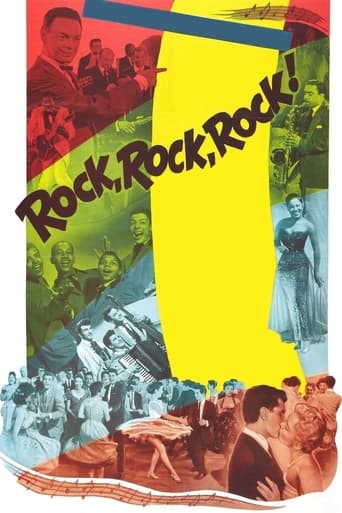
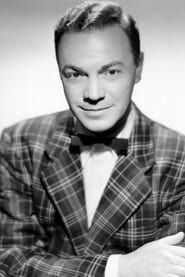
American disc jockey who became known as 'The Father of Rock and Roll' for his instrumental role in popularizing the genre. Born in Pennsylvania in 1921, he began his radio career in the early 1940s but rose to prominence in the early 1950s while working at WJW in Cleveland, where he started playing rhythm and blues records for a multiracial audience, breaking racial barriers on radio. Freed is widely credited with coining and popularizing the term 'rock and roll' to describe this new style of music that was transforming American youth culture. In 1954, he moved to New York City where his fame skyrocketed with his show on WABC and his rock and roll concerts at the Brooklyn Paramount Theater. His film career was brief but notable, including appearances in 'Rock, Rock, Rock!' (1956), 'Don't Knock the Rock' (1956), and 'Mister Rock and Roll' (1957), where he typically played himself as a charismatic music promoter. Freed's career was dramatically derailed by the payola scandals of the late 1950s, which led to his dismissal from major radio stations and effectively ended his broadcasting career. He struggled with alcoholism and financial difficulties in his final years, dying of uremia in 1965 at age 43, but his legacy as a trailblazer who brought rock and roll to mainstream America remains indelible.
The Craft
On Screen
Naturalistic and authentic, essentially playing himself as a charismatic music promoter and DJ. His screen presence was energetic and enthusiastic, reflecting his real-life passion for rock and roll music.
Milestones
- Credited with coining the term 'rock and roll'
- First major DJ to play R&B records for white audiences
- Organized historic rock and roll concerts at Brooklyn Paramount
- Appeared in several rock and roll films in the 1950s
- Inducted into the Rock and Roll Hall of Fame (1986)
- Inducted into the Radio Hall of Fame (1988)
Best Known For
Iconic Roles
Must-See Films
Accolades
Won
- Inducted into the Rock and Roll Hall of Fame (1986)
- Inducted into the Radio Hall of Fame (1988)
- Hollywood Walk of Fame Star (1994)
Special Recognition
- Rock and Roll Hall of Fame Non-Performer Inductee
- Radio Hall of Fame Inductee
- Hollywood Walk of Fame Star for Radio
Working Relationships
Worked Often With
Studios
Why They Matter
Impact on Culture
Alan Freed fundamentally transformed American popular culture by breaking down racial barriers on radio and introducing rock and roll to mainstream white audiences. His willingness to play 'race records' for white listeners helped bridge the racial divide in 1950s America and launched a cultural revolution that would define youth culture for decades. The term 'rock and roll' itself, which he popularized, became synonymous with teenage rebellion and cultural change. Despite his relatively brief time in the spotlight, Freed's influence extended far beyond his radio shows and film appearances, helping to create the template for modern music promotion and concert organization.
Lasting Legacy
Alan Freed's legacy as 'The Father of Rock and Roll' remains secure despite the controversies that ended his career. He is remembered as a trailblazer who recognized the commercial and cultural potential of rock and roll when others dismissed it as a passing fad. The payola scandal that destroyed him ironically led to reforms in the music industry that benefited future artists. His posthumous inductions into both the Rock and Roll Hall of Fame and Radio Hall of Fame testify to his enduring importance. The annual Alan Freed Memorial Concert in Cleveland and numerous books and documentaries about his life continue to keep his memory alive, ensuring that his contributions to American music and culture are not forgotten.
Who They Inspired
Freed influenced generations of radio DJs, music promoters, and concert organizers. His approach of breaking down musical segregation inspired future programmers to create more diverse playlists. The concert format he pioneered at the Brooklyn Paramount Theater influenced how rock and roll shows were produced for decades. His ability to create excitement around new music became a model for music marketing and promotion that continues to this day. Many future music industry professionals, including his son Lance who became a successful music producer, were directly inspired by his work.
Off Screen
Alan Freed married Betty Lou Bean in 1943, and they had two children together before divorcing in 1958. He later married Marjorie J. Hess in 1959. His personal life was marked by increasing struggles with alcoholism, particularly after the payola scandal destroyed his career. He faced financial difficulties in his final years and died relatively young at age 43 from complications of uremia and cirrhosis of the liver.
Education
Graduated from Salem High School in Ohio, attended Ohio State University briefly but did not graduate
Family
- Betty Lou Bean (1943-1958)
- Marjorie J. Hess (1959-1965)
Did You Know?
- Was originally a classical music enthusiast before discovering rhythm and blues
- His first rock and roll show was called 'The Moondog Show' after a blind street musician
- Organized the first major rock and roll concert at the Cleveland Arena in 1952
- Was fired from WABC in New York after refusing to sign an affidavit denying involvement in payola
- The payola scandal hearings were televised, bringing national attention to the practice
- His story was told in the 1978 film 'American Hot Wax' starring Tim McIntire
- The street in Cleveland where he first broadcast is now named Alan Freed Way
- His ashes were originally scattered at his favorite fishing spot in Pennsylvania
- The Rock and Roll Hall of Fame is located in Cleveland partly due to his work there
- His catchphrase 'Good evening, rock and rollers' became iconic among his listeners
In Their Own Words
Rock and roll is a river of music that has absorbed many streams: rhythm and blues, jazz, ragtime, cowboy songs, country songs, folk songs.
I don't care what color they are. If they make good music, I'll play it.
The kids want to hear this music, and they're going to hear it whether I play it or not.
Rock and roll is here to stay, it will never die.
I'm not in this business for the money. I'm in it because I love the music.
Frequently Asked Questions
Who was Alan Freed?
American disc jockey and music promoter known as 'The Father of Rock and Roll' who played a crucial role in popularizing rock and roll music in the 1950s. He is credited with coining the term 'rock and roll' and breaking racial barriers on radio by playing rhythm and blues records for white audiences.
What films is Alan Freed best known for?
Titles linked here include Rock, Rock, Rock! (1956), Don't Knock the Rock (1956).
When was Alan Freed born and when did he die?
Born December 15, 1921; died January 20, 1965.
What awards did Alan Freed win?
Alan Freed received several posthumous honors including induction into the Rock and Roll Hall of Fame in 1986, induction into the Radio Hall of Fame in 1988, and a star on the Hollywood Walk of Fame awarded in 1994.
What was Alan Freed's acting style?
Alan Freed's acting style was naturalistic and authentic, essentially playing himself as an enthusiastic and charismatic music promoter. His screen presence reflected his real-life passion for rock and roll music, bringing genuine energy to his film roles.