

Rock, Rock, Rock!
"1956 film directed by Will Price"
Keys: Space play/pause · ←/→ 10s · F fullscreen · M mute · </> speed
About this film
Teenage Dori can't convince her father to buy her a gown so she decides to get the money together herself in time for the prom.
Cast & crew
More Comedy films
View all →






More about this film
About the production
Release dateDecember 7, 1956
Budget$250,000
Box officeApproximately $1 million
ProductionSack Amusements, Vanguard Productions
Filmed inNew York City, New York, Hollywood, California
The film was shot in just 12 days on a very tight budget. Many of the musical performances were filmed separately and edited into the narrative. Tuesday Weld was only 12 years old during filming, though she played a teenager. The production featured real rock and roll stars performing their own hits, which was revolutionary for the time.
Themes
Teenage rebellionGeneration gapComing of ageMaterialism and consumerismThe power of music
Themes & topics
promrock and rollteenagerdisc jockeygownmoneytalent contesthigh schoolmusic1950sNew York Citycoming of agefather-daughter relationship
Historical background
Rock, Rock, Rock! (1956) emerged during mid-century cinema across Hollywood and world markets, when exhibition habits and national film industries were still taking shape.
Why this film matters
Rock, Rock, Rock! remains accessible through digital archives, giving modern viewers a direct link to 1956 screen culture.
Making of
The production faced several challenges during filming, including resistance from studio executives who were skeptical about rock and roll music's commercial viability. Alan Freed insisted on using authentic rock and roll performers rather than having actors lip-sync to the songs, which was unusual for the time. Tuesday Weld's mother was constantly on set during filming to protect her young daughter. The film was rushed into production to capitalize on the sudden popularity of rock and roll music in 1956. Many of the musical numbers were filmed in a single day with multiple acts performing on the same stage setup.
What critics said
Retrospective notes on Rock, Rock, Rock! emphasize its value as a period production rather than blockbuster reception.
Did you know?
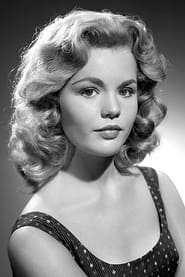
- This was Tuesday Weld's film debut at age 12, though she was already an experienced television actress.
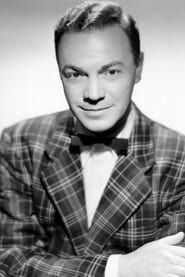
- Alan Freed, who plays himself, was known as 'The King of Rock and Roll' for his role in popularizing the genre.
- The film features one of Chuck Berry's first film appearances performing 'You Can't Catch Me'.
- Connie Francis made her film debut in this movie, though her scenes were mostly cut from the final version.
- The movie was originally conceived as a way to capitalize on the growing rock and roll craze among teenagers.
- Many of the musical performances were filmed in New York while the dramatic scenes were shot in Hollywood.
- The strapless gown that Dori wanted cost $30 in the film, equivalent to about $300 in today's money.
- The film was one of the first to use rock and roll music as its primary soundtrack rather than traditional film scores.
- Director Will Price was primarily known for Westerns before this film.
- The movie's title comes from the opening song performed by Alan Freed's Rock and Roll Band.
Visual style
The film employed straightforward, almost documentary-style cinematography for the musical performances, allowing the energy of the performers to drive the visuals. The dramatic scenes used conventional three-point lighting typical of low-budget productions of the era. The camera work during musical numbers was more dynamic, incorporating close-ups and tracking shots to capture the excitement of live performances. The black and white cinematography gave the film a gritty, authentic feel that matched the rebellious nature of rock and roll music.
Innovations
While not technically groundbreaking, the film pioneered the use of authentic musical performances in a narrative context, avoiding the common practice of having actors lip-sync to pre-recorded tracks. The recording techniques used for the musical numbers were relatively advanced for the time, capturing the live energy of the performers. The film's editing style, particularly in the musical sequences, influenced later music videos with its quick cuts and focus on performance energy.
Music
The soundtrack featured an impressive roster of early rock and roll pioneers including Chuck Berry performing 'You Can't Catch Me,' The Moonglows with 'I Knew From the Start,' and The Flamingos singing 'I'll Be Home.' LaVern Baker performed 'Tra La La,' and Frankie Lymon and The Teenagers appeared with 'I'm Not a Juvenile Delinquent.' Alan Freed served as the musical narrator, introducing each performance. The title song 'Rock, Rock, Rock' was performed by Alan Freed's Rock and Roll Band. The soundtrack served as both entertainment and a historical record of early rock and roll, preserving performances that might otherwise have been lost.
Famous quotes
Rock, rock, rock, everybody! Roll, roll, roll, everybody! - Alan Freed
Dad, it's not just a dress, it's my whole life! - Dori Graham
This rock and roll music is just a passing fad. - Mr. Graham
You can't stop the music, it's here to stay! - Alan Freed
Thirty dollars may not seem like much to you, but to me it's the world! - Dori Graham
Memorable scenes
- Chuck Berry's dynamic performance of 'You Can't Catch Me' showcasing his revolutionary guitar style and duck walk
- The opening sequence where Alan Freed introduces the film with the title song 'Rock, Rock, Rock'
- Tuesday Weld's audition scene where she tries to win the talent contest money
- The final prom scene featuring all the musical acts performing in a grand finale
- Dori's confrontation with her father about the gown, representing the generation gap theme
What audiences thought
Teenage audiences embraced the film enthusiastically, packing theaters in urban areas where rock and roll was most popular. The film was particularly successful in cities with strong radio rock and roll programming. Many young viewers attended multiple times to see their favorite musical performances. Parental reception was more mixed, with some concerned about the film's portrayal of teenage rebellion and the 'dangerous' influence of rock and roll music. The film's moderate box office success encouraged studios to produce more rock and roll films throughout the late 1950s.
Film connections
Influenced by
- The Blackboard Jungle (1955)
- Rebel Without a Cause (1955)
- Girl Can't Help It (1956)
This film influenced
- Don't Knock the Rock (1957)
- Jailhouse Rock (1957)
- Go, Johnny, Go! (1959)
- American Graffiti (1973)
Film restoration
The film has been preserved in its original 35mm format by the Library of Congress and various film archives. It has been restored and released on DVD and Blu-ray by several specialty labels. The original negative is in good condition, though some elements show signs of wear typical of films from this period. Several home video releases have been remastered from the best available elements.
Where to watch
- Available on DVD from Warner Archive Collection
- Streaming on Amazon Prime Video
- Available for digital rental on iTunes and Google Play
- Occasionally airs on Turner Classic Movies
- Included in some rock and roll film compilation sets