Teddy Randazzo
Actor
Born: May 13, 1935 in Brooklyn, New York, USA Died: November 21, 2003 Active: 1956 (as actor), 1950s-2003 (as musician and songwriter) Birth Name: Alessandro Randazzo
Films
1 film
About Teddy Randazzo
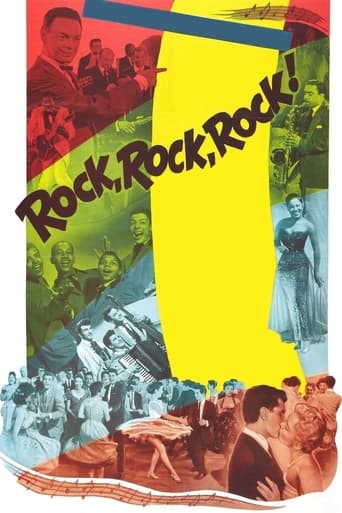
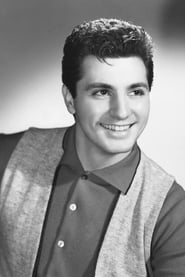
Teddy Randazzo, born Alessandro Randazzo, was an American singer and songwriter who had a brief but memorable appearance in early rock and roll cinema. Born in Brooklyn, New York, in 1935, he emerged as a teen idol in the mid-1950s during the birth of rock and roll. His most notable film appearance came in 1956's 'Rock, Rock, Rock!' where he performed the song 'I Cry for You' as himself, showcasing his musical talent to movie audiences. While this marked his only significant acting role, it represented the beginning of a much more substantial career in music composition and songwriting that would span several decades. Throughout the 1960s and beyond, Randazzo evolved into a highly respected songwriter, crafting hits for numerous artists and establishing himself as a significant contributor to the pop music landscape. His transition from teen performer to accomplished songwriter demonstrated remarkable artistic growth and adaptability in the rapidly changing music industry. Randazzo continued writing and performing music until his death in 2003, leaving behind a legacy that extended far beyond his brief film career.
The Craft
On Screen
Natural and authentic performer who appeared as himself, showcasing his musical abilities rather than traditional acting techniques
Milestones
- Appeared in 'Rock, Rock, Rock!' (1956) performing 'I Cry for You'
- Wrote 'Goin' Out of My Head' and 'Hurts So Bad' for Little Anthony and the Imperials
- Composed 'It's Gonna Take a Miracle' for The Royalettes
- Had successful songwriting career spanning five decades
- Worked with numerous major recording artists across multiple genres
- Established himself as one of pop music's respected songwriters
Best Known For
Iconic Roles
Must-See Films
Accolades
Special Recognition
- Recognized as a significant contributor to 1960s pop music through his songwriting
Working Relationships
Worked Often With
Why They Matter
Impact on Culture
Teddy Randazzo's cultural impact extends far beyond his brief acting appearance in 'Rock, Rock, Rock!' While his film role represented the emerging teen idol culture of mid-1950s America, his true cultural significance lies in his contributions to the golden age of pop songwriting. His compositions became part of the soundtrack of American life in the 1960s, with songs like 'Goin' Out of My Head' and 'Hurts So Bad' becoming standards that have been covered by numerous artists across generations. His work helped define the sophisticated pop sound of the era, bridging the gap between early rock and roll and the more polished pop productions that followed. The enduring popularity of his songs demonstrates his significant impact on American popular music and culture.
Lasting Legacy
Teddy Randazzo's legacy is primarily that of a prolific and talented songwriter who created enduring pop classics that have transcended their original era. While his appearance in 'Rock, Rock, Rock!' provides a fascinating glimpse into early rock and roll cinema, it represents only a small fraction of his artistic contributions. His songwriting legacy includes numerous hits that have become part of the American pop canon, covered by artists ranging from Frank Sinatra to Linda Ronstadt. The sophistication and emotional depth of his compositions influenced the evolution of pop music, helping establish a more mature and complex approach to popular songwriting. His ability to craft memorable melodies and poignant lyrics ensured that his work would continue to resonate with audiences long after his passing, cementing his place in music history.
Who They Inspired
Teddy Randazzo influenced subsequent generations of songwriters through his sophisticated approach to pop composition. His ability to blend emotional lyricism with memorable melodic structures provided a template for future pop songwriters. Artists who covered his songs, from The Four Tops to Diana Ross, helped spread his influence across different musical genres. His work demonstrated that pop music could achieve both commercial success and artistic sophistication, inspiring other songwriters to aim for higher artistic standards within the popular music format. The longevity of his compositions, which continue to be recorded and performed decades after their creation, testifies to their enduring influence on popular music.
Off Screen
Teddy Randazzo was married and maintained a relatively private personal life despite his public career in music. He focused primarily on his songwriting and musical collaborations throughout his adult life. Details about his family life remain limited in public records, as he was known more for his professional contributions than his personal affairs.
Education
Information about his formal education is not widely documented in available sources
Family
- Vicki Randazzo
Did You Know?
- His birth name was Alessandro Randazzo, reflecting his Italian-American heritage
- He was only 21 years old when he appeared in 'Rock, Rock, Rock!'
- Despite his brief film career, he had a successful music career spanning nearly five decades
- His song 'Goin' Out of My Head' has been covered by over 100 different artists
- He wrote songs for numerous major labels including Motown and Columbia Records
- His composition 'Hurts So Bad' became a major hit for Little Anthony and the Imperials
- He continued writing songs well into his 60s, demonstrating lifelong artistic dedication
- His work bridged the gap between 1950s rock and roll and 1960s sophisticated pop
- He was part of the early wave of Italian-American performers who found success in popular music
- His songwriting style influenced the development of soul music in the 1960s
Frequently Asked Questions
Who was Teddy Randazzo?
American singer and songwriter born Alessandro Randazzo who briefly appeared as an with credits in this catalog.
What films is Teddy Randazzo best known for?
Titles linked here include Rock, Rock, Rock! (1956).
When was Teddy Randazzo born and when did he die?
Born May 13, 1935; died November 21, 2003.
What awards did Teddy Randazzo win?
While specific major awards for his acting work are not documented, Teddy Randazzo achieved significant recognition through his songwriting career. His compositions became enduring pop standards covered by numerous artists, and he is widely respected in the music industry for his contributions to 1960s pop music.
What was Teddy Randazzo's career beyond acting?
Beyond his brief acting appearance, Teddy Randazzo had a highly successful career as a songwriter that spanned nearly five decades. He wrote numerous hit songs for major artists including Little Anthony and the Imperials, The Royalettes, and many others, establishing himself as a respected figure in the pop music industry.
What was Teddy Randazzo's most famous song?
Among his most famous compositions are 'Goin' Out of My Head' and 'Hurts So Bad,' both recorded by Little Anthony and the Imperials. These songs became pop standards and have been covered by numerous artists over the years, demonstrating their enduring appeal and Randazzo's songwriting talent.
How did Teddy Randazzo influence popular music?
Teddy Randazzo influenced popular music through his sophisticated approach to pop songwriting, helping bridge the gap between 1950s rock and roll and 1960s polished pop. His emotionally resonant lyrics and memorable melodies set new standards for pop composition and inspired subsequent generations of songwriters to pursue artistic excellence within the popular music format.