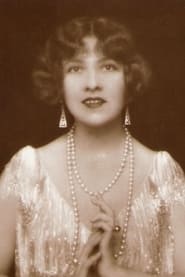
Lucy Doraine
Actor
Born: May 22, 1898 in Budapest, Austria-Hungary (now Hungary) Died: October 18, 1989 Active: 1918-1924 Birth Name: Ilona Kovács
Films
1 film
About Lucy Doraine
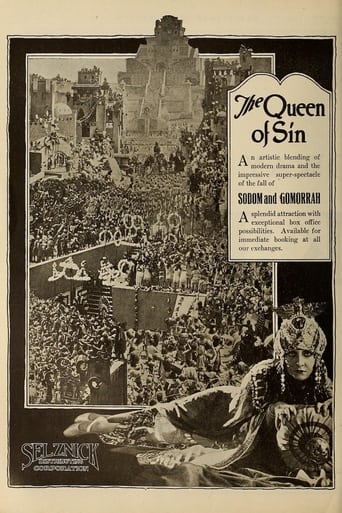
Lucy Doraine, born Ilona Kovács, was a Hungarian silent film actress who achieved brief but notable fame in European cinema during the early 1920s. She began her career in Hungarian films before transitioning to German cinema, where she found her greatest success. Her marriage to director Michael Curtiz in 1918 proved pivotal to her career, as he cast her in several of his early films. Doraine's most significant role came in the 1922 epic 'Sodom and Gomorrah,' which showcased her dramatic talents on an international scale. Following her divorce from Curtiz in 1923, her film career gradually diminished, and she made her last screen appearances by 1924. She eventually emigrated to the United States but chose not to pursue acting in Hollywood, instead living a private life away from the entertainment industry. Her legacy remains that of a talented actress who bridged Hungarian and German cinema during a transformative period in European film history.
The Craft
On Screen
Lucy Doraine embodied the dramatic, expressive style typical of silent film actresses, utilizing exaggerated gestures and intense facial expressions to convey emotion without dialogue. Her performances were characterized by a theatrical flair that translated well to the grand scale of European epics. She possessed a commanding screen presence that suited the melodramatic narratives popular in early 1920s cinema, with an ability to convey both vulnerability and strength through her physical performance.
Milestones
- Marriage to director Michael Curtiz (1918-1923)
- Leading role in 'Sodom and Gomorrah' (1922)
- Transition from Hungarian to German cinema
- Work in early European epic productions
- Collaboration with prominent European directors of the silent era
Best Known For
Iconic Roles
Must-See Films
Accolades
Special Recognition
- Recognition as a Hungarian actress in silent cinema
Working Relationships
Worked Often With
Studios
Why They Matter
Impact on Culture
Lucy Doraine represents an important but often overlooked figure in the transition of European cinema from national to international productions during the silent era. Her work helped bridge Hungarian and German film industries at a time when European cinema was becoming increasingly interconnected. As one of the few Hungarian actresses to achieve recognition in German productions, she contributed to the cultural exchange between Central European film industries. Her role in 'Sodom and Gomorrah' placed her within the tradition of epic silent film productions that pushed the boundaries of cinematic scale and ambition in the early 1920s.
Lasting Legacy
Lucy Doraine's legacy is primarily preserved through her connection to Michael Curtiz and her contributions to early European cinema. While she did not achieve lasting fame like some of her contemporaries, her film work serves as an important record of the artistic styles and production values of Hungarian and German silent cinema. Her career trajectory also reflects the challenges faced by many actresses of the silent era who struggled to maintain their careers as the film industry evolved and personal relationships changed.
Who They Inspired
Doraine's influence was primarily through her work with Michael Curtiz during his formative years as a director. Their collaborative efforts during the Hungarian period contributed to Curtiz's development as a filmmaker before his Hollywood success. Her performances in early European productions helped establish conventions for female leads in epic silent films that would influence subsequent actresses in similar roles.
Off Screen
Lucy Doraine's personal life was marked by her significant marriage to director Michael Curtiz, which greatly influenced her early career. The couple married in 1918 when she was just 20 years old, and Curtiz frequently cast her in his films during their Hungarian period. Their marriage ended in divorce in 1923, coinciding with her declining film career. After leaving cinema, Doraine eventually moved to the United States but chose to live privately away from the entertainment industry. She spent her later years in relative obscurity compared to her ex-husband, who went on to become one of Hollywood's most celebrated directors.
Education
Limited information available, likely received education in Budapest before entering films
Family
- Michael Curtiz (1918-1923)
Did You Know?
- Her stage name 'Doraine' was chosen for its more international appeal compared to her Hungarian birth name
- She was one of Michael Curtiz's first wives before his successful Hollywood career
- Her film 'Sodom and Gomorrah' was an ambitious European co-production that showcased the scale of silent era epics
- Despite her brief career, she worked in multiple languages and film industries
- She retired from acting at a relatively young age, unlike many silent film stars who attempted to transition to talkies
- Her marriage to Curtiz ended around the same time as her film career declined
- She lived for nearly 40 years after her last film appearance, maintaining privacy about her entertainment past
Frequently Asked Questions
Who was Lucy Doraine?
Hungarian silent film actress active in European cinema during the early 1920s, best known for her role in 'Sodom and Gomorrah' (1922) and her marriage to on YTB.my.
What films is Lucy Doraine best known for?
Titles linked here include Sodom and Gomorrah (1922), Az aranyember (The Man of Gold) (1918).
When was Lucy Doraine born and when did she die?
Born May 22, 1898; died October 18, 1989.
What awards did Lucy Doraine win?
There are no documented major awards or nominations for Lucy Doraine, which was common for actors in the early silent era before formal award systems were established.
What was Lucy Doraine's acting style?
She employed the dramatic, expressive style typical of silent film actresses, using exaggerated gestures and intense facial expressions to convey emotion in the absence of dialogue.
How was Lucy Doraine connected to Michael Curtiz?
She was married to director Michael Curtiz from 1918 to 1923, and he frequently cast her in his films during their time working together in Hungary before he moved to Hollywood.
Why did Lucy Doraine's career end so early?
Her career decline coincided with her divorce from Michael Curtiz in 1923, and like many silent era actors, she did not successfully transition to sound films or continue her career when she moved to the United States.