
Fay Spain
Actor
Born: October 23, 1932 in Phoenix, Arizona, USA Died: May 18, 1983 Active: 1958-1983
Films
1 film
About Fay Spain
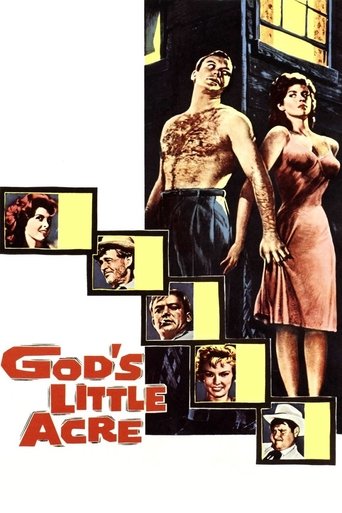
Fay Spain worked on one surviving credit: s Little Acre (1958). Her breakthrough role came as Griselda Walden in the controversial film 'God's Little Acre' (1958), which showcased her talent and established her as a notable actress of the era. Throughout her career spanning over two decades, she appeared in numerous films and television shows, often portraying strong, independent female characters who defied traditional stereotypes. Spain worked with many prominent directors and actors of the Golden Age of Hollywood and its transition into the New Hollywood era. She continued acting through the 1960s and 1970s, appearing in both feature films and popular television series, demonstrating remarkable versatility across different media. Her career was cut short by her untimely death from cancer in 1983 at the age of 50, but she left behind a body of work that represents an important bridge between classic and modern American cinema.
The Craft
On Screen
Fay Spain was known for her naturalistic acting style and ability to portray complex, multifaceted female characters with remarkable depth. She brought authenticity and emotional intensity to her roles, often playing characters who were simultaneously vulnerable and strong-willed. Her performances were characterized by a subtle approach that avoided over-dramatization while still conveying complex emotions effectively. Spain had a distinctive screen presence that combined classic Hollywood glamour with a down-to-earth quality that made her characters relatable to audiences. She was particularly adept at handling controversial material with grace and professionalism, bringing credibility to roles that might have been exploitative in less capable hands.
Milestones
- Breakthrough role in 'God's Little Acre' (1958)
- Numerous television appearances throughout the 1960s and 1970s
- Film roles in 'The Private Lives of Adam and Eve' (1960)
- Television series regular roles in popular shows
- Critical acclaim for controversial but powerful performances
Best Known For
Iconic Roles
Must-See Films
Working Relationships
Worked Often With
Studios
Why They Matter
Impact on Culture
Fay Spain represented the transition from the classic Hollywood star system to the more naturalistic acting styles of the 1960s and 1970s, helping to evolve the representation of women in American cinema. Her roles often challenged traditional gender stereotypes, portraying women who were independent, intelligent, and emotionally complex at a time when such characters were still relatively rare. Her work in 'God's Little Acre' was particularly significant as it was one of the films that pushed boundaries regarding sexuality and adult themes in American cinema during the late 1950s, contributing to the gradual relaxation of censorship in Hollywood. Spain's career trajectory from film to television also reflected the broader industry shift during her active years, making her a representative figure of this transitional period in entertainment history.
Lasting Legacy
Fay Spain's legacy lies in her contribution to the evolution of female representation in American film and television during a pivotal period of change. While she may not have achieved the iconic status of some of her contemporaries, her body of work represents an important bridge between the Golden Age of Hollywood and the New Hollywood era. Her performances continue to be studied by film scholars interested in the transition period of American cinema, particularly her handling of controversial material with professionalism and depth. Spain's career serves as an example of an actress who successfully navigated the changing landscape of entertainment, adapting from the studio system to the more independent approaches of later decades.
Who They Inspired
Fay Spain influenced subsequent generations of actresses through her naturalistic approach to acting and her willingness to take on challenging roles that defied conventional stereotypes. Her work in television during the 1960s and 1970s helped pave the way for more complex female characters in that medium, demonstrating that women could carry substantial roles in both dramatic and comedic contexts. Spain's ability to handle controversial material with grace and professionalism set an example for how actresses could approach challenging roles without compromising their artistic integrity. Her career also showed the possibilities for actresses who wanted to work across different media, from feature films to television series, at a time when such versatility was becoming increasingly important in the entertainment industry.
Off Screen
Fay Spain was married twice during her lifetime, first to actor John Ireland from 1962 until their divorce in 1965, and later to businessman Edward B. Shuman from 1967 until her death in 1983. She had no children from either marriage. Her personal life was relatively private compared to many Hollywood figures of her era, as she focused primarily on her craft rather than seeking celebrity status. Spain was known to be a talented painter in her personal life, pursuing art as a creative outlet outside of her acting career. She battled cancer for several years before her death, continuing to work in the entertainment industry until shortly before passing away.
Education
Limited information is available about her formal education, though she likely attended schools in Phoenix, Arizona, before pursuing her career in entertainment. She received acting training through her early modeling work and on-the-job experience in Hollywood.
Family
- John Ireland (1962-1965)
- Edward B. Shuman (1967-1983)
Did You Know?
- She began her career as a model before transitioning to acting
- Her role in 'God's Little Acre' was considered controversial for its time due to its sexual content
- She appeared in over 30 television shows throughout her career
- She was a talented painter in her personal life
- She battled cancer for several years before her death
- Her performance in 'God's Little Acre' earned her critical acclaim despite the film's controversial reception
- She worked with some of Hollywood's most iconic actors, including Robert Ryan and Aldo Ray
- She was part of the transitional generation of actresses who worked in both film and television
- Her marriage to John Ireland was highly publicized in the entertainment press
- She continued working until shortly before her death in 1983
- Her modeling career helped her secure early acting opportunities
- She was known for her professionalism on set, even when dealing with difficult material
Frequently Asked Questions
Who was Fay Spain?
American actress who gained prominence in the late 1950s, best known for her role as Griselda Walden in the controversial film 'God's Little Acre' (1958). She had a career spanning over two decades, appearing in both films and television shows throughout the 1960s and 1970s.
What films is Fay Spain best known for?
Titles linked here include God's Little Acre (1958), The Private Lives of Adam and Eve (1960).
When was Fay Spain born and when did she die?
Born October 23, 1932; died May 18, 1983.
What awards did Fay Spain win?
While Fay Spain received critical acclaim for her performances, particularly in 'God's Little Acre,' she did not receive major industry awards during her career.
What was Fay Spain's acting style?
Fay Spain was known for her naturalistic acting style and ability to portray complex, multifaceted female characters. She brought authenticity and emotional depth to her roles, often playing characters who were both vulnerable and strong-willed.
Who did Fay Spain marry?
Fay Spain was married twice: first to actor John Ireland from 1962 to 1965, and later to businessman Edward B. Shuman from 1967 until her death in 1983. She had no children.
What was Fay Spain's impact on cinema?
Fay Spain represented the transition from classic Hollywood to more naturalistic styles of the 1960s and 1970s, helping evolve female representation in cinema. Her work in controversial films like 'God's Little Acre' contributed to pushing boundaries regarding adult themes in American cinema.