Léon Moussinac
Actor
- Born
- January 19, 1890, Narbonne, France
- Died
- March 10, 1964
- Active
- 1921-1921
Films 1
About Léon Moussinac
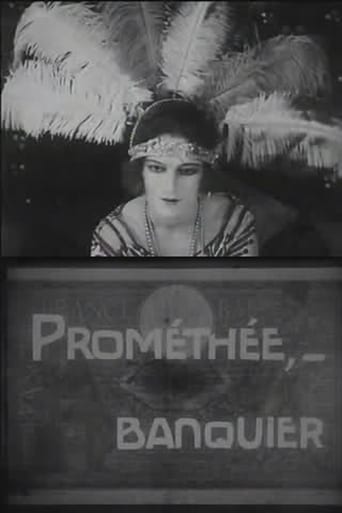
Léon Moussinac was a French film critic, historian, journalist, and cultural advocate who is sometimes listed in film databases because of a very small on-screen credit in early silent cinema, including the 1921 production "Prometheus" and "Banker." He was far better known, however, as one of the most influential intellectual voices in French film culture during the 1920s and beyond than as a career actor. Born in France in the late nineteenth century, Moussinac became an important champion of cinema as an art form at a time when film criticism and film history were still being defined. He wrote extensively on cinema, contributed to journals, and helped shape serious critical discussion around film aesthetics, politics, and the social role of the medium. Moussinac was closely associated with progressive and left-leaning cultural circles and was especially attentive to Soviet cinema and montage theory, which he helped introduce to wider French audiences. His legacy rests primarily on his scholarship, criticism, and institutional influence rather than a large acting résumé, and the acting credits attributed to him appear to reflect cameo or incidental appearances rather than a sustained performance career. Because of the limited and sometimes inconsistent documentation on his screen appearances, some database entries may overemphasize his actor credit relative to his much larger significance as a film intellectual.
More about Léon Moussinac
On screen
No sustained acting style is documented in the historical record, since Moussinac was not primarily a professional performer. The limited screen appearances attributed to him appear to be incidental or minor, and surviving evidence does not support a developed body of performance technique. His significance lies in criticism and scholarship rather than in acting craft.
In film history
Léon Moussinac had a substantial cultural impact on the development of film criticism in France and on the broader recognition of cinema as an art worthy of serious intellectual study. He was part of the generation that helped move film discussion beyond simple amusement or technical novelty and toward aesthetic, political, and historical analysis. His writings contributed to the reception of international cinema, especially the Soviet film movement, and helped shape the vocabulary used by later critics and historians. Even though his acting filmography is tiny, his name remains important in the history of film culture because he helped create the conditions under which film scholarship and cinephilia could flourish.
Later reputation
Moussinac's lasting legacy is that of a foundational film critic and historian whose ideas helped define the modern language of cinema analysis. He belongs to the small group of early twentieth-century writers who treated film as a serious cultural form and not merely as popular entertainment. His work helped establish a critical bridge between filmmakers, intellectuals, and audiences, especially in France. For film historians, he represents the early institutional and theoretical infrastructure that made later film scholarship possible. His occasional screen credit is a curiosity, but his true place in film history comes from his influence on how cinema was discussed, interpreted, and valued.
Influence
He influenced later generations of critics, historians, programmers, and cinephiles by demonstrating that film could be analyzed with the same seriousness as literature, theater, or painting. His advocacy for Soviet and socially engaged cinema helped widen the critical horizon of French film culture. He also contributed to a broader climate in which criticism and theory became integral to the study of film. His ideas helped prepare the ground for later French critical traditions that treated cinema as both an art form and a political medium.
Off screen
Publicly available biographical information on Moussinac's private life is comparatively limited in mainstream film references, especially relative to his intellectual career. He is primarily remembered through his writing, criticism, and involvement in cultural institutions rather than through extensive reporting on family life or celebrity-style publicity. Any personal details beyond basic biographical facts are not consistently documented in standard film sources. His public identity was that of a committed critic and cultural worker, not a star actor.
Education
Specific formal educational details are not consistently documented in widely accessible film references, though he became a highly educated and influential critic through journalistic and intellectual work.
Credits
- Became one of the leading French film critics and theorists of the silent era
- Helped legitimize cinema as a serious art form in French intellectual culture
- Wrote influential criticism and historical works on film, especially avant-garde and Soviet cinema
- Associated with progressive film culture and the promotion of socially conscious cinema
- Appears in film records as an actor in the 1921 films "Prometheus" and "Banker"
- Contributed to the development of film study as a disciplined field of cultural analysis
- Played an important role in connecting French audiences with international cinema trends
Films
- Prometheus (1921)
- Banker (1921)
Awards
- No widely documented major film awards are known
Nominations
- No known major award nominations documented
Honors
- Recognized as an important French film critic and historian
- Included among influential early theorists of cinema
Collaborators
- Associates in French film criticism and intellectual circles
- Progressive filmmakers and theorists interested in Soviet and avant-garde cinema
Studios
- No major studio affiliation documented
Notes
- Although sometimes listed as an actor, Moussinac was primarily a film critic and historian.
- His screen appearances are extremely limited compared with his output as a writer and critic.
- He was an important advocate for the artistic seriousness of cinema in the silent era.
- He played a role in introducing and contextualizing Soviet cinema for French readers.
- His name appears in film records connected to two 1921 films, "Prometheus" and "Banker."
- He is better remembered in cultural history circles than in actor-focused star biographies.
Quotes
No reliably sourced, widely circulated quotation could be confirmed from the available record.
Questions
Who was Léon Moussinac?
Léon Moussinac was a French film critic, historian, journalist, and cultural theorist who is occasionally credited as an actor in early silent films. He is far more important historically for helping establish cinema as a serious art form and subject of criticism in France.
What films is Léon Moussinac best known for?
As an on-screen performer, he is associated with the 1921 films "Prometheus" and "Banker." However, his broader fame comes from his influential writing and criticism rather than from acting roles.
When was Léon Moussinac born and when did he die?
He was born on January 19, 1890, in Narbonne, France, and died on March 10, 1964. His career spanned the formative decades of modern film criticism.
What awards did Léon Moussinac win?
No major film awards are widely documented for Moussinac. His recognition came mainly through his stature as an influential critic, historian, and advocate for cinema.
What was Léon Moussinac's style or approach?
Moussinac's approach was analytical, culturally engaged, and often politically aware. He treated cinema as an art form with aesthetic, social, and historical significance, and he was especially attentive to modern and Soviet filmmaking.
What is Léon Moussinac's legacy in film history?
His legacy lies in helping define film criticism and film history as serious intellectual disciplines. He influenced the way audiences and writers thought about cinema, especially in France, where his work helped elevate film culture.