Prometheus, Banker
Plot
Prometheus, Banker is a compact melodrama centered on a wealthy banker whose life is disrupted by a seductive, manipulative woman who enters his orbit and extracts money, status, or security from him. The film follows the familiar early-cinema figure of the vamp, presenting her as both alluring and destructive, and charting the banker’s progressive entanglement as he becomes emotionally and financially vulnerable. As she gets everything she wants, she abandons him, leaving him exposed to the consequences of his own desire and trust. The story unfolds as a cautionary tale about greed, vanity, and the peril of surrendering reason to passion, with the title suggesting a modern Prometheus whose fire is not knowledge but temptation.
About the Production
Prometheus, Banker was made in the French silent-film industry at a time when Marcel L'Herbier was developing a reputation for sophisticated, visually ambitious dramas that combined contemporary subject matter with stylized imagery. The film is associated with the production environment of Films Albatros, the influential Paris-based company founded by émigré Russian filmmakers, which helped shape much of the prestige cinema of the early 1920s. Surviving information on the film’s exact production circumstances is limited, but it is generally treated as one of L'Herbier’s lesser-known early features, made in the wake of his experimentation with modern life, finance, and moral corruption as subjects for the screen. As with many silent-era productions, precise budget and box-office data are not readily documented in surviving records.
Historical Background
The film was made in 1921, in the immediate aftermath of World War I, when French cinema was undergoing artistic reinvention while also struggling against the commercial dominance of imported films, especially from the United States. This was a period marked by experimentation, modernist aesthetics, and a fascination with urban life, wealth, and moral ambiguity, all of which are reflected in the film’s premise. The title and plot also fit broader interwar anxieties about finance, decadence, and the instability of traditional values in a rapidly changing society. In historical terms, the film matters as part of Marcel L'Herbier’s contribution to the emergence of a more ambitious, visually conscious French cinema that would influence later generations of filmmakers and critics.
Why This Film Matters
Although not among the best-known French silent films, Prometheus, Banker is culturally significant as an example of how early cinema dramatized modern economic and sexual power relations. The banker-and-vamp premise captures a recurring trope of the era: the fear that wealth, sophistication, and masculine control can be undone by desire and manipulation. As a L'Herbier film, it also belongs to the lineage of French prestige cinema that sought to elevate film into a serious art form through careful composition, literary or symbolic framing, and psychologically tinged storytelling. Its significance today is largely historical and archival, offering scholars a glimpse into the themes, performance styles, and moral frameworks of early 1920s French drama.
Making Of
Prometheus, Banker was created during a formative period in Marcel L'Herbier’s career, when he was refining his interest in contemporary morality plays and in visually expressive depictions of modern life. Working within the artistic climate of postwar French cinema, L'Herbier frequently collaborated with strong performers and production units capable of supporting prestige projects, and this film fits that pattern. The exact behind-the-scenes record is sparse, but its casting and subject matter suggest a production designed to exploit the era’s fascination with sophisticated temptation narratives, luxury interiors, and emotional betrayal. Like many silent films of the time, it likely relied on carefully staged pantomime, intertitles, and visual contrast to convey the psychological dynamics between the banker and the vamp.
Visual Style
Specific shot-by-shot cinematographic documentation is limited, but the film would have been shaped by the stylistic priorities of early 1920s French silent cinema: composed tableaux, expressive lighting, and an emphasis on interior spaces that mirror emotional and financial entrapment. Marcel L'Herbier’s films from this period often relied on carefully designed frames and visual symbolism to deepen psychological meaning, so the film likely uses mise-en-scène to distinguish the banker’s respectability from the vamp’s seductive menace. Silent-era performance style would also have been central, with gesture and posture carrying much of the dramatic weight. Even without surviving detailed technical commentary, the film belongs to a visual culture that valued elegance, decorativeness, and symbolic contrast.
Innovations
No specific technological firsts are widely associated with the film, but it participates in the broader technical refinement of French silent cinema during the early 1920s. The production likely demonstrates careful control of staging, lighting, and intertitle pacing to convey psychological tension without dialogue. In L'Herbier’s work generally, technical ambition often came through polished visual design and sophisticated composition rather than overt gadgets or spectacle, and this film should be understood within that tradition. Its achievement lies more in style and thematic articulation than in documented invention.
Music
As a silent film, Prometheus, Banker did not have an original synchronized soundtrack in the modern sense. Music would have been supplied live during screenings, typically by a pianist, small ensemble, or theater orchestra depending on venue and market. No widely documented original cue sheet or composed score is readily available for the film in standard references. Any music associated with modern presentations would therefore depend on restoration, archive programming, or contemporary accompaniment choices rather than a fixed historical soundtrack.
Memorable Scenes
- The central dynamic in which the vamp wins the banker’s confidence and gradually strips away his self-control, turning seduction into a form of predation.
- The final rupture, when she leaves after securing what she wants, crystallizing the film’s cautionary moral about desire and exploitation.
Did You Know?
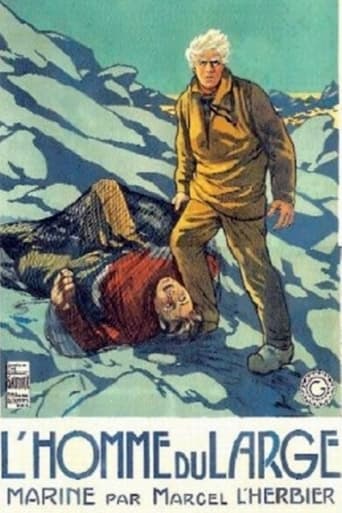
- The film is directed by Marcel L'Herbier, one of the major figures of French silent cinema and a filmmaker strongly associated with visual modernism.
- Its French title, Prométhée banquier, frames the banker as a modern Prometheus, suggesting the dangerous pursuit of desire or power in contemporary society.
- The film is remembered mainly through catalog records and historical references rather than through widespread modern circulation, which is common for many silent French dramas of the period.
- It belongs to a strand of early 1920s cinema that treated finance, urban luxury, and erotic manipulation as signs of modern moral instability.
- Ève Francis was one of L'Herbier’s recurring collaborators and a significant performer in French silent cinema, often cast in psychologically complex roles.
- Gabriel Signoret was a prominent stage and screen actor whose presence lent authority to French prestige productions of the era.
- The film’s plot reflects the popular early-20th-century 'vamp' archetype, a figure that appeared frequently in international cinema during the silent era.
- Because the film is obscure and rarely screened, many modern viewers know it only through film histories, archival catalogs, or database entries.
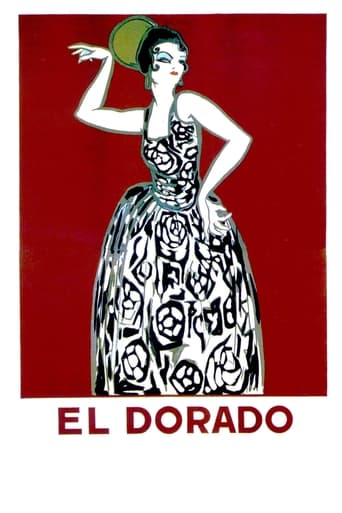
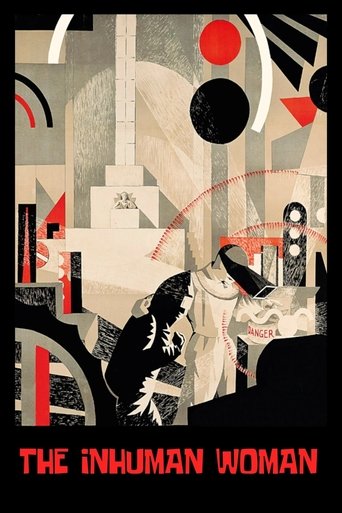
- L'Herbier would later become much better known for more widely studied works such as L'Inhumaine and El Dorado, making this film an interesting part of his early development.
- The film is notable as part of the broader post-World War I French effort to create stylish, psychologically charged cinema that could compete with imported foreign productions.
What Critics Said
Contemporary critical records for Prometheus, Banker are limited, and it is not a film that generated the kind of lasting critical canonization attached to L'Herbier’s later masterpieces. In retrospect, scholars of silent French cinema tend to regard it as an interesting but lesser-known work that helps illuminate the director’s early engagement with modern themes rather than as a landmark title in its own right. Modern assessment is therefore mostly contextual: the film is valued for its place within L'Herbier’s development, its representation of the vamp narrative, and its status as a surviving reference point in the study of French silent melodrama. Its obscurity means that critical discussion is often sparse and dependent on archival documentation.
What Audiences Thought
Detailed audience-response records are not readily available for this title, which is typical for many silent-era French films whose exhibition histories were not preserved in full. It likely appealed to contemporary viewers drawn to polished melodrama, fashionable settings, and morally charged stories of seduction and ruin. Because the film is obscure today and not a staple of repertory circulation, its present-day audience reception is limited primarily to scholars, archivists, and enthusiasts of silent cinema who encounter it through retrospectives or film databases. Its survival in film history is therefore more intellectual than popular, reflecting continued interest in the era rather than mass viewership.
Film Connections
Influenced By
- The popular silent-era vamp and femme fatale tradition
- Contemporary French melodrama
- Postwar anxieties about wealth and modern urban life
- Stage melodrama and moral cautionary tales
This Film Influenced
- Later French psychological dramas exploring modern vice and temptation
- Silent and early sound melodramas featuring predatory women and financial ruin
- The broader cinematic tradition of the femme fatale in noir and melodrama
You Might Also Like
More Drama Films
View allMore from Marcel L'Herbier
View allFilm Restoration
The film is obscure and appears to survive at least in catalogued archival references, but detailed public information about extant elements, restoration status, or complete surviving prints is limited. It should be considered a rare silent film with uncertain circulation rather than a widely restored repertory title.