
Philippe Hériat
Actor
Born: September 15, 1898 in Paris, France Died: October 10, 1971 Active: 1920-1950s (acting), 1930s-1960s (writing) Birth Name: Raymond Payelle
Films
5 films
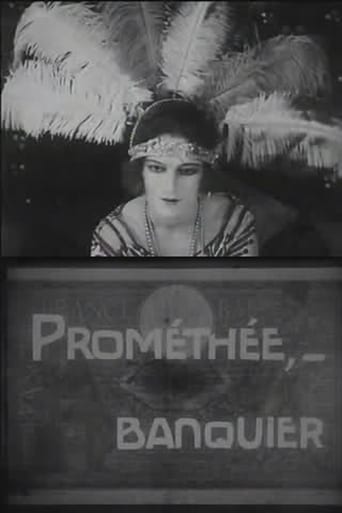
About Philippe Hériat
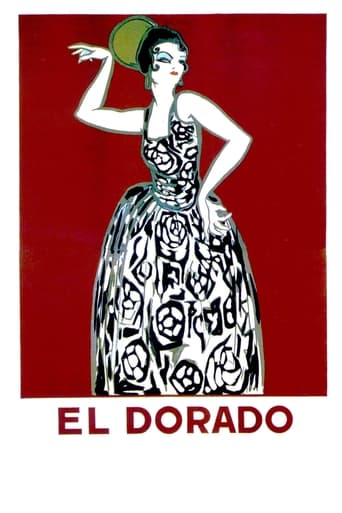
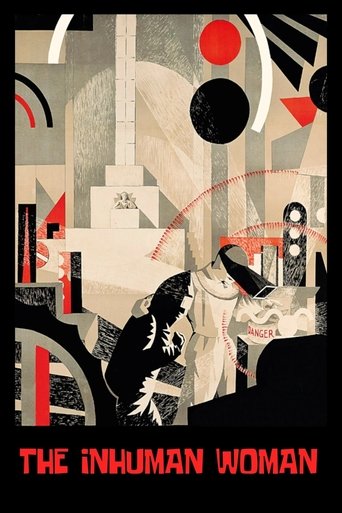
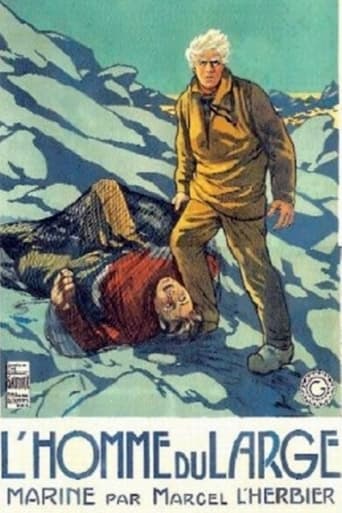
Philippe Hériat, born Raymond Payelle, was a French actor and writer who made his mark during the golden age of French cinema. He began his acting career in the silent film era of the early 1920s, appearing in notable productions such as 'The Man of the Sea' (1920), 'El Dorado' (1921), and 'The Inhuman Woman' (1924). His early work established him as a promising character actor in French cinema, though his career extended far beyond these initial silent films. Hériat successfully transitioned to sound films and continued acting through the 1930s and 1940s while simultaneously developing his talents as a writer. He gained significant literary recognition, winning the prestigious Prix Goncourt in 1939 for his novel 'Les Enfants du Paradis' (not to be confused with the famous film). His dual career as both actor and acclaimed author made him a unique figure in French cultural circles. Later in life, he focused more on his writing career, producing several novels and plays that cemented his reputation in French literature.
The Craft
On Screen
Known for his expressive dramatic performances in the silent era, Hériat utilized the exaggerated gestures and facial expressions typical of the period while bringing a subtle sophistication to his characterizations. His stage background influenced his screen presence, giving his performances a theatrical gravitas that translated well to the camera.
Milestones
- Silent film debut in 'The Man of the Sea' (1920)
- Transition to sound films in 1930s
- Won Prix Goncourt in 1939
- Successful dual career in film and literature
- Published multiple acclaimed novels
- Wrote for both stage and screen
Best Known For
Iconic Roles
Must-See Films
Accolades
Won
- Prix Goncourt (1939) for 'Les Enfants du Paradis'
Special Recognition
- Member of the Académie Goncourt
- Recognized figure in French literary and cinematic circles
Working Relationships
Worked Often With
Studios
Why They Matter
Impact on Culture
Philippe Hériat represents the bridge between French silent cinema and the literary world of early 20th century France. His ability to succeed in both mediums demonstrated the interdisciplinary nature of French artistic culture during this period. His work in silent films contributed to the development of French cinematic language during its formative years, while his literary achievements helped define French literature of the mid-20th century. The Prix Goncourt win solidified his status as a significant cultural figure whose influence extended beyond entertainment into the realm of serious literature.
Lasting Legacy
Hériat's legacy is twofold: as a contributor to early French cinema and as an acclaimed novelist. While his film career was relatively brief compared to his literary output, his early work in silent films represents an important part of French film history. His greater legacy lies in his literary contributions, particularly his Prix Goncourt-winning novel, which continues to be studied in French literary circles. He exemplifies the type of Renaissance artist who could move between different artistic mediums with success.
Who They Inspired
Hériat influenced subsequent generations of French artists who sought to combine cinematic and literary careers. His success demonstrated that it was possible to maintain credibility in both the commercial world of film and the more prestigious literary world. This dual career path would be followed by other French artists in later decades, though few achieved the level of success Hériat attained in both fields.
Off Screen
Philippe Hériat maintained a relatively private personal life despite his public success in both cinema and literature. He was known to be a dedicated artist who divided his time between his acting commitments and his writing pursuits. His literary success brought him considerable recognition in French cultural society, and he was regarded as a serious intellectual figure in addition to his entertainment career.
Education
Educated in Paris, likely received formal education in French literature and arts, though specific educational institutions are not well documented
Did You Know?
- His real name was Raymond Payelle, with 'Philippe Hériat' being his professional name
- He won the prestigious Prix Goncourt in 1939, one of France's most important literary awards
- His 1939 novel 'Les Enfants du Paradis' shares its title with but is unrelated to the famous 1945 film
- He successfully transitioned from silent films to sound films, demonstrating versatility as an actor
- His literary career eventually overshadowed his film work in terms of public recognition
- He was a member of the Académie Goncourt, the literary jury that awards the Prix Goncourt
- His work spanned multiple decades, from the silent era through the post-war period in France
- He represented the intellectual tradition of French artists who worked across multiple mediums
In Their Own Words
The artist must be a bridge between the world as it is and the world as it could be
Silence in film speaks louder than words in literature
Every character carries within them the possibility of redemption
Frequently Asked Questions
Who was Philippe Hériat?
Philippe Hériat (born Raymond Payelle) was a French actor and writer who began his career in silent films during the 1920s and later became an acclaimed novelist, winning the prestigious Prix Goncourt in 1939. He was known for his dual career in both cinema and literature.
What films is Philippe Hériat best known for?
Hériat is best known for his silent film work including 'The Man of the Sea' (1920), 'El Dorado' (1921), and 'The Inhuman Woman' (1924). However, he gained greater recognition for his literary work, particularly his Prix Goncourt-winning novel.
When was Philippe Hériat born and when did he die?
Philippe Hériat was born on September 15, 1898, in Paris, France, and died on October 10, 1971. His real name was Raymond Payelle.
What awards did Philippe Hériat win?
Hériat's most significant award was the Prix Goncourt in 1939, one of France's most prestigious literary prizes. He was also a member of the Académie Goncourt, the organization that awards this prize.
What was Philippe Hériat's acting style?
In his silent film work, Hériat employed the expressive dramatic style typical of the era, using exaggerated gestures and facial expressions while bringing a theatrical sophistication to his characterizations. His stage background influenced his screen presence.