




El Dorado
"Granada neon and forbidden love"
Keys: Space play/pause · ←/→ 10s · F fullscreen · M mute · </> speed
About this film
Marcel L'Herbier sets dancer Sibilla against Granada poverty and the father who denies their child. In Granada in Spain, Sibilla works as a dancer in a squalid cabaret called El Dorado, struggling to earn enough to care for her sick child. The boy's father Estiria, a prominent citizen, refuses them both help and recognition, fearful of jeopardising the engagement of his adult d.
Cast & crew
More Drama films
View all →






More from Marcel L'Herbier
View all →
More about this film
About the production
Release dateNovember 11, 1921
ProductionCiné-France
Filmed inFrance (studio sets replicating Granada, Spain)
Director Marcel L'Herbier was known for his innovative approach to cinema and attention to visual detail. The film's setting in Spain was part of a broader European fascination with Spanish culture in the early 1920s. L'Herbier worked closely with cinematographers to create atmospheric lighting that emphasized the contrast between the squalid cabaret and the grandeur of the Alhambra. Despite being set in Spain, practical and financial constraints meant filming primarily took place in France on elaborately designed sets.
Themes
Social hypocrisyClass divisionMaternal sacrificeForbidden loveMoral compromise
Themes & topics
blackmailsingle mothersocial classcabaret dancersick childillegitimate childforbidden loveengagementSpanish settingAlhambrapainteraristocracysocial hypocrisydesperationmoral conflictfamily secretsclass divisionpost-WWI societysilent filmFrench cinemamelodrama
Historical background
1921 placed El Dorado within France cinema as Ciné-France navigated wartime markets, immigration audiences, and the shift from intertitles to sound.
Why this film matters
Archivists revisit El Dorado (1921) for Marcel L'Herbier style, genre norms at Ciné-France, and the exhibition context of 90 minutes programming.
Making of
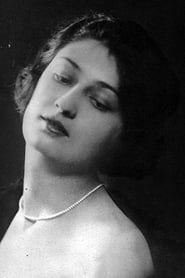
Marcel L'Herbier approached 'El Dorado' with his characteristic attention to visual aesthetics and psychological depth. The production faced the typical challenges of early 1920s filmmaking, including limited technology for location shooting and the need to construct elaborate sets to simulate Spanish locations in French studios. L'Herbier worked closely with his cinematographers to achieve the atmospheric lighting that distinguished his films, using innovative techniques to create contrast between the squalid cabaret scenes and the opulent settings of the Alhambra. The casting of Ève Francis as Sibilla was significant, as she brought not only her acting talent but also her understanding of cinematic art from her work with other directors and her own writing about film. The production team spent considerable effort researching Spanish culture and architecture to create authentic-looking sets and costumes, though inevitably filtered through a French perspective. The film's emotional intensity was achieved through L'Herbier's direction of his actors, emphasizing facial expressions and body language crucial for silent film performance.
What critics said
Retrospective writing on El Dorado stresses craft by Marcel L'Herbier, print survival, and repertory value rather than opening-week gross alone.
Did you know?
- Marcel L'Herbier was part of the French avant-garde film movement of the 1920s, which sought to elevate cinema to an art form.
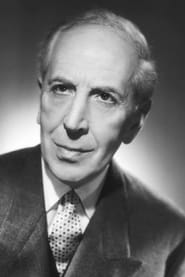
- Ève Francis, who played Sibilla, was not only an actress but also a writer and director, and she was married to the influential filmmaker Louis Delluc.
- Jaque Catelain, who played Estiria, was a frequent collaborator with Marcel L'Herbier, appearing in many of his films during the 1920s.
- The film's title 'El Dorado' refers to the mythical golden city of Spanish legend, symbolizing the unattainable dreams of the characters.
- The Alhambra palace in Granada, a key location in the film, is a real UNESCO World Heritage site known for its Islamic architecture and beautiful gardens.
- Despite being set in Spain, the film was part of the French cinema tradition of exoticizing foreign cultures for domestic audiences.
- The film's themes of social hypocrisy and class division were common in French cinema of the early 1920s, reflecting post-WWI social tensions.
- Marcel L'Herbier would go on to direct more famous films like 'L'Argent' (1928) and 'L'Inhumaine' (1924).
- The film was released during the peak of silent cinema, just before sound technology would revolutionize the industry.
- The character of Sibilla represents the 'fallen woman' archetype common in literature and cinema of the period.
Visual style
The cinematography of 'El Dorado' reflects Marcel L'Herbier's commitment to visual artistry and his influence from the French avant-garde movement. The film employs sophisticated lighting techniques to create atmosphere and emphasize the contrast between the squalid cabaret where Sibilla works and the opulent settings of the Alhambra palace. L'Herbier and his cinematographers used dramatic shadows and highlights to enhance the emotional impact of key scenes, particularly in the blackmail sequence set in the Alhambra. The camera work demonstrates the growing sophistication of silent film cinematography in the early 1920s, with more dynamic camera movements and composition than earlier films. The visual style of 'El Dorado' incorporates elements of impressionism, with attention to the play of light and shadow that creates mood and reinforces the film's emotional themes.
Innovations
'El Dorado' demonstrates several technical achievements typical of the evolving art of cinema in the early 1920s. Marcel L'Herbier employed advanced lighting techniques for the period, creating dramatic contrasts between the film's different settings and using light to emphasize emotional moments. The film's set design, particularly the recreation of the Alhambra palace, represents the sophisticated art direction being developed in French cinema at the time. L'Herbier's use of camera angles and movement shows the growing sophistication of cinematic language, moving beyond the static camera work of earlier films to create more dynamic visual storytelling. The film's editing techniques, including the use of cross-cutting to build tension during key dramatic sequences, reflect the developing understanding of cinematic rhythm and pacing.
Music
As a silent film, 'El Dorado' would have been accompanied by live musical performance during its original theatrical run in 1921. The specific musical score or selections used for the film are not well documented in available sources, which was common for films of this era. Theaters typically employed pianists, organists, or small ensembles to provide musical accompaniment, often using a combination of classical pieces, popular songs, and specially composed music that matched the mood and action on screen. For a dramatic film like 'El Dorado,' the musical accompaniment would likely have included romantic and emotional pieces that enhanced the film's themes of love, desperation, and social conflict. Modern screenings of 'El Dorado' at film archives and special events typically feature newly composed scores or carefully selected period-appropriate music that reflects the film's Spanish setting and emotional content.
What audiences thought
Audience reception of 'El Dorado' in 1921 appears to have been generally favorable, particularly among French cinema-goers who appreciated the growing sophistication of domestic film productions. The film's dramatic storyline and emotional appeal resonated with audiences of the era, who were increasingly drawn to films that addressed social issues and psychological depth. The exotic Spanish setting, even if largely created on French soundstages, provided visual interest and escapism for post-war audiences. The performance of Ève Francis as the struggling mother Sibilla likely generated audience sympathy and emotional engagement, a key factor in silent film reception. While specific box office figures are not available, the film's continued existence and preservation suggest it was at least moderately successful at the time of its release.
Film connections
Influenced by
- French literary tradition of realism and naturalism (Émile Zola)
- Impressionist movement in painting
- French avant-garde film movement
- Post-WWI European cinema's social commentary tradition
- Earlier French and Italian historical epics
- Literary and theatrical tradition of the 'fallen woman' archetype
This film influenced
- L'Argent (1928) by Marcel L'Herbier
- L'Inhumaine
Where to watch
- Internet Archive: https://archive.org/details/eldorado-marcel-l-herbier-1921