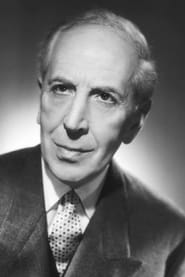
Marcel L'Herbier
Director
Born: April 23, 1888 in Paris, France Died: November 26, 1979 Active: 1917-1959
Films
6 films
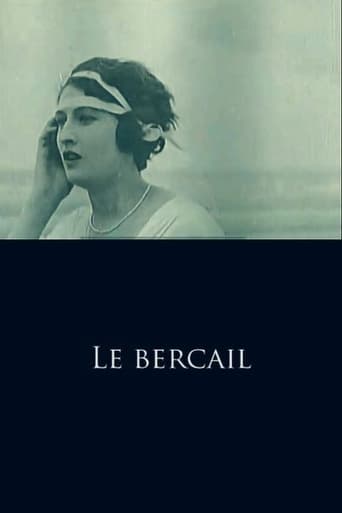
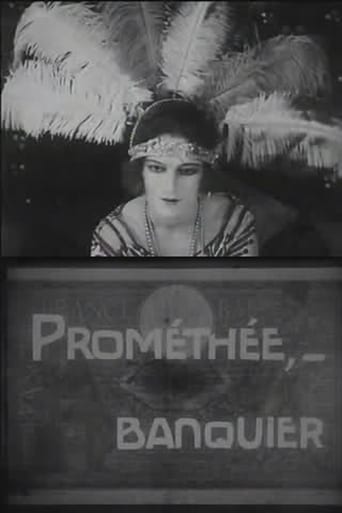
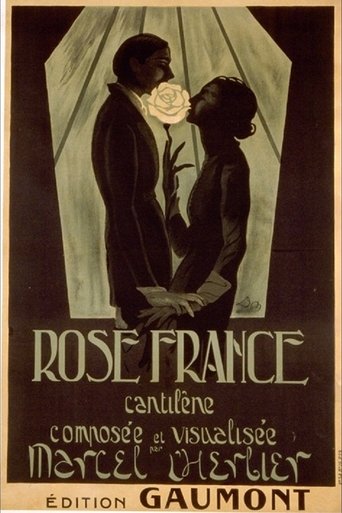
About Marcel L'Herbier
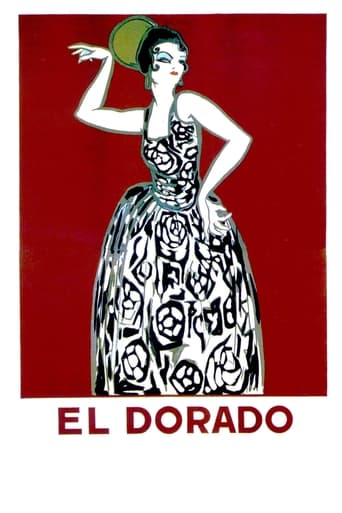
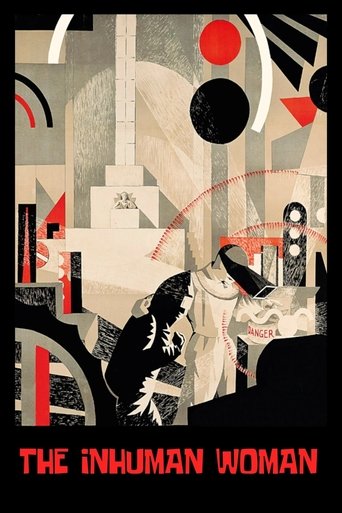
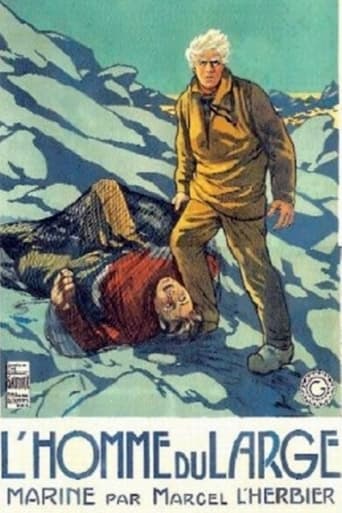
French film director, screenwriter, and producer who emerged as figures in French cinema during the silent era. After studying law and literature, he began his career as a journalist and playwright before transitioning to film during World War I. He founded his own production company, Cinégraphic, in 1919, which allowed him creative independence to pursue his artistic vision. L'Herbier became renowned for his innovative visual style, elaborate set designs, and experimental techniques that pushed the boundaries of cinematic expression. His most acclaimed silent works include 'L'Homme du large' (The Man of the Sea, 1920), 'El Dorado' (1921), and 'L'Inhumaine' (The Inhuman Woman, 1924), which showcased his mastery of visual storytelling and modernist aesthetics. With the advent of sound, he successfully transitioned to talkies, though his later work never achieved the same critical acclaim as his silent masterpieces. He continued directing through the 1950s, eventually retiring to focus on writing about cinema and teaching film history, leaving behind a legacy as one of France's most important early cinematic innovators.
The Craft
Behind the Camera
Marcel L'Herbier was known for his elaborate visual style, innovative camera techniques, and modernist approach to filmmaking. He frequently used complex set designs, optical effects, and experimental editing techniques to create visually stunning and psychologically complex narratives. His work often explored themes of modernity, technology, and human relationships, reflecting the artistic movements of his time including Cubism and Art Deco.
Milestones
- Founded production company Cinégraphic (1919)
- Directed 'L'Homme du large' (1920)
- Created avant-garde masterpiece 'L'Inhumaine' (1924)
- Successfully transitioned to sound films
- Became professor of film history at IDHEC
- Published influential books on cinema theory
Best Known For
Must-See Films
Accolades
Won
- Legion of Honour (Chevalier, 1946)
- Legion of Honour (Officer, 1973)
Nominated
- Venice Film Festival Golden Lion (1937)
Special Recognition
- Commander of the Order of Arts and Letters
- Honorary President of the International Film Festival of Cannes (1959)
Working Relationships
Worked Often With
Studios
Why They Matter
Impact on Culture
Marcel L'Herbier played a crucial role in establishing cinema as a legitimate art form in France during the 1920s. His films helped define the French avant-garde movement and influenced the development of cinematic language worldwide. L'Herbier's innovative techniques in set design, cinematography, and narrative structure pushed the boundaries of what was possible in silent cinema and paved the way for future experimental filmmakers. His work represented a bridge between traditional narrative cinema and the more abstract, artistic approaches that would characterize European art cinema.
Lasting Legacy
L'Herbier's legacy endures through his contributions to film art and his influence on generations of filmmakers. His films are regularly featured in retrospectives at major film festivals and cinematheques worldwide, where they continue to be studied for their technical innovation and artistic merit. As a theorist and educator, he helped establish film studies as an academic discipline, particularly through his work at IDHEC (Institut des hautes études cinématographiques). His writings on cinema theory remain important historical documents for understanding the development of film as an art form.
Who They Inspired
L'Herbier's influence can be seen in the work of subsequent French New Wave directors who admired his independence and artistic vision. His emphasis on visual storytelling and experimental techniques inspired filmmakers like Jean Cocteau, Abel Gance, and later, directors of the French New Wave such as Jean-Luc Godard and François Truffaut. His approach to cinema as a synthesis of all arts influenced the development of the auteur theory and helped establish the director as the primary creative force in filmmaking.
Off Screen
Marcel L'Herbier was married twice and had three children. His first marriage to actress Musidora ended in divorce, and he later married actress Marthe Belliss. He was known for his intellectual pursuits beyond cinema, including literature and philosophy, which influenced his filmmaking approach. L'Herbier was also a passionate advocate for film as an art form and wrote extensively on cinema theory throughout his life.
Education
University of Paris (Law degree), École des Hautes Études Sociales (Literature and Philosophy)
Family
- Musidora (1920-1923)
- Marthe Belliss (1927-1979)
Did You Know?
- Founded the first French film school, IDHEC, in 1943
- His film 'L'Inhumaine' featured sets designed by famous artists including Fernand Léger and Robert Delaunay
- Was a war correspondent during World War I before entering film
- His production company Cinégraphic was one of the first independent film companies in France
- Wrote over 30 books on cinema theory and history
- His film 'El Dorado' was one of the first to use location shooting extensively
- Was a founding member of the Cinémathèque Française
- His early films were heavily influenced by his background in literature and poetry
- Pioneered the use of multiple camera angles and rapid editing in French cinema
- Was friends with many leading artists of the 1920s including Picasso and Cocteau
In Their Own Words
Cinema is not just an industry, it is the seventh art, capable of expressing the deepest human emotions through light and movement.
The camera is not merely a recording device, but a paintbrush with which we can create new worlds and new visions of reality.
In the silence of the image, we find the most powerful language of all - the language of the soul.
Frequently Asked Questions
Who was Marcel L'Herbier?
French on YTB.my. He was known for his innovative visual style and was a leading figure in the French avant-garde movement of the 1920s.
What films is Marcel L'Herbier best known for?
Titles linked here include L'Homme du large (The Man of the Sea, 1920), El Dorado (1921).
When was Marcel L'Herbier born and when did he die?
Born April 23, 1888; died November 26, 1979.
What awards did Marcel L'Herbier win?
L'Herbier was awarded the Legion of Honour as Chevalier in 1946 and later as Officer in 1973. He also received the Commandeur de l'Ordre des Arts et des Lettres for his contributions to French culture and cinema.
What was Marcel L'Herbier's directing style?
L'Herbier's directing style was characterized by elaborate visual compositions, innovative camera techniques, and modernist aesthetics. He frequently used complex set designs, optical effects, and experimental editing to create visually stunning films that explored themes of modernity and human psychology.
Did Marcel L'Herbier work with famous actors?
Yes, L'Herbier worked with many notable actors of his time including Musidora (who was also his first wife), Jaque Catelain, and Eve Francis. He often collaborated with the same actors across multiple films, developing a consistent ensemble for his artistic vision.
How did Marcel L'Herbier influence later filmmakers?
L'Herbier influenced later filmmakers through his emphasis on visual storytelling and his establishment of film as an art form. His work inspired French New Wave directors and helped develop the concept of the auteur theory, establishing the director as the primary creative force in cinema.