
Georges Paulais
Actor
Born: September 16, 1881 in Bordeaux, France Died: December 12, 1970 Active: 1916-1938
Films
1 film
About Georges Paulais
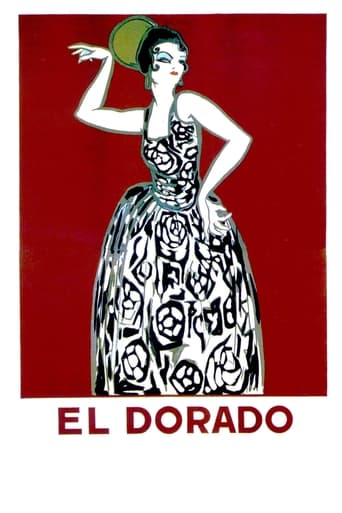
French character actor: the golden age of silent cinema and the early sound era. Born in Bordeaux in 1881, he began his acting career on the theatrical stage before transitioning to film in the 1910s. Paulais became particularly known for his collaborations with French director Marcel L'Herbier, appearing in several of his most ambitious productions. His most notable role was in the 1921 masterpiece 'El Dorado,' where he played a significant character that showcased his ability to convey complex emotions through the subtle techniques required by silent film performance. Throughout the 1920s, he became a familiar face in French cinema, often cast as authority figures, villains, or tragic characters due to his commanding presence and expressive features. Paulais successfully made the transition to sound films in the early 1930s, though his most memorable work remains in the silent era. He continued acting until the late 1930s, appearing in over 80 films throughout his career before retiring from the screen. His contributions to French cinema during its formative years helped establish the foundation for character acting in European film.
The Craft
On Screen
Paulais was known for his highly expressive and theatrical acting style, which was well-suited to the demands of silent cinema. He possessed a remarkable ability to convey complex emotions through subtle facial expressions and body language, making him particularly effective in dramatic roles. His performances often featured exaggerated gestures and intense gazes that could communicate character motivations without dialogue. As sound cinema emerged, he adapted his style to incorporate vocal performance while maintaining his dramatic intensity.
Milestones
- Breakthrough role in Marcel L'Herbier's 'El Dorado' (1921)
- Collaboration with Marcel L'Herbier on multiple avant-garde productions
- Transition from silent to sound films in early 1930s
- Prolific character actor in French cinema with over 80 film appearances
- Notable performance in Abel Gance's 'La Fin du monde' (1931)
Best Known For
Iconic Roles
Must-See Films
Accolades
Special Recognition
- Recognized as a significant contributor to French silent cinema in historical film scholarship
Working Relationships
Worked Often With
Studios
Why They Matter
Impact on Culture
Georges Paulais played a significant role in the development of French cinema during its crucial transition from theatrical traditions to cinematic art. His work with avant-garde directors like Marcel L'Herbier helped establish the vocabulary of film acting in France, demonstrating how theatrical techniques could be adapted for the screen. His performances in landmark films like 'El Dorado' contributed to the international recognition of French cinema as an artistic force in the 1920s. Paulais was part of a generation of actors who helped define the character actor archetype in European film, showing how supporting roles could be essential to a film's artistic success.
Lasting Legacy
Georges Paulais is remembered today as a representative figure of the golden age of French silent cinema. His extensive filmography provides valuable documentation of the evolution of French film acting from theatrical origins to cinematic naturalism. Film historians and scholars studying early French cinema frequently reference his performances as examples of the sophisticated acting techniques developed during the silent era. While he may not be a household name today, his work continues to be studied and appreciated by cinema enthusiasts and academics interested in the foundations of European film art.
Who They Inspired
Paulais influenced subsequent generations of French character actors through his demonstrated ability to adapt theatrical skills to the medium of film. His work with innovative directors helped establish standards for film acting that would influence French cinema for decades. Younger actors studying the transition from silent to sound films could look to his career as a model of adaptability and artistic integrity. His collaborations with avant-garde filmmakers also contributed to the development of more sophisticated approaches to character development in cinema.
Off Screen
Georges Paulais maintained a relatively private personal life away from the public eye. He was born into a middle-class family in Bordeaux and showed an early interest in the performing arts. He received formal training in theatrical acting before transitioning to film. Paulais never married and had no children, dedicating his life primarily to his craft. He spent his later years in Paris, where he lived until his death in 1970 at the age of 89.
Education
Formal theatrical training in Bordeaux, likely at local conservatory or drama school in early 1900s
Did You Know?
- Appeared in over 80 films throughout his career, making him
- Worked extensively with Marcel L'Herbier, one of France's most important early film directors
- Successfully made the transition from silent to sound films, a challenge that ended many careers
- His role in 'El Dorado' was particularly praised by contemporary critics for its emotional depth
- Often typecast as authority figures due to his commanding screen presence
- Began his career on the stage before transitioning to film
- Was part of the first generation of actors who worked exclusively in cinema rather than transitioning from theater
- His performances helped establish the importance of character actors in French cinema
- Lived through the entire evolution of cinema from silent films to early sound productions
- Retired from acting before World War II, missing the major changes in French cinema during the occupation
In Their Own Words
In the silent film, the actor must speak with his eyes and his heart, for the camera sees what words cannot express.
To work with L'Herbier was to understand that film was not merely recorded theater, but an entirely new art form requiring new techniques.
Frequently Asked Questions
Who was Georges Paulais?
French character actor active during the silent era and early sound period, best known for his collaborations with on YTB.my.
What films is Georges Paulais best known for?
Titles linked here include El Dorado (1921), L'Inhumaine (1924).
When was Georges Paulais born and when did he die?
Born September 16, 1881; died December 12, 1970.
What awards did Georges Paulais win?
While Georges Paulais did not receive major formal awards during his career, he is recognized in film history as an important contributor to French silent cinema and character acting.
What was Georges Paulais's acting style?
Paulais was known for his highly expressive theatrical style adapted for silent cinema, using exaggerated gestures and intense facial expressions to convey emotions, which he successfully modified for sound films later in his career.